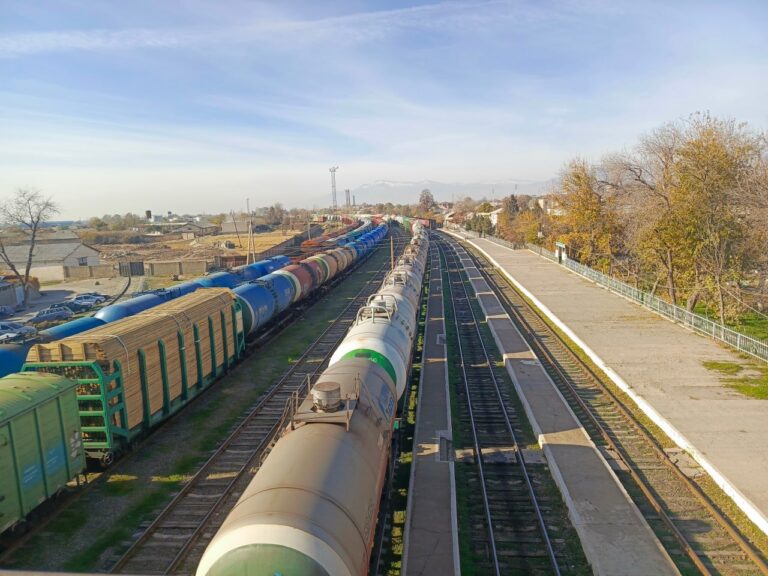
Over the first six months of this year, Tajikistan has imported goods and products worth over U$3.4 billion, while its exports amounted to about US$1 billion, according to the Agency for Statistics under the President of Tajikistan.
This resulted in a negative trade balance of more than US$2.4 billion.
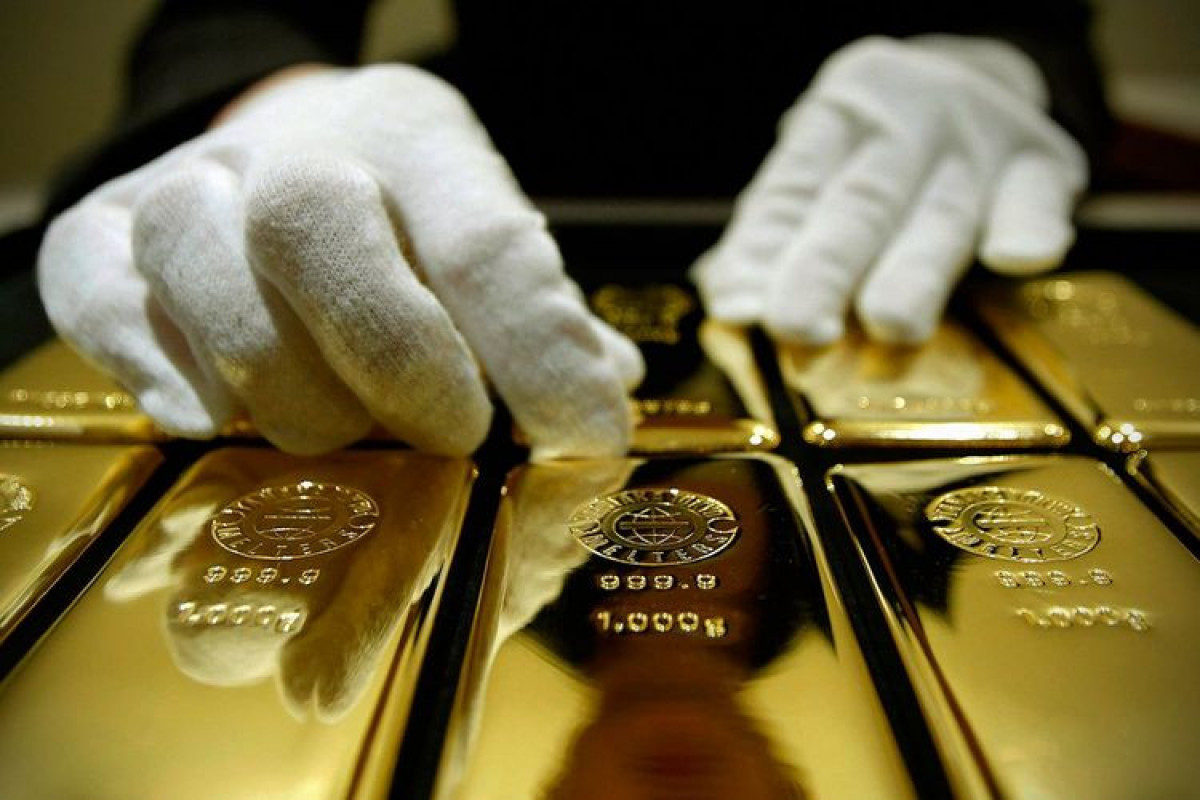
The significant increase in imports was mainly driven by an unprecedented purchase of precious metals amounting to US$343 million.
Approximately 87% of these precious metals were imported in May when global gold prices reached nearly US$2400 per troy ounce.
Notably, in February, when gold prices were just over US$2000 per ounce, Tajikistan exported nearly US$300 million worth of precious metals.
The country’s import structure over the reporting period also included: machinery and equipment ($378 million); vehicles ($327 million); base metals ($316 million)
Over the same six-month period, about 75% of Tajikistan’s exports comprised mineral products (such as electricity, cement, coal, ores, and concentrates) and metals, including precious metals, indicating a reliance on raw materials for export.
The total foreign trade turnover of the country over the first six months of this year has exceeded U$4.4 billion, which is nearly 30% more than in the same period last year.
In January-June this year, Tajikistan had trade relations with 106 countries of the world, including nine CIS nations.
Over the reporting period the main trading partners of Tajikistan were Russia (US$968 million), China (U$877 million), Kazakhstan (US$669 million), and Switzerland (US$640 million)
Conclusion
The widening trade gap highlights the challenges Tajikistan faces in balancing its trade. The heavy reliance on imports, especially in machinery, equipment, and precious metals, against a backdrop of predominantly raw material exports, underscores the need for strategic economic planning to boost export diversification and value-added production. Strengthening trade partnerships and improving domestic production capabilities could be vital steps towards achieving a more balanced trade scenario.