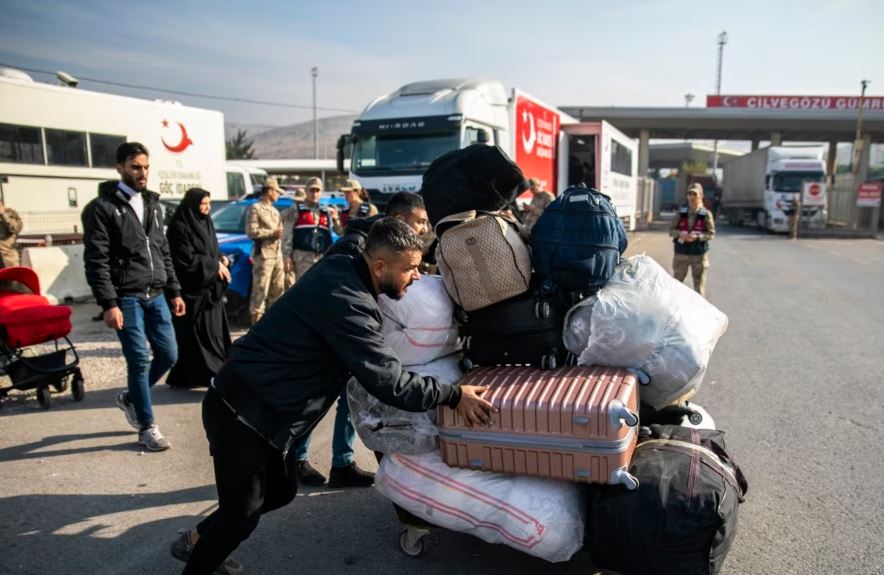
The UN News Center, citing the UN refugee agency (UNHCR), reported on January 2 that “more than 115,000 people have reportedly returned to Syria from countries such as Turkiye, Jordan and Lebanon since December 8 – the fall of the Assad regime.”
The information is reportedly based on public statements by host countries, contacts with immigration services from inside Syria, and border monitoring by the agency and partners.
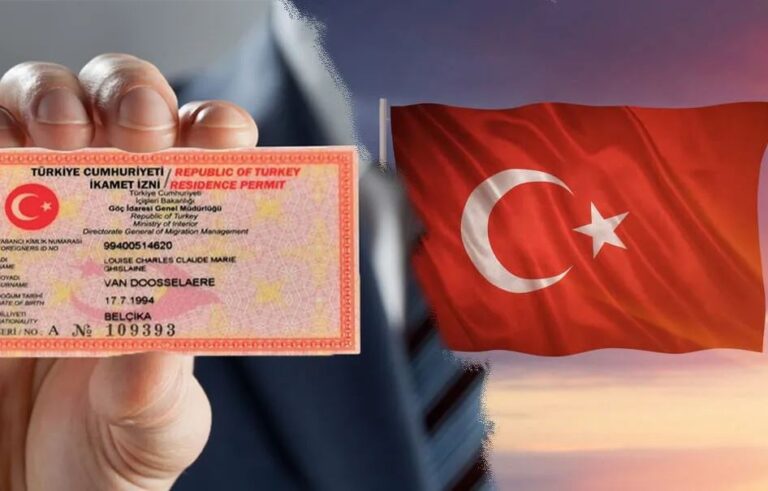
UNHCR said the Turkish Minister of Interior reported that 35,113 Syrians have voluntarily returned home.
For its part, Jordan reportedly noted that more than 22,000 people have entered Syria through its territory, 3,100 of whom were registered refugees.
UNHCR teams noticed a shift in demographics of returnees from Jordan this week, with more women and children returning rather than men travelling alone.
“When interviewed, some families reported that the head of household would stay in Jordan for several more months in order to earn money that will support the family’s re-integration inside Syria before joining them,” UNHCR said.
At the same time, approximately 664,000 people remain newly displaced across Syria, mainly in Idlib and Aleppo governorates. The majority, 75 per cent, are women and children.
Moreover, nearly 486,000 internally displaced persons (IDPs) have returned to their areas of origin, mainly in Hama and Aleppo governorates.
“Prevailing insecurity – including armed clashes, increased criminal activity, and unexploded ordnance – continues to present challenges for civilians and will likely influence the potential decision to return home faced by Syrians living outside the country,” UNHCR said.
Meanwhile, the number of Syrians departing Lebanon through official border crossings reportedly remains “low but steady”.
These journeys are predominantly through the Masnaa crossing and include people who may be making short trips to assess the situation in Syria.
Over the last 10 days, a maximum of 100 to 200 people have been in the no-man's land area at any one time, either being processed to enter Lebanon or going back into Syria, UNHCR said on January 2.
A small number of families who were stranded over the New Year period were assisted by UNHCR and the UN Children’s Fund (UNICEF) while waiting to be processed for entry.
The movement of Syrians through the Peshkabour border crossing with the Kurdistan Region of Iraq has reportedly also continued, reaching approximately 300 to 400 daily.
Most of those making the crossing into Iraq are of Kurdish ethnicity and indicate that they are either coming to the Kurdistan Region temporarily for family visits or using it as a transit point – planning to return to Syria afterwards.
Over the past three weeks, 948 Syrians have permanently returned through official processes, and 105 were refugees registered with UNHCR, according to the UN News Center.