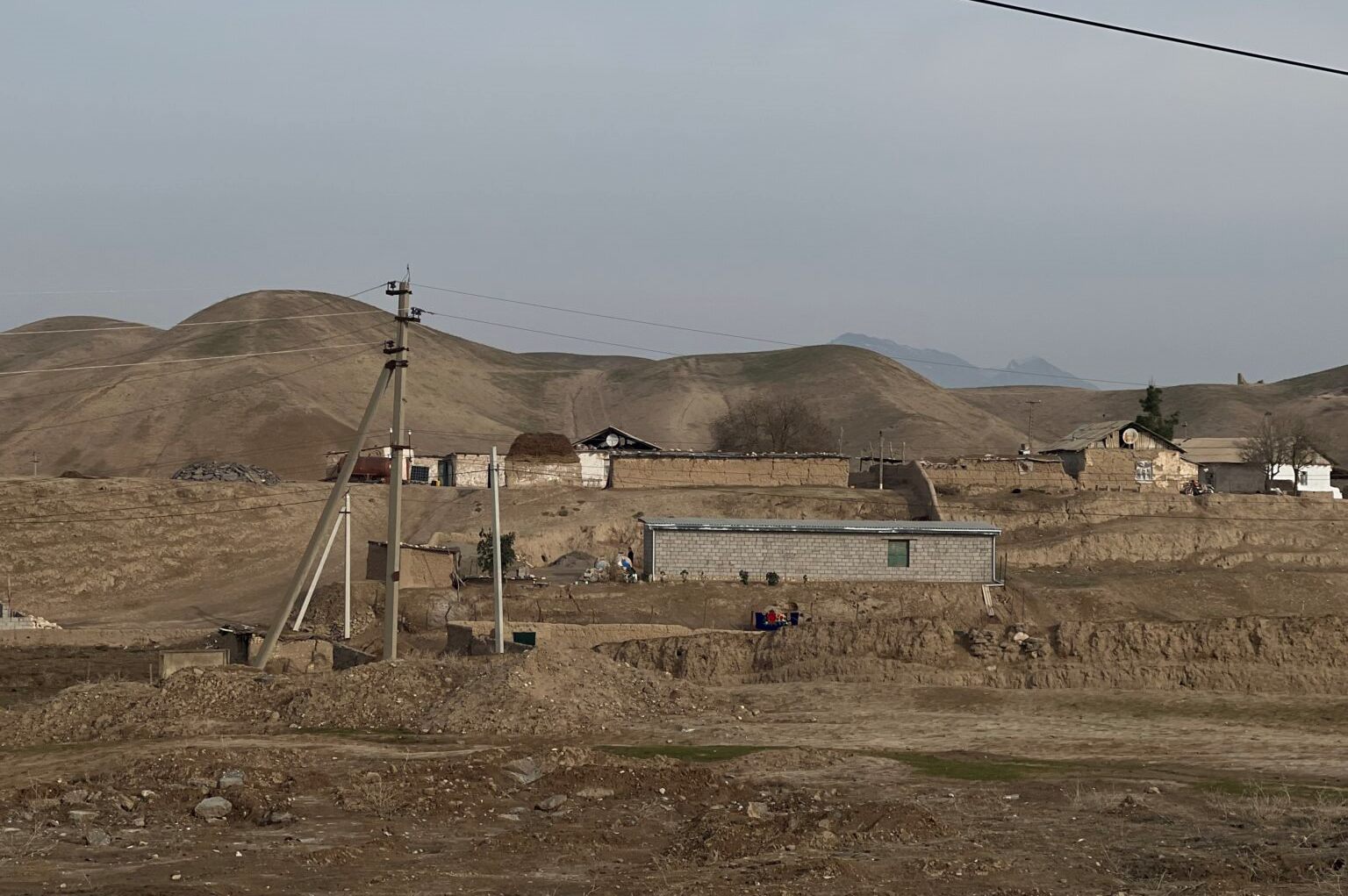
CABAR.asia reports that the water shortage problem in Lolazor village in Vakhsh district of the southern Khatlon province has not been resolved for many years. Lolazor village is located in the piedmont area of Vakhsh district, 140 kilometers south of Dushanbe. This village is part of the Mash’al rural community and is located between three districts of Khatlon province: Vakhsh, Kushoniyon, and Danghara.
Ten years ago, about 40 families lived in Lolazor; now there are 80, and the population is growing every year.
Villagers say that as the population grows, the water shortage problem becomes more acute; there is no water for drinking or agriculture.
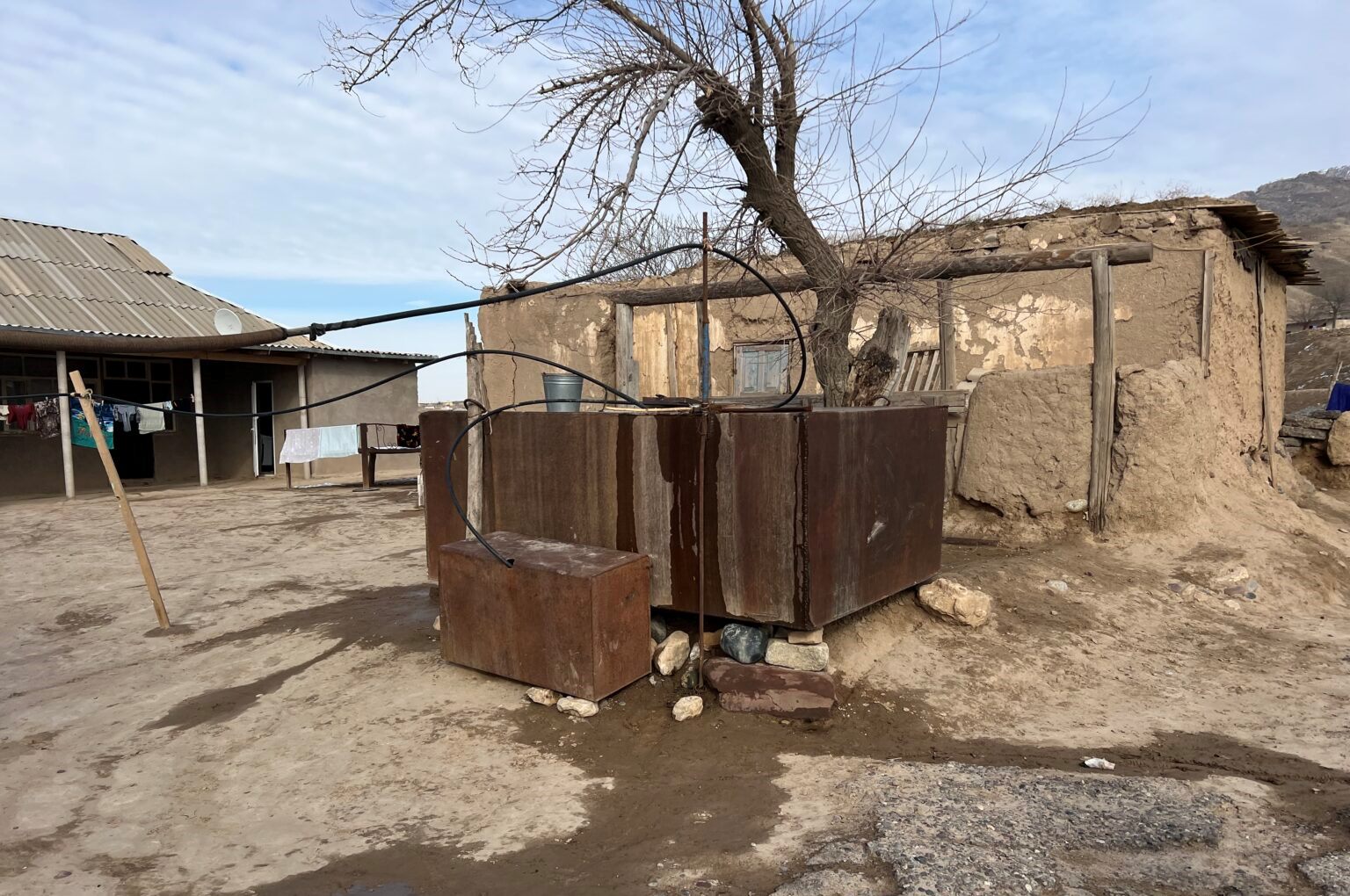
Davlat Ghafourov, a 75-year-old man from the village, told CABAR.asia that they have not had clean water for drinking or washing for years. They collect rain and melt water and buy four tons of clean drinking water for 150 somonis (about US$15).
Villagers reportedly collect water for drinking during the rainy and snowy seasons.
Another resident of Lolazor village, Anvar, said there was water in the village during Soviet times. It came here from the Vakhsh River through water pipes that were laid. But then the pipes became dilapidated and clogged, and no water flows through them.
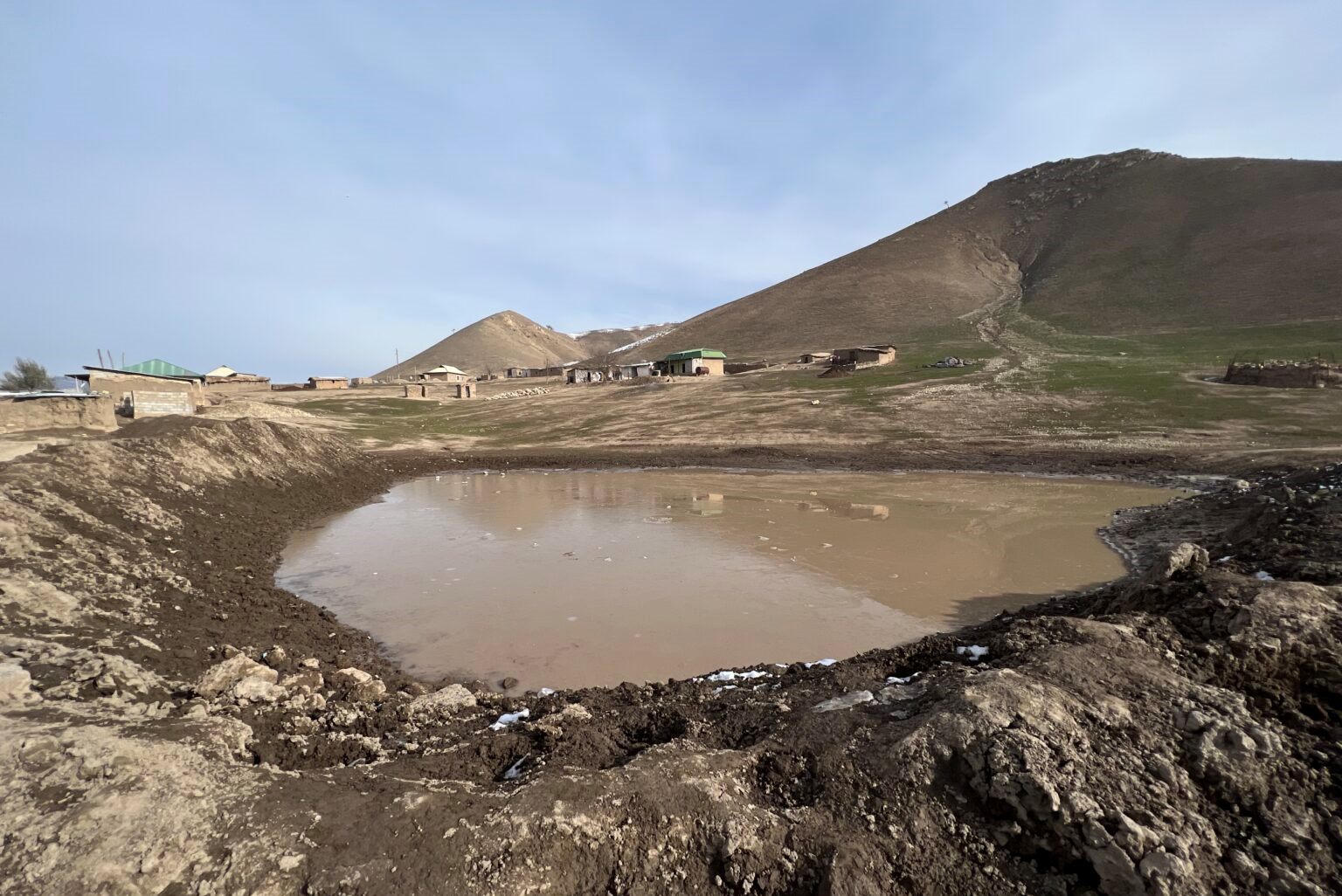
When there is snow and rain, the villagers collect water in pits.
A 67-year-old woman from Lolazor village, Davlatmoh, described how they have to save water because it is almost unavailable here.
“We save on everything, even washing our hands, faces and clothes. If there is no water, we have to buy it. How can you clean yourself properly with bought water? We wash ourselves very quickly, and we don’t wash our clothes very well. We collect melted snow and rainwater in pits, but it is not enough,’ she says.
Davlat Ghafourov said the harvest also depends on the amount of rainfall.
The Khatlon Environmental Protection Department told CABAR.asia that water shortages are a problem in most districts of the province.