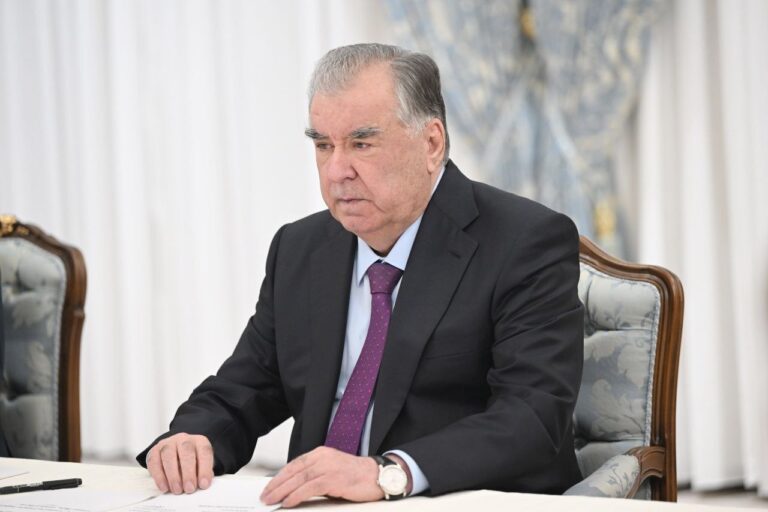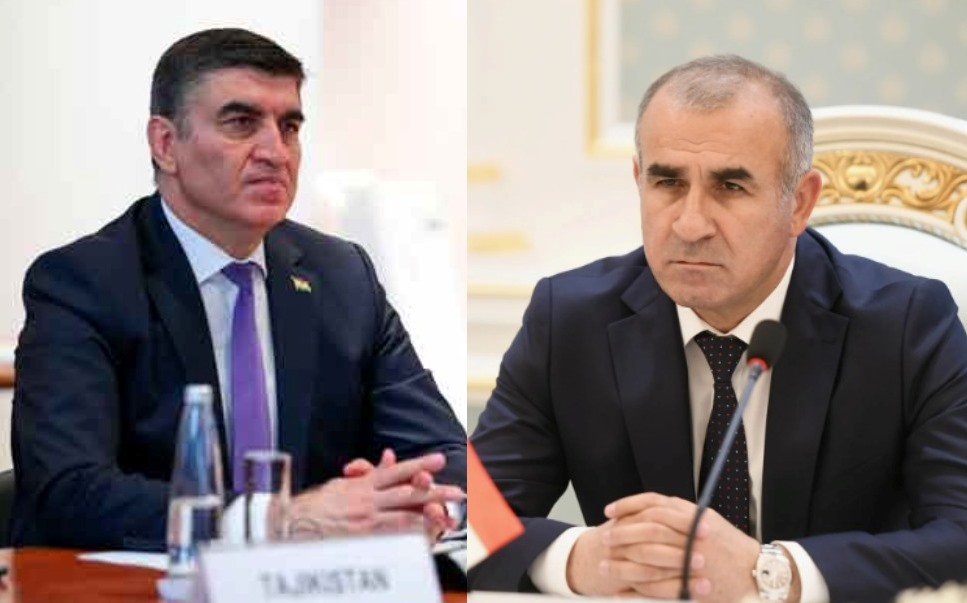
On Thursday January 23, President Emomali Rahmon proposed to the Majlisi Milli (Tajikistan’s upper house of parliament) the dismissal of Yusuf Rahmon as Prosecutor General of Tajikistan and the appointment of Habibullo Vohidzoda to the position.
According to Tajikistan’s Constitution, the Majlisi Milli gives consent to the appointment and relieving of the Procurator General and his deputies.
Currently, Vohidzoda serves as the Deputy Prosecutor-General also the Chief Military Prosecutor of Tajikistan.
Career and background
Habibullo Vohidzoda is a lawyer and public servant whose career spans over 30 years in the country’s law enforcement agencies.
He was born in Farkhor District of Khatlon Province on February 21, 1965. In 1988, he graduated from the Law Faculty of Tajik National University and began his career in the prosecutor’s office.
From 2011 to 2015, Vohidzoda held the position of Deputy Prosecutor General of Tajikistan. However, in 2015, he was removed from the post, along with two other deputies, after criticism from the President during a Security Council meeting.
Despite this setback, his career continued. He served as the Prosecutor of Sughd Province and, in 2020, was appointed Director of the Drug Control Agency (DCA) under the President of Tajikistan. In this role, he actively combated drug-related crimes.
During his tenure at the DCA, Vohidzoda became known for his openness to the media. He regularly participated in press conferences, which are held twice a year, and was willing to answer journalists’ questions.
In 2024, Vohidzoda was appointed Deputy Prosecutor General and Chief Military Prosecutor of Tajikistan.
He is married with one child.
What is the legacy of the current prosecutor-general?
The current Prosecutor General, Yusuf Rahmon, 58, has held the position since January 23, 2015. He is remembered for presiding over one of the least transparent government institutions in Tajikistan.
Under his leadership, the Prosecutor-General’s Office was known for its reluctance to provide information, even during news conferences. Journalists were often required to submit formal written requests, even for basic inquiries.
Responses to these requests were often delayed or vague, making it difficult to obtain accurate and complete information.