Experts from the UN Analytical Support and Sanctions Monitoring Team have estimated that as of late 2024, over 20 terrorist cells were operating in Afghanistan, posing a security threat not only within the country but also to the entire Central Asian region. Fergana news agency says these findings were published in a report on the United Nations website.
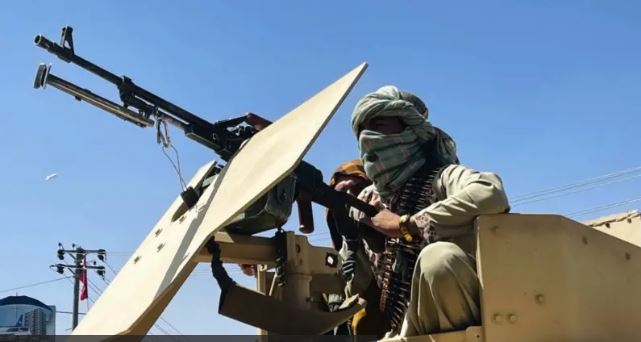
According to the report's authors, the Taliban often assist some of these groups, particularly those linked to the international terrorist network Al-Qaeda, which supports jihadists worldwide. Afghan authorities provide extremists with safe havens and training camps, occasionally offering financial aid and even paramilitary security for the leaders and commanders of certain movements.
The report highlights non-Afghan-origin groups, such as Tehrik-i-Taliban Pakistan (TTP), the Islamic Movement of Uzbekistan, and Jamaat Ansarullah, which consists mainly of ethnic Tajiks.
According to UN experts, in the past year, TTP established militant training centers in the provinces of Kunar, Nangarhar, Khost, and Paktika, actively recruiting new supporters. This enabled the group to carry out 600 attacks, including cross-border operations from Afghanistan. It is noted that Kabul provides financial support to the leader of the Pakistani group, paying him US$43,000 per month.
Jamaat Ansarullah has its own training camps in the Khost and Takhar provinces, where Al-Qaeda engineers and instructors train fighters and suicide bombers, primarily recruits from Arab countries and Central Asian states.
Special attention in the report is given to the extremist organization Islamic State – Khorasan (IS-K). While the Taliban are actively fighting against this group, it continues to operate in Afghanistan.
Analysts cite the assassination of Khalil Ahmad Haqqani, the head of the Ministry of Refugees and Repatriation, who was killed in a suicide bombing, as an example of IS-K’s activities.
During the reporting period, IS-K significantly increased its numbers. This growth was fueled by dissatisfaction among residents of the northern provinces of Badakhshan and Kunduz, predominantly ethnic Tajiks, with Taliban rule. Additionally, farmers affected by the ban on opium poppy cultivation, in retaliation against Afghan authorities, have been providing shelter and various forms of support to militants. The report emphasizes that the group has been relocating more and more recruited fighters to Afghanistan, focusing particularly on citizens of Central Asian republics, especially Tajikistan.
Meanwhile, on February 17, Afghan Interior Ministry official Abdul Matin Qani stated that IS group had been completely suppressed in the country and no longer had a "physical presence" there. He added that ongoing terrorist attacks claimed by IS militants were orchestrated from neighboring countries.