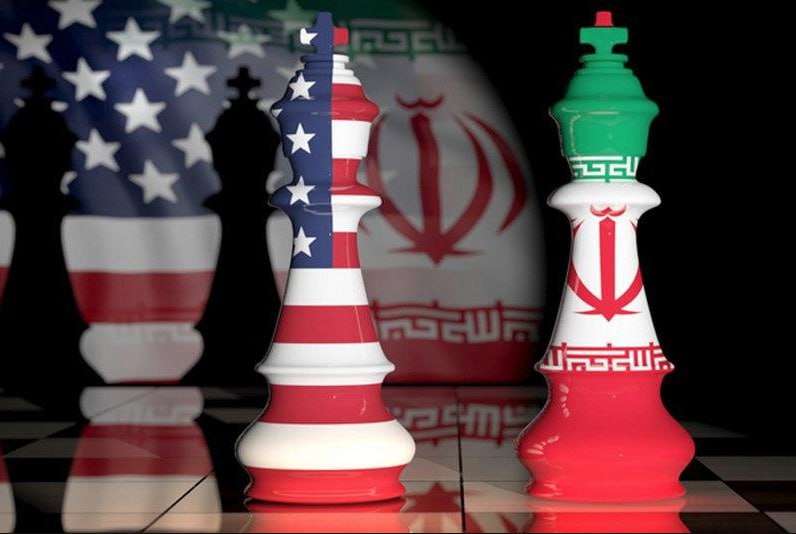
Recently, the top leadership of Iran and the United States have exchanged threats. Trump warned Iran of “unprecedented bombings” if the country does not start negotiations for a new nuclear deal. In response, Iran’s Supreme Leader stated that the country is ready to properly respond to any actions against it. Such political spats between Washington and Tehran will likely continue. Let's try to understand what this might lead to.
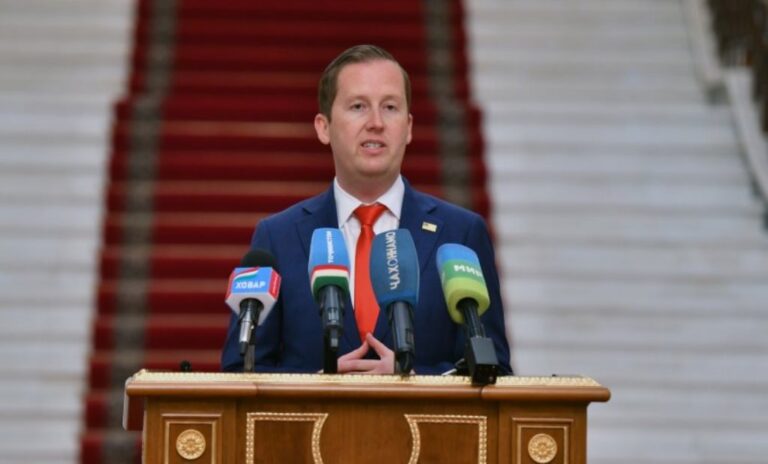
Tajik political scientist Muhammad Shamsuddinov believes that before discussing the possibility of war between the US and Iran, two points need to be considered.
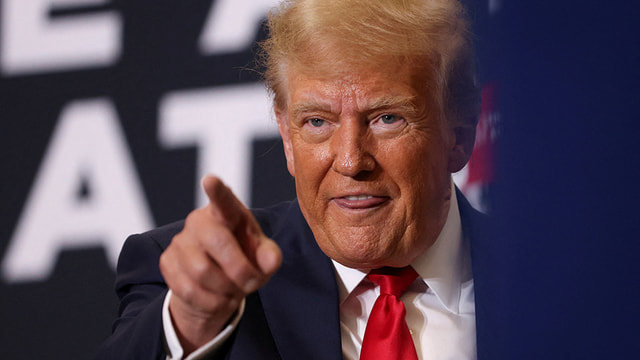
First: The current US president, Donald Trump, has his own method of building relations on the international stage. He begins his actions with sharp rhetoric, “unprecedented” threats, and pressure. This approach is designed to secure concessions for his administration, and sometimes it works.
According to the expert, Trump’s rhetoric and threats are not always grounded in reality.
“Regarding Iran, it can be said that such rhetoric will not be effective. This country is firmly positioned and is ready to escalate relations even with a power like the US in order to defend its interests,” said Shamsuddinov.
Second: Iran is a key player in the security architecture of the Middle East. An intervention against this country could lead to a complete collapse in the already unstable region. The US, being involved in the war in Ukraine and facing the growing power of China in the Asia-Pacific region, especially in the military sphere, is not interested in becoming embroiled in another major conflict that could spread throughout the region and beyond.
For this reason, the expert considers a war between the US and Iran highly unlikely. However, if we hypothetically allow for such a scenario, what consequences could it lead to?
Hypothetical war: clash or restraint?
“In the case of strikes against Iran by the United States, which would undoubtedly be carried out in coordination with Israel, Tehran will begin to strike American targets across the Middle East and Washington’s allies, primarily Israel and the monarchies of the Persian Gulf,” says the political scientist. “In this war, Iran will be supported by its proxies, widespread in the region, including in Iraq, Lebanon, and Yemen.”
Regional destabilization could spread beyond the Middle East and affect neighboring areas, particularly South and Central Asia.
Shamsuddinov notes that the level of radicalism and terrorism around the world would sharply increase, as both sides in such a war would try to utilize the potential of radical groups.
According to him, the global economy could also suffer critically from such a scenario. The hypothetical conflict zone includes critical trade routes, such as the Suez Canal, through which a significant portion of global trade passes daily.
“The war would also lead to a sharp rise in energy prices, as the Strait of Hormuz, one of the key shipping routes for raw materials to the global market, would be blocked in the event of a conflict,” said the expert. “Such a scenario would drastically increase the likelihood of nuclear weapons being used, potentially inflicting colossal damage to the non-use and non-proliferation of weapons of mass destruction on the international stage.”
In these conditions, global stability would drop significantly, and the level of distrust would increase, leading to a critical situation for international security.
“Based on all this, it seems to me that the US and Iran, understanding the risks they would be forced to take, will try to act with restraint. Neither side in the current circumstances is interested in escalating the situation to such a level,” Shamsuddinov concluded.