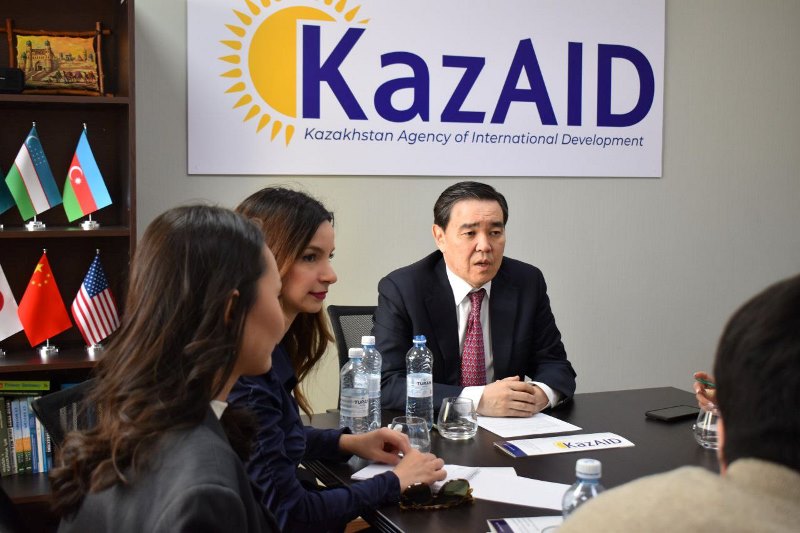
Digitalization in Tajikistan faces a number of challenges, one of which is the lack of qualified specialists in the field of information technology. This was reported by the Chairman of the Board of the Kazakhstani Agency for International Development, KazAID, Arken Arystanov, during a meeting with journalists from Central Asian and Caucasian countries at the 2nd Media Forum in Astana, which took place on April 16–17.
According to him, the shortage of specialists remains one of the main obstacles to digitalization in the region. In this regard, last year, the agency provided Tajikistan with 100 vouchers for IT specialist training. These vouchers are part of the Tech Orda program organized by Astana Hub, aimed at training personnel in online schools.
Arystanov also noted that Tajikistan already has basic digital infrastructure—internet and mobile communication work reliably; however, further progress requires strengthening the technical base and training qualified personnel.
Lack of a unified digital platform – and this hinders development
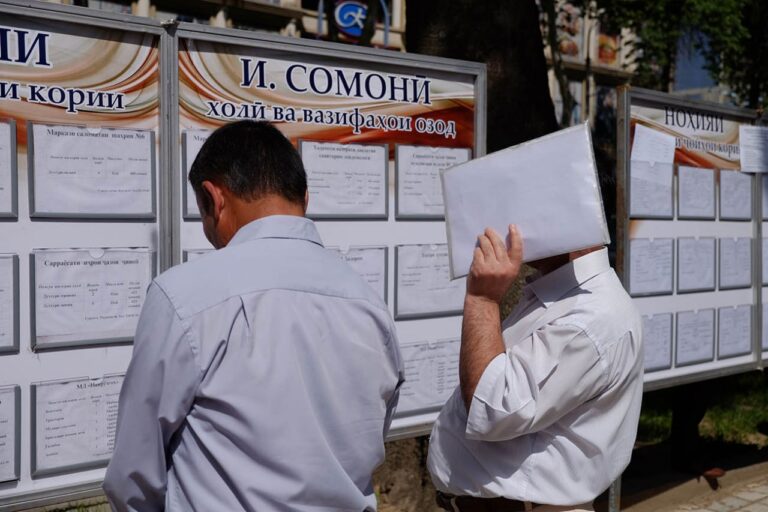
Arken Arystanov pointed out that Tajikistan still does not have a unified digital platform: government agencies operate autonomously, and citizens have to spend a lot of time obtaining certificates and services.
"In Kazakhstan, we have the eGov system. Through it, for example, I can sell or buy a car in 15 minutes—without visiting government agencies. It is also possible to get certificates, enroll a child in school, and check debts," he explained.
According to the KazAID head, the agency suggests that Tajikistan adopt Kazakhstan's experience in implementing a "single window" model for receiving government services.
"This will significantly simplify the process of interacting with government agencies and save citizens' time," Arystanov emphasized.
According to the United Nations E-Government Development Index (EGDI) for 2024, Tajikistan ranks 123rd out of 193 countries, with a score of 0.56. This is below the global average of 0.64 and places the country at the bottom of the Central Asian countries list. Kazakhstan ranks 24th (EGDI score 0.90). Uzbekistan ranks 63rd (0.80), Kyrgyzstan 78th (0.73), and Russia 43rd (0.85).
What projects has KazAID already implemented in Tajikistan?
KazAID is actively implementing various projects involving Tajikistan, covering several areas from education and healthcare to digitalization:
- In 2023, the agency held a two-day seminar for instructors at the Tajik State Medical University named after Sino. The seminar aimed to present and discuss effective strategies and methods for developing and implementing an internal quality assurance system, as well as ways to promote universities in the global QS rankings.
- In 2023, Kazakhstan transferred e-government software (eGov) to Tajikistan. This helped improve digitalization processes in Tajikistan and increased the effectiveness of interaction with citizens.
- In 2024, in addition to providing 100 vouchers for IT specialist training under the Tech Orda program, Tajikistani representatives participated in several key initiatives: the Dostyk: Digitalization and Dostyk: Diplomacy programs, which focus on improving cooperation in digital technologies and diplomacy; Avicenna: Healthcare – a program for medical university students and professors. Within this program, students from Tajikistan received training at Astana Medical University. Tajikistan also participated in seminars organized with the participation of the Turkish agency TIKA.
- In 2025, KazAID will continue its activities in Tajikistan. The following events are already planned: in May, Tajik experts will participate in a forum dedicated to transboundary waters; in August, the digital program "Dostyk: Digitalization" will continue; in the fall, new sessions of the "Avicenna: Healthcare" project will be held.
According to Arken Arystanov, the agency aims not only to launch individual initiatives but also to build sustainable partnerships that will ensure long-term results.
“We are ready to share our experience and continue developing cooperation with Tajikistan,” he concluded.