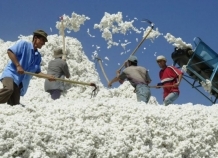
The European Union is helping Tajikistan transition to a green economy, opening up opportunities for sustainable agricultural and cotton industry development. This initiative is part of the country’s strategy to meet global demand for eco-friendly cotton and tackle challenges in the sector.
Growing demand for eco-friendly cotton and industry challenges
The global demand for cotton textiles is increasing, particularly as consumers seek eco-friendly products. The cotton industry faces sustainability challenges, including environmental damage from excessive water use and pesticide pollution, as well as social issues like forced labor and unfair trade practices.
To meet these challenges, the EU has allocated €19.88 million to support Tajikistan’s green transition, focusing on sustainable cotton production and processing. This funding will promote digital technologies, small business growth, and innovation, enhancing the cotton value chain in the face of climate change and water shortages.
National strategy and EU’s role
Tajikistan’s National Strategy for Cotton Production (2024-2040) aims to enhance production, introduce modern technologies, and streamline regulations. The EU’s financial support is crucial in creating a sustainable, fair market for cotton and fostering eco-friendly production practices.
Sustainability in the cotton supply chain
Forced labor remains a significant issue in organic cotton production, particularly in Tajikistan. Local authorities sometimes impose quotas that harm farmers, leading to the involvement of schoolchildren in harvesting. To meet international standards, companies must ensure transparency using technologies like blockchain.
Environmental impact and climate change
Cotton farming has a high environmental cost, consuming vast amounts of water and pesticides. Shifting to organic farming methods and adopting standards like GOTS can help reduce environmental damage. Climate change, including droughts and temperature fluctuations, also affects cotton production, necessitating the development of heat-resistant varieties and modern irrigation.
Technological innovations and sustainability
Technological innovations, such as blockchain and precision farming, are essential for sustainable cotton production. These tools improve efficiency and reduce environmental harm, while the development of alternative materials and eco-friendly dyeing techniques is gaining traction.
BCI experience: lessons learned
The Better Cotton Initiative (BCI) program in Tajikistan has highlighted the importance of fair market practices. However, some farmers have complained about the lack of price differentiation between organic and conventional cotton. Addressing these issues requires active involvement from project partners and regulatory bodies.
The path forward for Tajikistan
For a successful green transition, Tajikistan must establish partnerships throughout the cotton value chain, identify new markets, promote organic cotton certification, and invest in processing and logistics. With a focused, fair approach, Tajikistan can become a regional leader in sustainable cotton farming.