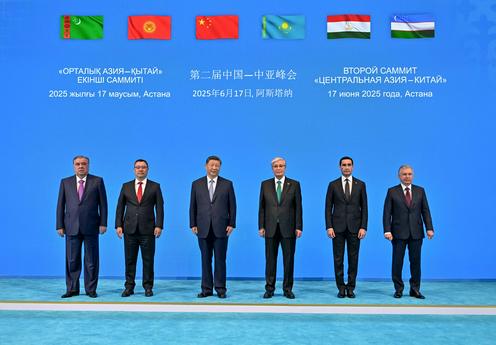
China reinforced its regional influence during the second China–Central Asia summit in Kazakhstan, where leaders from six countries signed a historic Treaty of Eternal Friendship and Cooperation.
Chinese President Xi Jinping met individually with the presidents of Kazakhstan, Kyrgyzstan, Tajikistan, Turkmenistan, and Uzbekistan, advancing Beijing’s Belt and Road Initiative (BRI) through over US$24 billion in investment deals and 24 intergovernmental agreements in energy, customs, science, and agriculture.
Kazakhstan emerged as a key logistics hub, handling 85% of over 211,000 Chinese containers transiting to Europe in 2024. President Tokayev proposed a joint freight terminal at the Caspian port of Kuryk and future nuclear cooperation with China.
Uzbekistan called for an “Electronic Silk Road”, a regional certification center, and a new development fund to address Central Asia’s massive infrastructure needs.
Kyrgyz President Sadyr Japarov outlined six areas for strategic partnership: transport, energy, finance, e-commerce, science, education, tourism, and security.
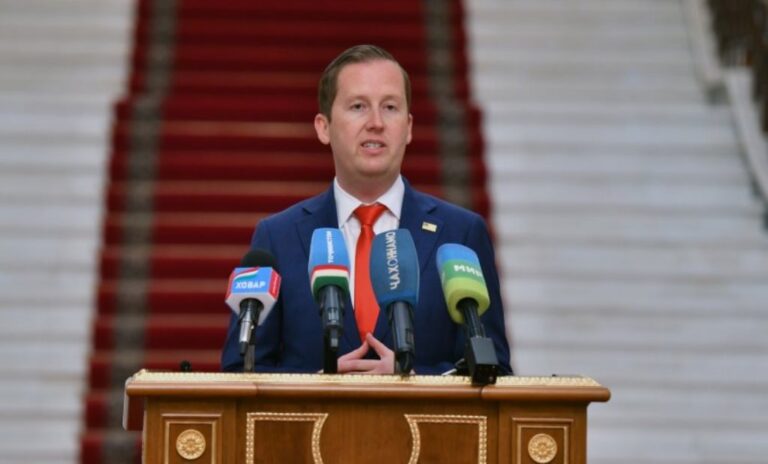
Tajik President Emomali Rahmon prioritized green energy, critical minerals, industrial development, transportation, agriculture, and advocated for furthering the Dushanbe Glacier Preservation Process.
Turkmenistan offered to expand gas exports and collaborate on AI and space research.
Xi pledged a ¥1.5 billion (US$209 million) grant and 3,000 educational scholarships for the region, and stressed China’s opposition to “protectionism and hegemonism” amid rising global tensions.
Analysts note China’s deepening partnerships contrast with the West’s relatively recent regional focus, leaving Central Asian nations balancing opportunities with rising geopolitical risks.
“An Eternal Partnership”: What China offers to Central Asia
DUSHANBE, June 24, 2025 – Asia-Plus — At the heart of China’s ever-expanding regional strategy lies a key objective: to firmly integrate Central Asia into its grand Belt and Road Initiative (BRI). That ambition was on full display during the second “China–Central Asia” summit, hosted in Kazakhstan’s capital last week and attended by the leaders of six nations: Kazakhstan, Kyrgyzstan, Tajikistan, Turkmenistan, Uzbekistan, and China.
A landmark treaty for an enduring alliance
The summit culminated in the signing of a landmark Treaty of Eternal Friendship, Good Neighborliness, and Cooperation — the first legally binding international agreement jointly signed by all six participating heads of state. Chinese President Xi Jinping’s visit to Astana on June 16 was met with full honors, including a military guard, schoolchildren waving flags, and a warm welcome from Kazakh President Kassym-Jomart Tokayev.
Tokayev praised China as a “good neighbor, close friend, and reliable partner,” underscoring the strength of bilateral ties. “China has never imposed political conditions on Kazakhstan,” he emphasized, commending Beijing for its consistent support of Kazakhstan’s sovereignty and security.
President Xi, for his part, described relations with Kazakhstan as having withstood global turbulence, noting that their “community of shared destiny” continues to gain strategic depth.
Diplomatic outcomes and business deals
Following bilateral talks, China and Kazakhstan signed 24 agreements across sectors such as energy, customs, agriculture, medicine, and science. Concurrently, the second China–Central Asia Industrial and Investment Cooperation Forum concluded with 58 commercial and investment deals worth over $24 billion.
On June 17, Xi sat down with all five Central Asian leaders to map the next phase of China’s engagement with the region. Each president outlined national priorities:
Uzbek President Shavkat Mirziyoyev proposed:
- An “Electronic Silk Road” multilateral trading platform
- A regional center in Tashkent for certifying exports to Chinese standards
- An “Industrial and Infrastructure Belt” integrating technoparks and logistics hubs
- A Central Asia–China Development Fund to tackle an estimated infrastructure investment gap in the hundreds of billions of dollars
- Joint ventures in AI and digital infrastructure, including a new fiber-optic “Digital Route”
Kazakh President Tokayev stressed:
- Central Asia’s growing role as a logistics bridge between China and Europe — with 211,000 Chinese containers already transiting the region in 2024, 85% via Kazakhstan
- Plans for a joint freight terminal in the Caspian port of Kuryk
- Cooperation in nuclear energy, including a possible second nuclear plant with China’s CNNC
Kyrgyz President Sadyr Japarov outlined six areas for strategic partnership: transport, energy, finance, e-commerce, science, education, tourism, and security.
Tajik President Emomali Rahmon prioritized green energy, critical minerals, industrial development, transportation, agriculture, and advocated for furthering the Dushanbe Glacier Preservation Process.
Turkmen President Serdar Berdimuhamedov proposed:
- Diversifying gas exports to China
- Expanding electricity deliveries
- New AI and space research collaborations
- Reviving the Great Silk Road as a transport framework
Xi Jinping echoed these themes, calling for enhanced regional cooperation in defense, security, counter-terrorism, and joint infrastructure development under the BRI. The summit concluded with the Astana Declaration and the formal Treaty of Eternal Friendship — reaffirming commitments to non-aggression, peaceful conflict resolution, and respect for territorial integrity.
China’s regional vision—and the geopolitical stakes
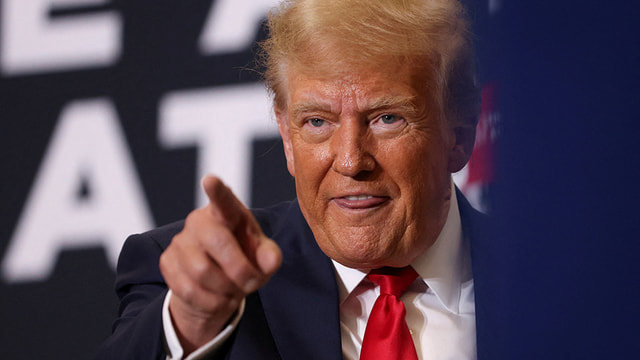
President Xi pledged a ¥1.5 billion (approx. $209 million) grant to support key Central Asian projects and announced 3,000 education scholarships in China for in-demand professions. The summit coincided with a G7 meeting in Canada, where then-U.S. President Donald Trump suggested including China in the group. Beijing rebuffed the proposal, emphasizing mutual respect over Western “instructions.”
While the G7 turns a belated eye to the region, China’s influence here is both historical and deeply strategic. Analysts view the region as a buffer and potential ally for Beijing amid growing tensions with the U.S. “Beijing is preparing defensive strategies to safeguard its economy against any future conflict with Washington,” said Kate Mallinson of PRISM Strategic Intelligence.
Central Asian countries are meanwhile navigating this web of global interests. Political analyst Daniyar Ashimbayev noted that for nations like Kazakhstan, ties with China now outweigh those with the G7. Still, Russia—historically the region’s dominant partner—continues to watch Beijing’s growing clout, albeit without open alarm.
A double-edged sword?
Economist Dosym Satpayev warned of the risks: “Any escalation between the U.S. and China will directly affect Central Asia. If Trump or another leader demands more loyalty to the U.S. over China — or imposes sanctions — countries like Kazakhstan will be caught in a very difficult position.”
The next three years, he predicts, will test the region’s diplomatic agility like never before.