September 1, 2025, was the deadline set by city authorities for a full transition to electric public transport in Tajikistan’s capital — including taxis. However, despite substantial progress, the goal remains unmet. That’s according to an official response from Deputy Mayor Rahmiddin Salomzoda, provided to Asia-Plus.
The plan, approved under Mayor's decree No. 362 in June 2024, was hailed as a bold environmental initiative aimed at transforming the capital’s transit system. While the deadline has passed, the city has made considerable strides in implementing the transition.
What has been achieved so far?
According to the Dushanbe Mayor’s Office:
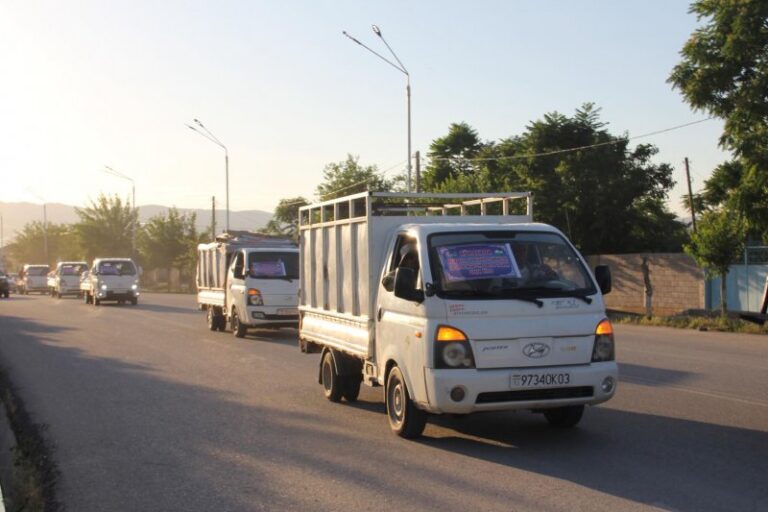
- 11,640 electric taxis are already in service out of a planned 12,000. Taxi companies that failed to comply with the electric transition requirement were removed from the official city registry.
- 112 charging stations have been installed at taxi depots.
- Under the "Green City" project, 738 public street charging points are planned. So far, 286 have been activated, with capacity to charge 572 vehicles simultaneously.
- Since 2023, Dushanbe has hosted domestic electric bus production through the joint venture Akia Avesto Automotive Industry.
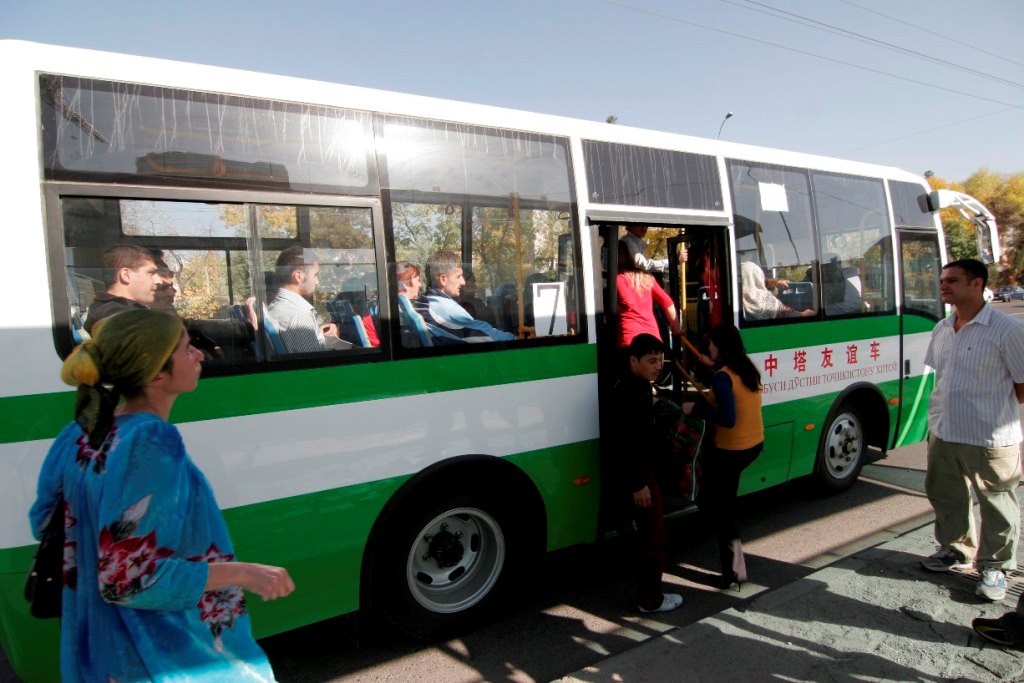
- 60 e-buses have been delivered to the municipal fleet and are currently operating on routes No. 3, 8, and 18.
- A contract has been signed for an additional 30 e-buses, and their charging infrastructure is already in place.
What comes next?
The transition is ongoing under the 2023–2028 National Electric Transport Development Program approved by the government. Key priorities include:
- Expanding the public charging network;
- Increasing local production of electric vehicles;
- Further procurement of electric buses;
- Advancing “Smart City” and “Green City” initiatives.
Officials acknowledge that transitioning an entire city to electric transport is a complex, multi-phase undertaking — particularly under tight budget constraints and infrastructure limitations. While the city has made visible progress, including modernizing its taxi fleet and launching e-bus manufacturing, key questions remain unanswered: What challenges delayed the full transition? Will new deadlines be set? And what are the next milestones?
For now, Dushanbe continues to move forward, albeit more slowly than originally promised.