Tajikistan’s upper chamber (Majlisi Milli) of parliament yesterday approved a series of high-level judicial appointments and dismissals proposed by President Emomali Rahmon, marking significant changes in the country's judicial system.
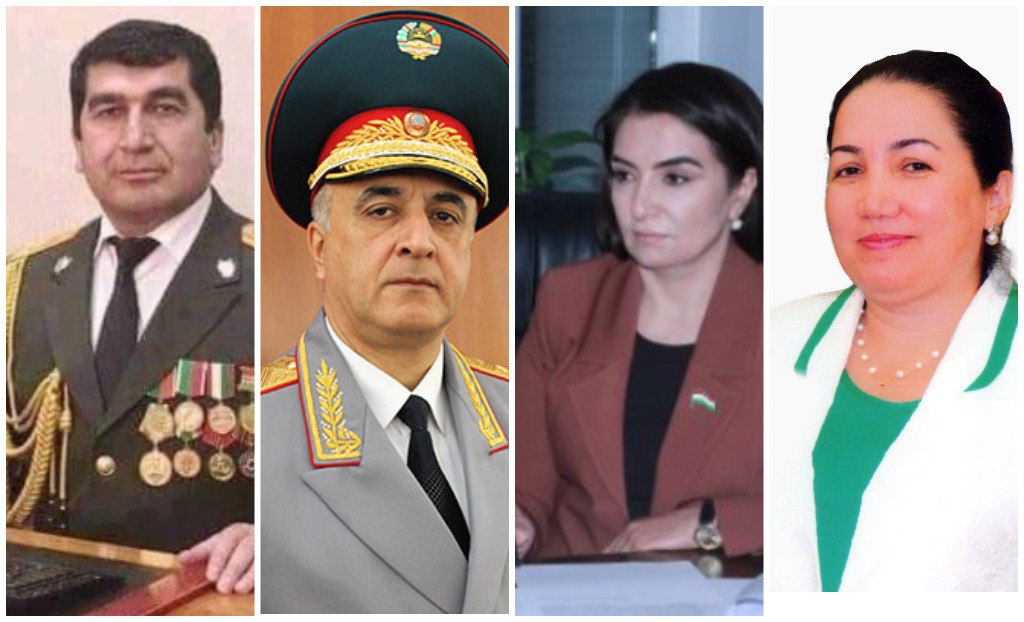
One of the key changes includes the dismissal of Karim Karimzoda from his role as Deputy Chair of the Constitutional Court, a position he had held since 2015. The official reason cited for his departure was reaching the mandatory retirement age for judges. He is being replaced by Ms, Dilorom Abdurahimzoda.
Born in 1970 in the city of Kulob, Abdurahimzoda began her legal career as a court session secretary in the Kulob Regional Court before rising through the ranks. From 1995 to 2000, she served as a judge in the Kulob city court and from 2000 to 2007, she worked in Shohmansour district court in Dushanbe. She later held the position of Deputy Chair of the Firdavsi district court in Dushanbe and was appointed to the Constitutional Court in 2018.
In the Supreme Court, five judges—Alifmo Khushmamadzoda, Nasiba Jurazoda, Mavjuda Pulodi, Shahlo Vahobzoda, and Mahmadjon Oymakhmadzoda—have been relieved of their duties. The first three reached the mandatory retirement age, while the latter two completed their terms.
Their replacements are Mavloudakhon Mirzozoda, Hussein Barotzoda, Jaloliddin Azizi, Manouchehr Mirzozoda, and Khisrav Rahimzoda.
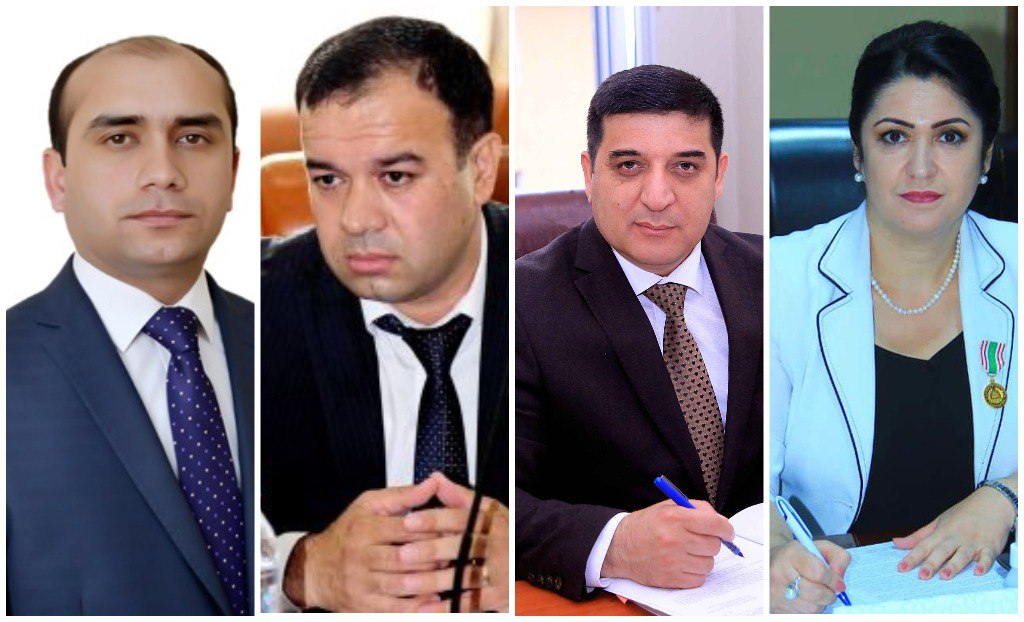
Ms. Mirzozoda served as a judge in Bobojon-Ghafurov district of Sughd province from 2005 to 2011 and later in the Sughd Regional Court. She has also been elected to parliament twice. Barotzoda previously chaired the Rasht district court for the past eight years.
Azizi worked as a judge in the Supreme Economic Court until 2022 and more recently in the Economic Court of Khatlon Province. Manouchehr Mirzozoda served in the courts of Rushan district in the Gorno-Badakhshan Autonomous Region (GBAO) and Roudaki district for seven years. Rahimzoda, formerly a judge in Khujand and the Economic Court of Dushanbe, held a judgeship in the Supreme Economic Court for the past six years.
Ms. Parvina Rajabzoda was also released from her position as judge of the Supreme Economic Court due to the expiration of her term, but was immediately reappointed to the same role.
At the same time, Khisrav Rahimzoda and Bakhtiyor Naimzoda were relieved of their posts in the Supreme Economic Court.
In another major personnel shift, Saidali Rahmonzoda, formerly Deputy Chair of the Supreme Court and head of its Military Board, has been appointed First Deputy Chair of the Supreme Economic Court.
Replacing him is Hotam Rajabzoda, who had previously chaired the Dushanbe Military Court and the Roudaki District Court, now steps into the role of Deputy Chair of the Supreme Court and head of the Military Board.
In another appointment, Muhammadjon Sohibzoda has joined the Constitutional Court as a judge. He was previously serving as First Deputy Director of the National Center for Legislation, a post he held since 2020.
These changes follow a series of presidential decrees issued in March this year, which also included reshuffling the heads of courts in GBAO and various districts and cities across Khatlon and Sughd provinces, Dushanbe, and areas under direct republican authority.
In meetings with the newly appointed judicial officials, President Rahmon emphasized the need to address systemic shortcomings, ensure timely case reviews, uphold the rule of law, and improve judicial fairness. He also stressed the importance of foreign language training among the judiciary.
The president has previously issued strong criticisms of the judiciary, even dismissing some judges for actions deemed damaging to the honor and dignity of the profession. Several judges have also faced disciplinary action in recent years.
Tajikistan currently has over 400 judges, all of whom are appointed and dismissed by presidential decree.