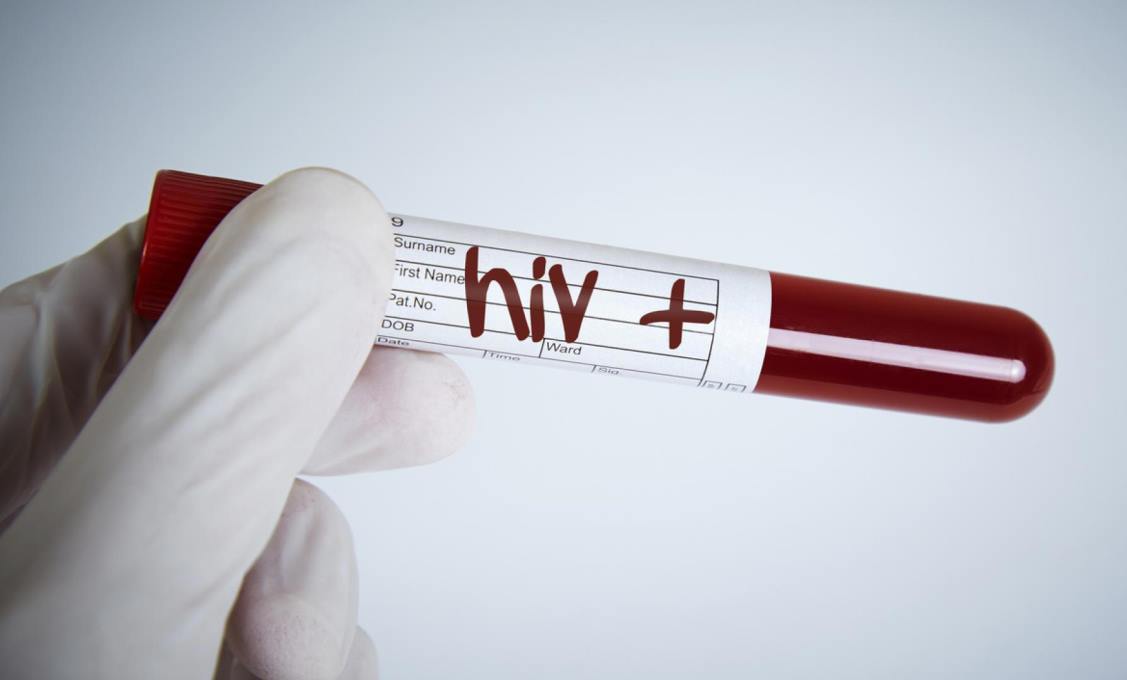
On December 1, the world observes World AIDS Day — a global event aimed at raising awareness about HIV/AIDS and demonstrating international solidarity in the face of the pandemic.
According to the Republican AIDS Center, as of September 30, 2025, Tajikistan has registered 13,045 people living with HIV. Among them, 993 are minors under the age of 18. Adult men account for the majority of cases — 7,017, compared to 5,035 women.
The center notes that the number of new HIV cases in the country has remained stable over the past three years: 1,037 cases were registered in 2022, 1,100 in 2023, and 1,002 in 2024.
The main mode of HIV transmission continues to be sexual contact, with heterosexual relations accounting for around 90% of all new cases.
HIV (human immunodeficiency virus) attacks the immune system. In the early stages of infection, most people experience no symptoms, though some may develop flu-like illness a few weeks after exposure. Without treatment, HIV progresses to AIDS — a late-stage condition in which the body is no longer able to fight off infections and diseases.
Most HIV patients receive free antiretroviral therapy
As of late September 2025, 11,915 people living with HIV in Tajikistan were receiving antiretroviral therapy (ART), covering 91.3% of all registered cases. Among children, coverage is even higher — 974 minors (98.1%) are on ART.
HIV treatment has been available free of charge in Tajikistan since 2006 and is accessible to all patients, including foreigners, refugees, and stateless individuals.
Mother-to-child HIV prevention strengthened
The Republican AIDS Center also highlighted the country’s program for preventing mother-to-child transmission of HIV. All services under the program are provided at no cost. HIV-positive women, including pregnant women, are placed on lifelong ART, which almost entirely eliminates the risk of passing the virus to the child. Newborns receive preventive antiretroviral medications, and infant formula is provided for free when necessary.
In addition, children living with HIV receive state social assistance. Since 2011, minors under 16 have been eligible for a monthly benefit, which amounts to 525 somonis as of 2025.
The AIDS Center emphasizes that all government programs for HIV treatment, prevention, and social support continue to be implemented in full.