
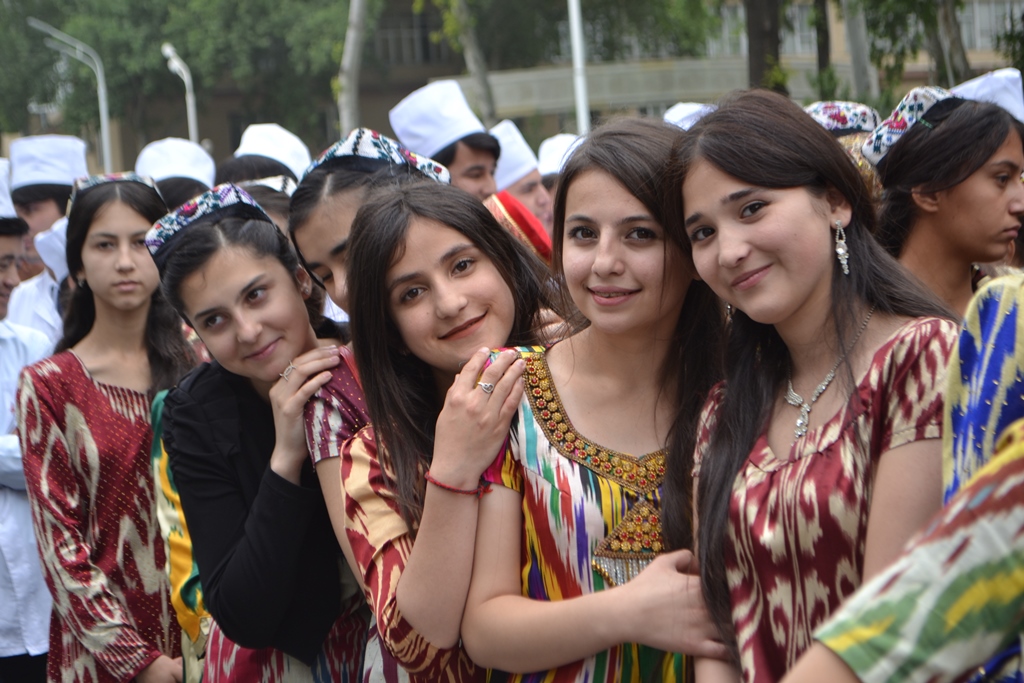
In his address to the parliament on December 16, Tajikistan’s President Emomali Rahmon once again expressed concern about the wearing of "alien clothing" in the country. He emphasized the importance of preserving cultural traditions, particularly regarding national dress, which is an integral part of Tajik identity.
"Don’t forget about the culture of dress, about how we, Tajiks, dress when we visit the homes of the deceased or go to visit someone," the president remarked.
He added that it is important to observe traditional dress codes in various aspects of life, including visiting mosques, going on Hajj, and studying at universities and madrasas.
Rahmon noted that the capital city is the "face" of the country, and its appearance directly affects how the nation is perceived by others. In this context, he urged citizens to be modest and to respect the values of their national culture.
"Wherever you go – to the mosque, on Hajj, to university, or to a madrasa – you must strictly adhere to national dress," the president emphasized.
Law on regulating traditions and the ban on "alien clothing"
As remainder, a legislative ban on the “import, sale, promotion, and wearing in public places of clothing alien to the national culture” was introduced in the country in May 2024 through amendments to the law “On the Regulation of Traditions, Celebrations, and Rites in the Republic of Tajikistan” (Article 18).
The law banning “alien garments” mostly targets the hijab, or Islamic head scarf, and other traditional items of Islamic clothing, which started coming to Tajikistan in recent years from the Middle East and the country’s officials have associated them with Islamic extremists.
According to the new law, fines are imposed for non-compliance with these regulations. However, it has not yet been specified which types of clothing are considered "alien to national culture" and are prohibited from sale and wearing. These provisions have sparked public debate and controversy, particularly regarding the wearing of hijabs. Some citizens complain that authorities stop women wearing hijabs on the streets and demand that they either remove them or wear them as a national headscarf.
Opinion of Tajikistan’s grand mufti
The Grand Mufti of Tajikistan, Saidmukarram Abdulqodirzoda, supported the bill that bans the "import, sale, and wearing of clothing alien to national culture." On Tajikistan TV, he explained Islamic norms, emphasizing that the Tajik people, like Arab nations, have their own distinctive clothing, and it is important to adhere to Sharia norms without imitating foreign cultures.
He also noted that clothing should not be tight, form-fitting, or transparent, criticizing the sale of "Islamic clothing" that violates these norms and creates temptation, leading people away from Islamic values. The Mufti stressed that "clothing that attracts attention or provokes pride is considered undesirable in Islam."