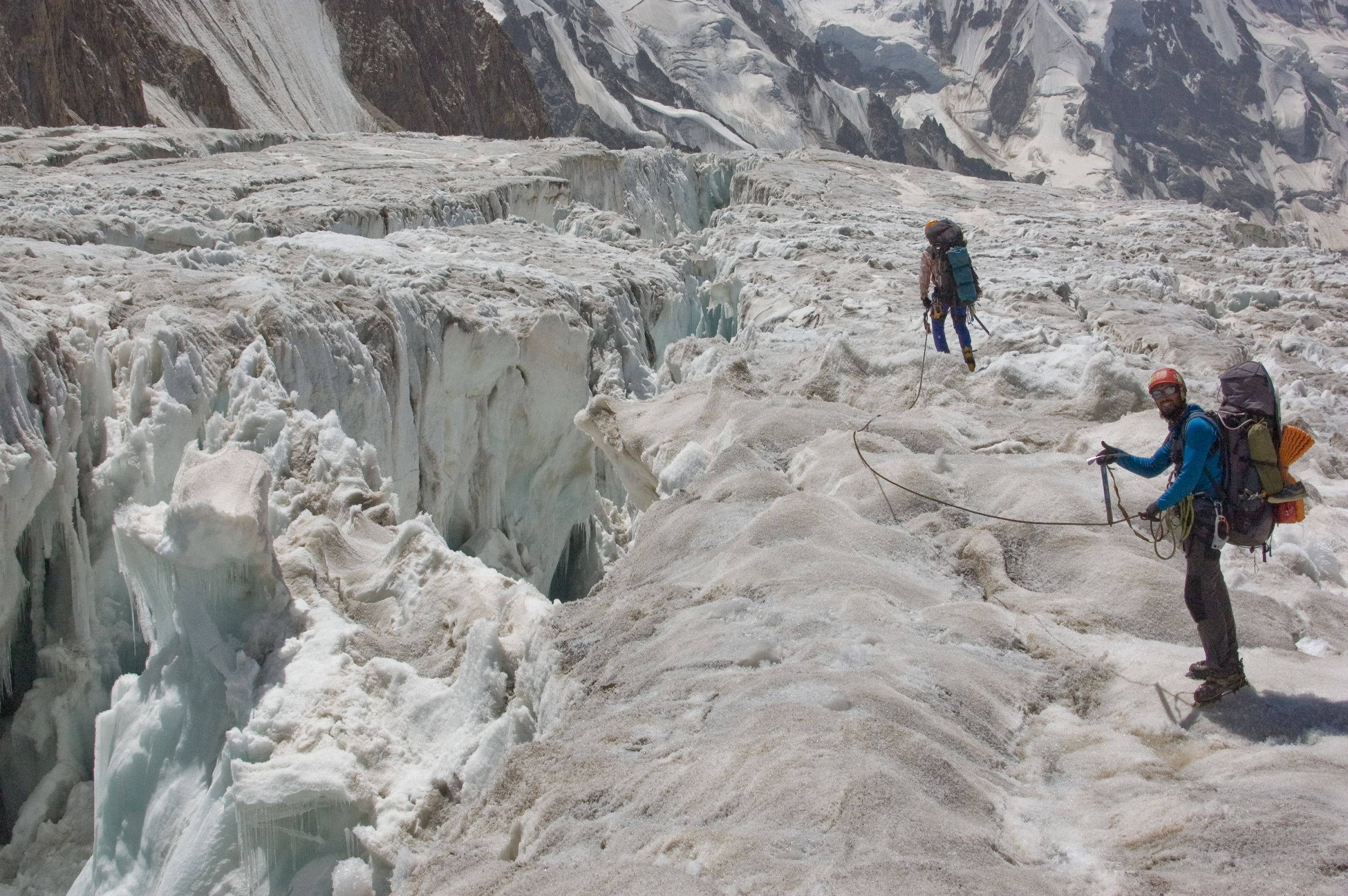
The Asian Development Bank (ADB) has approved a $3 million grant to strengthen Tajikistan’s capacity for glacier monitoring and hazard forecasting. The grant comes from the Japan Fund for Prosperous and Resilient Asia and the Pacific (JFPR) financed by the Government of Japan through ADB.
“Glaciers and snow are vital for water supply, agriculture, and hydropower, yet rapid melting caused by extreme weather changes can trigger devastating floods, avalanches, and other hazards,” said ADB Country Director for Tajikistan Ko Sakamoto. “This project will help equip the country with advanced tools and skills to forecast and respond to these threats, safeguarding lives and strengthening resilience.”
The Agency for Hydrometeorology (Hydromet) will be the executing and implementing agency for the project, which is expected to be completed by 2029 and primarily implemented in selected districts of the
Gorno–Badakhshan Autonomous Oblast.
The project will boost Hydromet’s ability to monitor glaciers and snow more accurately and timely by creating an end-to-end unified digital data system that improves data collection, storage, and analysis. This includes modernizing monitoring stations for real-time data collection and transmission, digitizing historical glacier data, and introducing advanced technologies like remote sensing and machine learning for better cryosphere monitoring and hazard forecasting.
To manage the unified data system, Hydromet’s technical staff will receive training in modern monitoring techniques and data management, with strong participation of women.
The project will also improve community-focused early warning systems for cryosphere-related hazards by developing disaster risk management plans, improving communication between local authorities and residents, and ensuring warnings are clear and reach people on time.
Tajikistan joined ADB in 1998. The partnership has delivered tangible results for the people of Tajikistan—from upgrading critical transport links such as the Obigarm–Nourobod, Dushanbe–Bokhtar, Ayni–Panjakent, Dushanbe–Tursunzoda, and Vose–Khovaling roads, to modernizing key irrigation and water supply systems and building hospitals and schools. ADB has also supported the construction of power transmission lines and electricity substations, the reconnection of the country’s electrical grid to the
Central Asian power network, and the rehabilitation of major hydropower plants like Nurek and Golovnaya.
ADB is a leading multilateral development bank supporting inclusive, resilient, and sustainable growth across Asia and the Pacific. Working with its members and partners to solve complex challenges together, ADB harnesses innovative financial tools and strategic partnerships to transform lives, build quality infrastructure, and safeguard our planet. Founded in 1966, ADB is owned by 69 members—50 from the region.