Split within the Taliban: why Afghanistan’s internet was not fully shut down

Afghanistan’s brief nationwide internet blackout in September 2025, officially blamed on “technical problems,” was in fact the result of an internal power struggle within the Taliban leadership, according to an investigation by BBC Afghan Service. Journalists report that two distinct factions have emerged within the movement: a hardline group led by Supreme Leader Haibatullah Akhundzada, […]

As-Plus

Afghanistan’s brief nationwide internet blackout in September 2025, officially blamed on “technical problems,” was in fact the result of an internal power struggle within the Taliban leadership, according to an investigation by BBC Afghan Service.

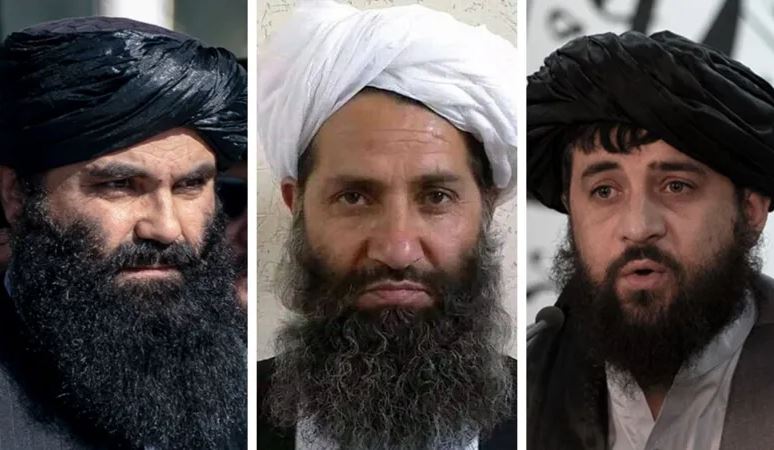
Journalists report that two distinct factions have emerged within the movement: a hardline group led by Supreme Leader Haibatullah Akhundzada, and a more pragmatic camp based in Kabul.

Akhundzada favors strict isolation and rigid enforcement of Sharia law, while the Kabul-based leadership seeks to maintain basic state functionality and limited engagement with the outside world.

In late September, Akhundzada ordered a complete shutdown of internet access across Afghanistan, reportedly viewing it as a source of “unbelief.” The order was implemented, but within two days senior officials — including Deputy Prime Minister Abdul Ghani Baradar, Interior Minister Sirajuddin Haqqani, Defense Minister Mohammad Yaqoob, and Communications Minister Hamdullah Nomani — pushed for its reversal.

According to the BBC, they argued to Prime Minister Hasan Akhund that a prolonged blackout would cripple banking operations and essential state services. In an unprecedented move, they openly defied the supreme leader’s directive and took responsibility for the decision.

Internet access was subsequently restored, while the government publicly attributed the outage to damaged fiber-optic infrastructure. Notably, the Kandahar-based leadership chose not to escalate the confrontation.

Observers suggest Akhundzada may have avoided a direct clash with figures who control the country’s most powerful armed factions. The episode has fueled speculation that, at least on certain issues, the Taliban’s pragmatic wing is capable of restraining the movement’s most radical impulses.

Article translations:

Related Article

Оби зулол

Most Read

Join us on social media!

Aura

Recent Articles

“Convenient, affordable, and cheap”: Dushanbe residents speak out on raids against shared taxis

They say that late at night buses and trolleybuses disappear from the streets, so cheap route taxis remain the only way for many to get home.

In the White House, President Trump was called a “king”

This is not the first instance where Trump's entourage has resorted to monarchical parallels when speaking about him.

Water, climate, and melting glaciers: what Central Asian countries agreed on at the RES 2026 in Astana

We discuss how the Regional Environmental Summit in the capital of Kazakhstan went and what results it yielded.

Tajik racer Bezhan Abdulloyev successfully passes the tests on a Formula 1 track

The athlete showed good results on the tracks in China and attracted the attention of international teams.

#AP30/Experts. Saifulloh Mullodjon on the place of Asia-Plus in the information field and future initiatives

"Asia-Plus is recognized as a respected and professional news agency in Central Asia," says a well-known historian.

Tajikistan in the “Kingdom of Carved Wood”

According to preserved ancient examples of exquisite wood carving, Tajikistan ranks first in Central Asia.

How linguistic background helps Nigina Alifbekova build an international career

She is fluent in four languages and not only translates words but also constructs meanings in business.

Who is coming to the Grand Slam in Dushanbe: key figures from team rosters

For Tajikistan, this will not just be a home start, but a test against a dense lineup from Europe, Asia, and the post-Soviet space.