Afghanistan’s brief nationwide internet blackout in September 2025, officially blamed on “technical problems,” was in fact the result of an internal power struggle within the Taliban leadership, according to an investigation by BBC Afghan Service.
Journalists report that two distinct factions have emerged within the movement: a hardline group led by Supreme Leader Haibatullah Akhundzada, and a more pragmatic camp based in Kabul.
Akhundzada favors strict isolation and rigid enforcement of Sharia law, while the Kabul-based leadership seeks to maintain basic state functionality and limited engagement with the outside world.
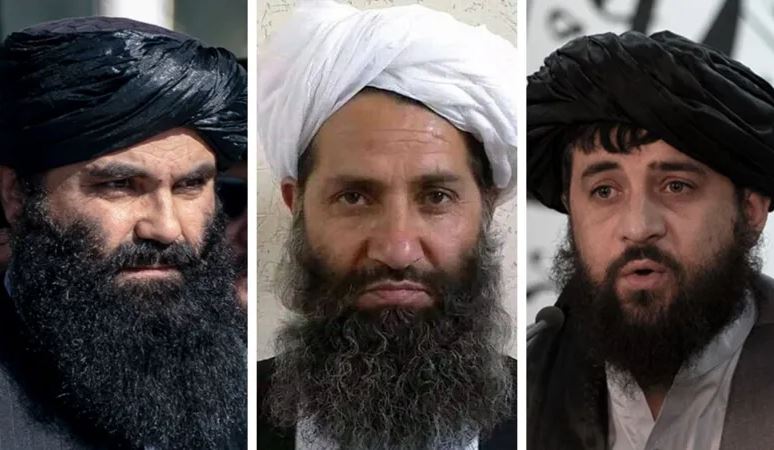
In late September, Akhundzada ordered a complete shutdown of internet access across Afghanistan, reportedly viewing it as a source of “unbelief.” The order was implemented, but within two days senior officials — including Deputy Prime Minister Abdul Ghani Baradar, Interior Minister Sirajuddin Haqqani, Defense Minister Mohammad Yaqoob, and Communications Minister Hamdullah Nomani — pushed for its reversal.
According to the BBC, they argued to Prime Minister Hasan Akhund that a prolonged blackout would cripple banking operations and essential state services. In an unprecedented move, they openly defied the supreme leader’s directive and took responsibility for the decision.
Internet access was subsequently restored, while the government publicly attributed the outage to damaged fiber-optic infrastructure. Notably, the Kandahar-based leadership chose not to escalate the confrontation.
Observers suggest Akhundzada may have avoided a direct clash with figures who control the country’s most powerful armed factions. The episode has fueled speculation that, at least on certain issues, the Taliban’s pragmatic wing is capable of restraining the movement’s most radical impulses.