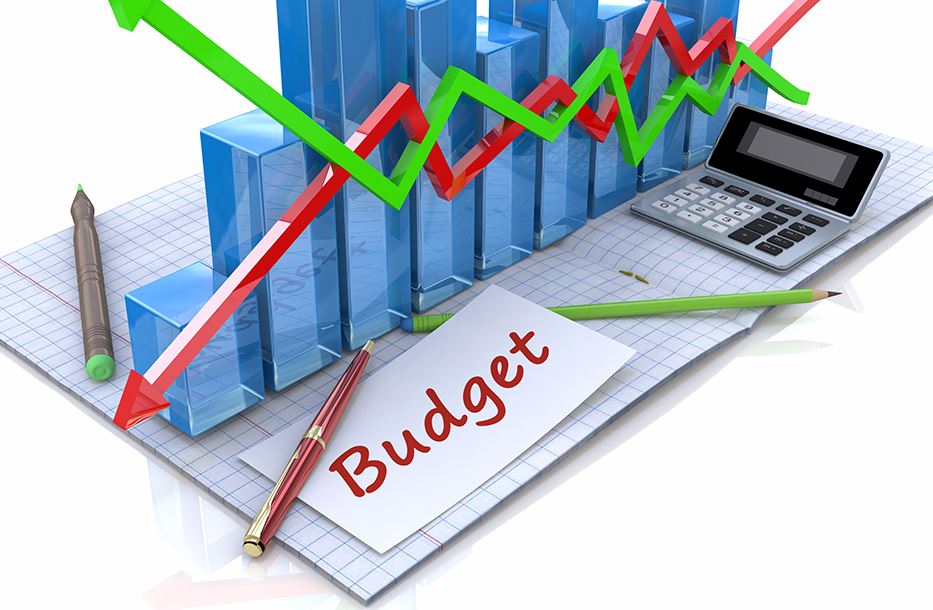
The Government of Tajikistan has adopted a decree outlining key aspects of the budgetary process for the 2026 financial year.
The document aims to ensure the efficient use of public funds, the timely implementation of investment projects, and support for sustainable economic growth throughout 2026.
Budget Implementation
Ministries, agencies, and local authorities are mandated to ensure the timely execution of the budget, particularly in areas related to social payments and the payment of salaries to public sector employees. It is also crucial to adhere to the plans for public procurement and to effectively allocate funds for the construction and reconstruction of facilities.
Budgetary oversight
To increase transparency, the Ministry of Finance will monitor the expenditure of funds and prepare quarterly reports. All government procurements must be conducted in accordance with approved norms, with any savings being transferred to special accounts.
Social payments and funds
Measures have been introduced to ensure that salaries are paid via electronic cards and to require reporting on pension and social benefit payments.
Government investment projects
Special attention will be given to the timely completion of state-funded investment projects. Ministries and agencies, as well as local authorities, are required to provide detailed information about the distribution of grants and loans for project implementation.
Monitoring and reporting
The decree requires quarterly reporting on expenditures and revenues for the national budget, including information on financial transactions, taxes, and other mandatory payments.
Electronic payments and document management
A key element of the new measures is the introduction of electronic document management to simplify financial operations and enhance transparency. Local authorities are required to ensure the timely input of data into the government financial management system.
The government has also introduced measures to improve tax culture and coordinate with international financial organizations to ensure effective funding for public programs.
Oversight
The implementation of the decree will be overseen by the Prime Minister of Tajikistan, Qohir Rasoulzoda.
The total revenue of the 2026 state budget has been set at over 65 billion somonis (around $7 billion), marking a 31% increase compared to the revenue projections for the last year.
The total expenditure of the state budget is estimated at approximately 67 billion somonis ($7.2 billion).
The budget deficit for 2026 is capped at 1% of gross domestic product (GDP), or roughly 2 billion somonis.
According to preliminary data from the Ministry of Finance, the revenue of the 2025 state budget exceeded expectations by 13.3%, with over 60.3 billion somonis collected.