Over the years of state independence, Tajikistan has concluded agreements on free trade and preferential regimes with several countries around the world. Specialists believe that such agreements contribute to the growth of foreign trade and the strengthening of external economic relations.
What is a Free Trade Regime?
Some people understand the "free trade" regime as a complete exemption of the parties from the mutual payment of customs duties and other customs payments, but this is not the case. Even between the countries of the European Union, where customs duties and formal customs procedures have been abolished for goods moving within this association, restrictions exist. That is, there are exceptions, especially for sensitive goods (for example, agriculture, products with special safety or environmental requirements), as well as separate measures to protect the domestic market.
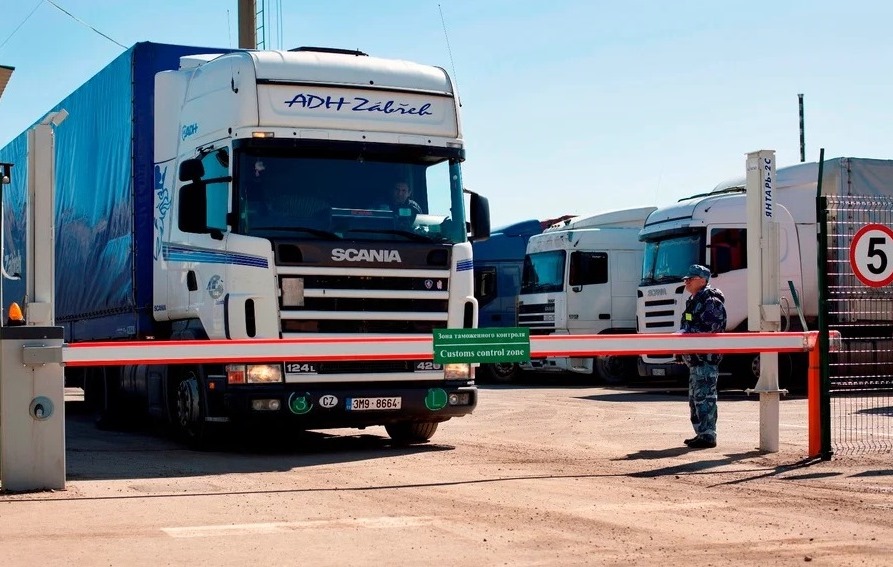
The same can be said about the Eurasian Economic Union (Russia, Belarus, Kazakhstan, Armenia, Kyrgyzstan). There, too, absolute freedom of movement for goods does not exist, as exceptions always apply regarding both certain categories of products and internal procedures, such as certification or environmental standards.
Thus, a free trade regime is a simplification of trade between countries, but not a total abolition of all restrictions. The terms of an agreement may vary depending on the goals and interests of the participating countries.
Agreement on a Free Trade Zone within the CIS
Tajikistan participates in this agreement; it facilitates trade with a number of countries: Russia, Belarus, Kazakhstan, Kyrgyzstan, Armenia, Moldova, and Uzbekistan (partially). According to this agreement, goods moving between CIS member states are exempt from most customs duties.
Tajikistan can export its goods to these countries without paying export duties, making trade more profitable and simple. The agreement covers a wide range of goods, but in individual cases, restrictions or additional measures may be applied.
That is, the free trade regime within the CIS is an agreement that eliminates customs duties and barriers on goods between participating countries but does not create a single customs territory, as in the EU or EAEU. CIS countries remain independent in establishing their own external tariffs and trade barriers. Unlike the EU and EAEU, where there is a unified external customs policy and common duties, in the CIS, countries can have different external duties and tariffs for third countries.
Also, within the Commonwealth, there may be exceptions for certain goods, and free trade agreements are often limited only to specific goods rather than covering all spheres of economic activity.
CIS Agreement on Free Trade in Services and Investments
In addition to trade in goods, Tajikistan participates in the agreement on free trade in services and investments, which also regulates the exchange of services and the attraction of investments into CIS countries. This arrangement helps create more flexible conditions for the development of business projects and increases economic cooperation in the service sector between the countries.
Bilateral Free Trade Agreements
Tajikistan has bilateral free trade agreements with individual countries, which involve the reduction or abolition of customs duties and trade barriers on certain goods in mutual trade. These agreements do not create a single free trade zone like the EU or EAEU and are limited to specific conditions for individual goods or industries.
Tajikistan concludes such agreements with several countries, which allows for improved access to their markets, while the countries remains free to set external tariffs and rules for trade with third countries.
Russia
Tajikistan has a bilateral agreement on free (duty-free) trade with Russia, signed in the 1990s. It excludes customs duties on goods originating from the territories of both countries. Specific goods to which duties do not apply are determined by annual protocols. Goods produced on the territory of one of the parties or processed using materials from third countries may be exempt from duties if they meet the established rules of origin.
Uzbekistan
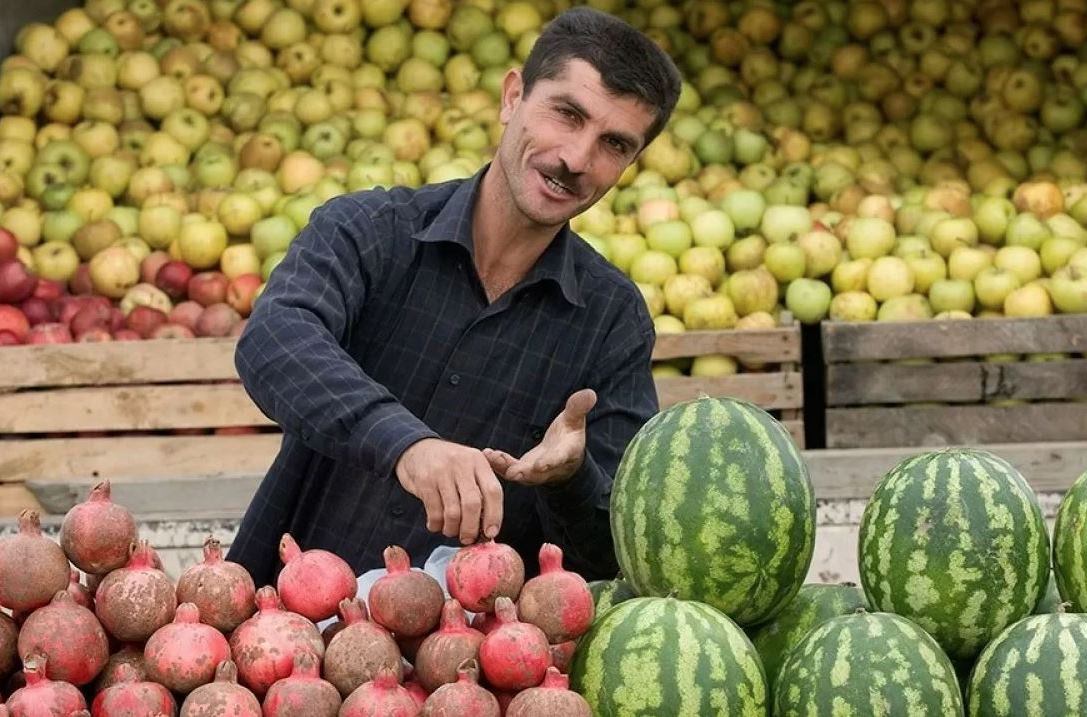
Tajikistan and Uzbekistan signed a bilateral free trade agreement, which involves the reduction or abolition of duties on certain goods, such as agricultural products and industrial equipment. This agreement has been active since 1996 and provides preferential conditions for the mutual supply of goods.
China
A bilateral free trade agreement between Tajikistan and China, which came into force in 2011, regulates the reduction of duties on specific goods, including industrial equipment, textiles, as well as some agricultural and food products that are important for both countries.
Turkmenistan
The agreement between Tajikistan and Turkmenistan on free trade also focuses on reducing tariffs and barriers on certain goods, including agricultural products, construction materials, and petrochemical products. This agreement is aimed at facilitating trade in key goods between the countries.
Iran
The agreement between Tajikistan and Iran on free trade, which came into force in 2011, covers specific goods such as agricultural products, textiles, and metal products. Within the framework of this agreement, the duty on mutual trade in the specified categories of goods is reduced.
Kyrgyzstan
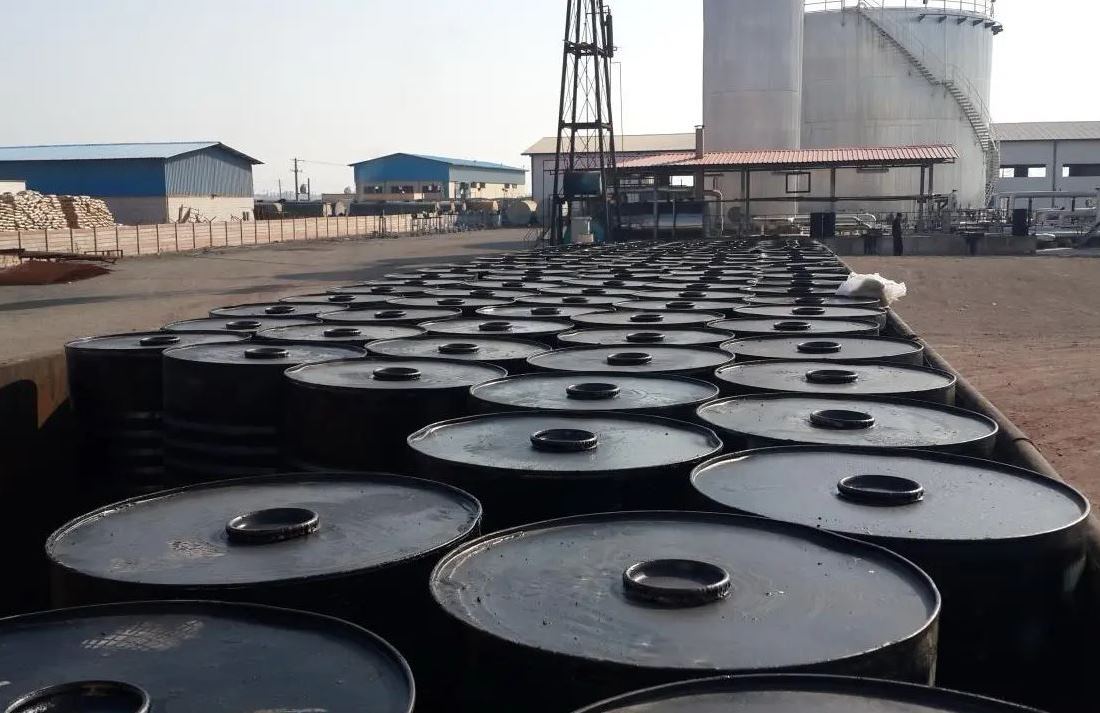
Tajikistan and Kyrgyzstan signed a bilateral free trade agreement that regulates the reduction or abolition of duties on certain goods, including agricultural and industrial goods, as well as goods related to mechanical engineering and energy.
Agreement within the ECO
Tajikistan also actively participates in economic cooperation within the framework of the Economic Cooperation Organization (ECO). This preferential trade agreement also provides opportunities for reducing duties in the region.
ECO Member Countries: Iran, Pakistan, Turkey, Turkmenistan, Azerbaijan, Kazakhstan, Kyrgyzstan, Uzbekistan, Afghanistan.
This association is aimed at facilitating trade and improving economic relations between the countries, and it can also become the basis for future free trade agreements.