The Government of Tajikistan has approved the Action Plan for the implementation of the comprehensive Program (2023-2027) for the development of the livestock, poultry, fishing, and beekeeping sectors in the Republic of Tajikistan.
The plan is designed for 2026-2027 and includes measures to increase the production of meat, milk, eggs, fish, and honey, improve the quality of agricultural animals, and introduce modern technologies. The country plans to create new livestock, poultry, fish, and beekeeping farms, as well as develop the processing of agricultural products.
Within the framework of the Plan, provisions are made for the purchase of breeding livestock, poultry, fish eggs, and bee colonies, the development of selection work, artificial insemination, and support for farms. Attention is also paid to the construction of processing workshops, which will help increase the income of agricultural producers.
The total volume of financing for the Action Plan for 2026-2027 will amount to more than 57.2 million somoni. The funds will be directed toward the development of agriculture through the state budget, as well as domestic and foreign investments.
In 2026, financing will amount to more than 26.8 million somoni, of which 3 million somoni will be allocated from the state budget. In 2027, about 30.4 million somoni is provided for the implementation of the Plan, including just over 3 million somoni in budget funds. The main part of the financing will be provided through investments, which will allow for the acceleration of the development of the agricultural sector and the introduction of modern approaches in agriculture.
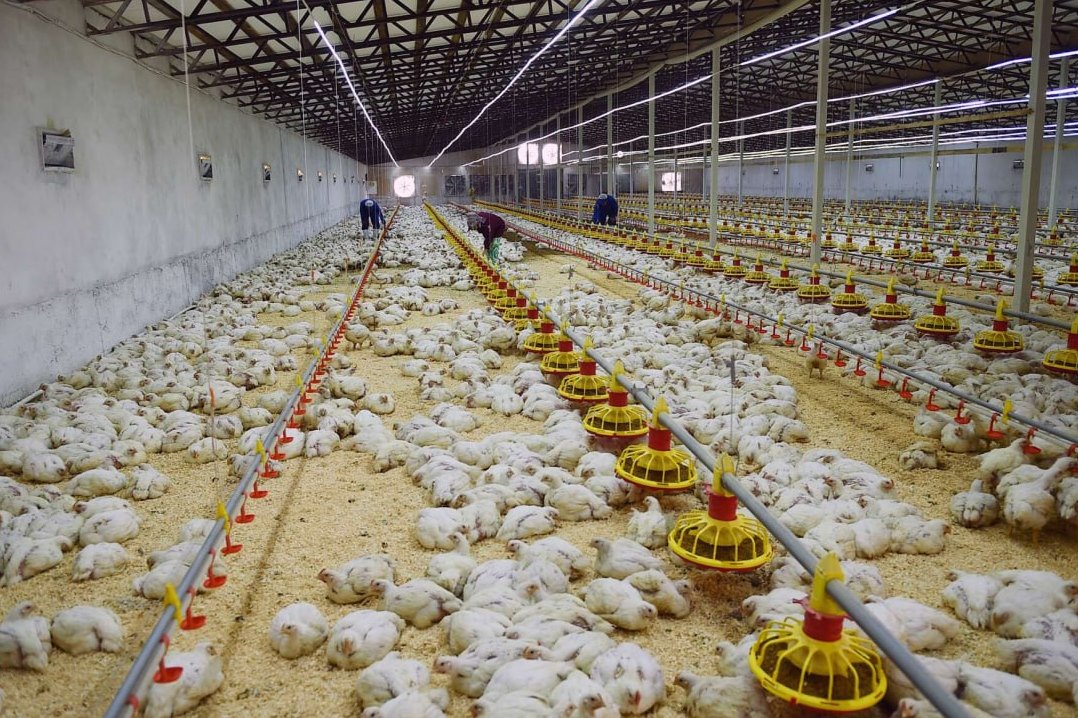
The largest volumes of financing will be directed toward the development of poultry farming and livestock breeding. 16.8 million somoni is allocated for the development of poultry farming, which will be directed toward the purchase of poultry, the creation and expansion of poultry farms, and the development of compound feed production. Livestock breeding will receive 16.5 million somoni — these funds will go toward improving the breed qualities of livestock, creating new farms, and developing selection work.
It is expected that the implementation of the Action Plan in 2026-2027 will contribute to the growth of domestic production, the sustainable development of rural areas, and the improvement of the living standards of the population.