CMWP Uzbekistan, an international consulting company specializing in commercial real estate, has published a review of the hospitality industry across Central Asia, analyzing the presence and development of international hotel chains in the region.
The report notes that Central Asia is increasingly positioning itself as one of the emerging global tourism hubs, combining the heritage of the Silk Road, UNESCO World Heritage sites, mountain landscapes, and authentic cultural experiences.
According to the study, the region attracts not only mass tourism segments such as cultural routes and family travel, but also high value-added niche segments, including adventure, eco-tourism, medical, and gastronomic tourism.
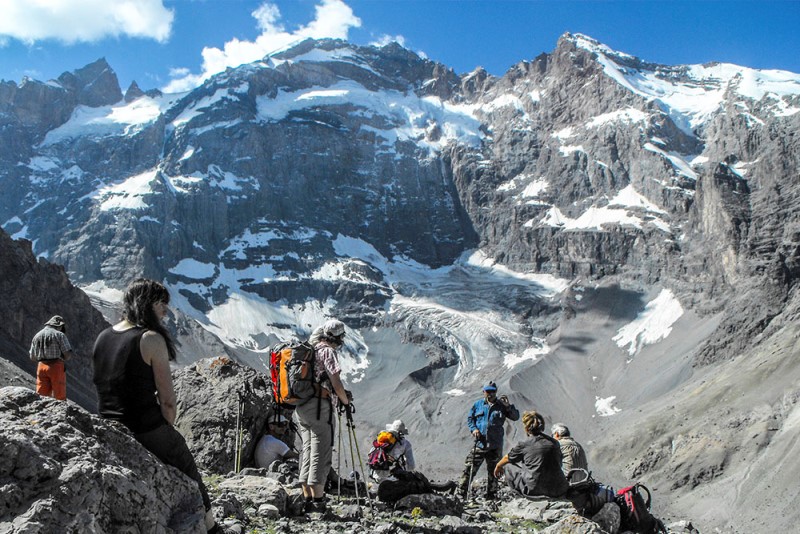
Within this context, Tajikistan is described as a country particularly well suited for adventure and niche tourism, targeting travelers with specific and specialized interests rather than mass tourism.
“Tajikistan is developing a niche adventure tourism segment focused on mountaineering, trekking, and cycling marathons along the Pamir Highway, while also strengthening infrastructure around Silk Road fortresses and the Hisor Fortress near Dushanbe,” the CMWP Uzbekistan team noted.
The report highlights that Tajikistan has one UNESCO World Heritage site — the Sarazm archaeological site, an ancient settlement dating back to the fourth millennium BC.
Key nature-based tourism destinations include the Pamir Mountains, the Fann Mountains, and the Wakhan Valley, known for their turquoise lakes and unique landscapes along the Afghan border.
According to CMWP Uzbekistan, tourist arrivals to Tajikistan increased by 239% over the past decade, nearly a 3.4-fold rise.
Over the same period, tourism growth reached 300% in Uzbekistan, 138% in Kazakhstan, and 91% in Kyrgyzstan.
Approximately 92% of tourists visiting Tajikistan come from CIS countries — primarily Uzbekistan, Russia, and Kyrgyzstan — as well as from China, Iran, and Afghanistan. The main tourist season falls in summer and autumn due to the mountainous climate, while access is limited during the winter months.
Economic and political factors
The report notes that the growth of tourism in Tajikistan is constrained by underdeveloped infrastructure, transportation and energy limitations, and administrative barriers.
“However, macroeconomic stability, infrastructure development (including the Pamir Highway), ongoing reforms, and official strategic goals through 2030 provide a foundation for transforming Tajikistan into a promising destination for investment,” the authors conclude.
The publication also states that the presence of international hotel chains in Tajikistan remains relatively small — about 485 rooms — but is gradually diversifying through premium and niche hospitality projects.