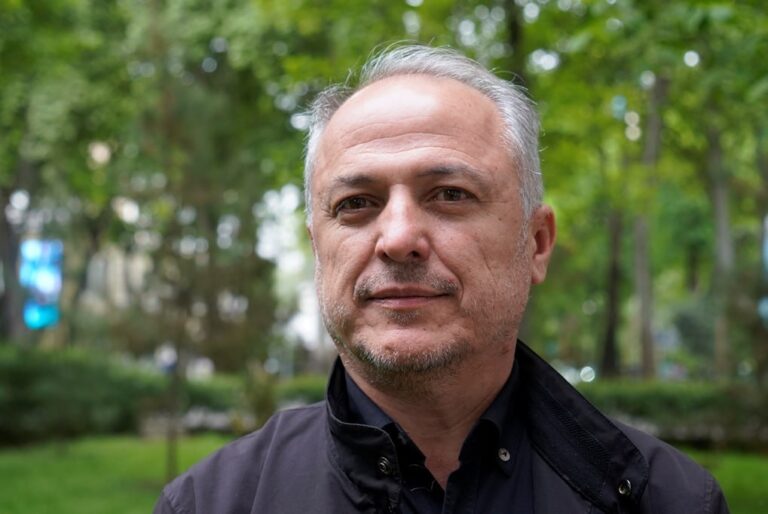
DUSHANBE, November 8, 2010, Asia-Plus — Tajik journalist Ilhom Narziyev, who is an expert on Afghanistan, considers that it cannot be ruled out that certain armed groups may cross from Afghanistan into Tajikistan.
“The Afghan government and international collation forces state that they plan to carry out a large-scale operation against these militants,” said Narziyev, “This crackdown on the militants may drive them across the border into Tajik territory.”
He noted that not all those militants that gathered in border areas of Afghanistan were members of the Taliban Movement. “Among them are militants from the Haqqani group, Pakistani Taliban, representatives from the Islamic Movement of Uzbekistan (IMU),” said expert. “They concentrated in northern Afghanistan lately and their appearance in northern regions of Afghanistan and increase in their numbers have destabilized the Kunduz and Takhar provinces.”
According to Narziyev, the Afghan government is not able to fully control the situation in border areas. “The Afghan government is frequently complaining of lack of opportunities to pay proper attention to strengthening of the country’s armed forces and police. Afghan authorities have many such problems, and therefore, they are not able to provide proper control and security of its border.”
In his opinion, the consequences of the possible spill over of militants into Tajikistan may be different. “I think that if events go on at that rate the threat of destabilization of the region will increase. However, it is definite that certain forces want to destabilize the Central Asian region as a whole,” said the expert, “We see this both in the example of Kyrgyzstan and in the example of Tajikistan, when the situation was tense in the east of the country. If we do not tackle socioeconomic problems facing the country these problems can radicalize people and create feeding ground for terrorism.”
The expert considers that Central Asia’s countries must combine their efforts to jointly combat international terrorism, drug trafficking and other threats. “They need this today as never before,” Narziyev said.