

The government of Tajikistan has approved the Medium-Term Program for the Development of the Digital Economy for the years 2026-2030.
The document, published on the legal information portal of the Ministry of Justice of the country, provides for the creation of digital infrastructure, the digitization of public services, the development of artificial intelligence and cybersecurity, as well as the formation of an innovative ecosystem in the country.
It is expected that an important aspect will be ensuring sustainable development through digital solutions in various sectors, which will enhance Tajikistan’s competitiveness on the international stage.
Key Areas of the Program
The Medium-Term Program is focused on several key areas.
Development of digital infrastructure. This includes the development of 5G networks, the creation of data centers, and ensuring broadband access throughout the country. It is particularly important to provide infrastructure to remote regions.
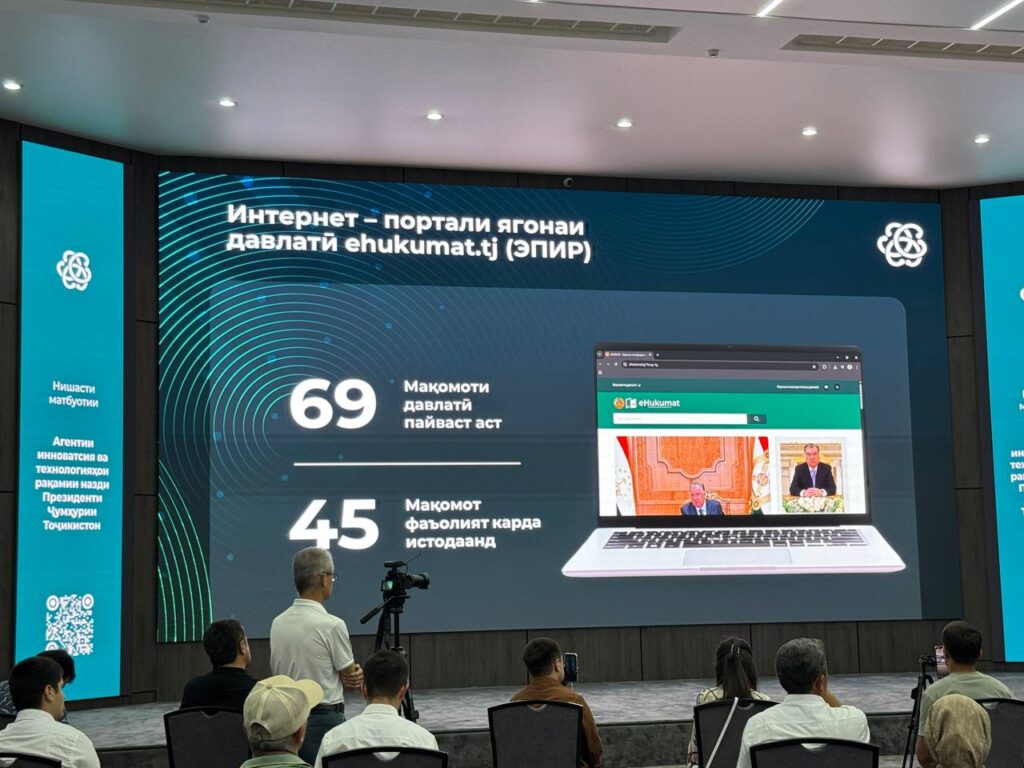
Digitization of public services. The program includes the creation of a unified platform for providing all public services in digital format through the eHukumat portal, which will increase the accessibility and transparency of government processes for citizens.
Education and training of personnel. The training of specialists in the field of information technology and the digital economy will be strengthened, which is especially important for the further development of the country’s innovative potential. New educational programs and advanced training centers will be established for this purpose.
Development of artificial intelligence and digital entrepreneurship. The program envisions the widespread implementation of artificial intelligence, which will impact all sectors, including healthcare, transportation, agriculture, and the energy sector. The development of digital technologies in entrepreneurship will ensure the growth of startups and the creation of new jobs.
Cybersecurity and data protection. An important part of the program is the establishment of a system to protect against cyberattacks, which is a necessary condition for the development of the digital economy in the context of increasing threats in the field of information technology.
Goals and Objectives of the Program
The goal of the program is to create an ecosystem of the digital economy that will ensure productivity growth and improve the quality of life for the population by providing access to modern digital services and platforms. The program also aims to promote innovation, improve the investment climate, and strengthen transparency in public administration.
The main objectives include:
Strengthening the institutional framework for the development of the digital economy.
Developing infrastructure to enhance the accessibility and quality of public services.
Stimulating digital entrepreneurship and innovative activities.
Increasing the level of digital literacy among the population.
Financing and Monitoring
The implementation of the program will be financed from the state budget, the private sector, and international partners. It is expected that the total volume of funding will amount to approximately 2366.8 million somoni. At the same time, international partners will make up the largest share of the funding.
The Agency for Innovations and Digital Technologies under the President of the Republic of Tajikistan will oversee the implementation of the program, conducting monitoring and evaluation of the progress of the planned activities.

Expected Results
The program aims for a significant improvement in the digitalization of the country. In particular:
– an increase in the share of the digital economy in the GDP of the republic;
– improved accessibility of the internet and the implementation of new 5G technologies;
– the creation of modern digital platforms for businesses and public authorities;
– the development of a startup ecosystem and the attraction of investments.
Problems and Challenges
The authors of the program note that the digitalization process in Tajikistan faces a number of problems, including low levels of digital literacy, limited resources for investment, and insufficient coordination among various government agencies. They also consider the issue of ensuring cybersecurity to be an important aspect, which should be a priority at all stages of digitalization.
It is expected that the program will open new opportunities for the development of business, education, and public administration, and the implementation of modern technologies and the development of digital platforms will make the country’s economy more efficient and competitive, strengthening its position on the international stage.