
The USA threatens Iran with “being thrown back to the Stone Age” due to “Hollywood illusions,” said on social media X the commander of the Aerospace Forces of the Islamic Revolutionary Guard Corps (IRGC) Majid Mousavi.
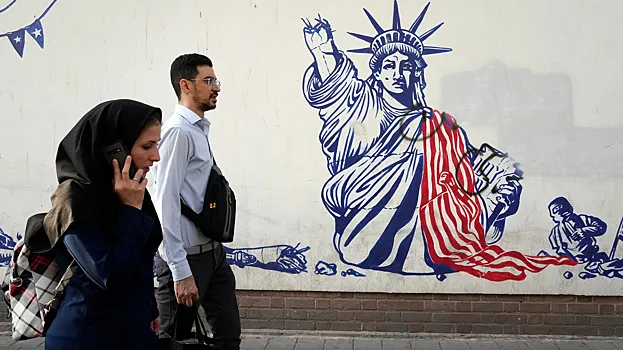
“It is you who are burying your soldiers, not Iran, which you believe should return to the Stone Age. Hollywood illusions have so infected your thinking that, with a modest 250-year history, you threaten a civilization that is over 6000 years old,” wrote Mousavi.
Iran and the Stone Age are separated by thousands of years, stated Mehdi Tabatabai, deputy for public relations and information in the Iranian presidential administration.
“If we are talking about a return to the Stone Age, then the finish line for them is much, much closer,” he added.
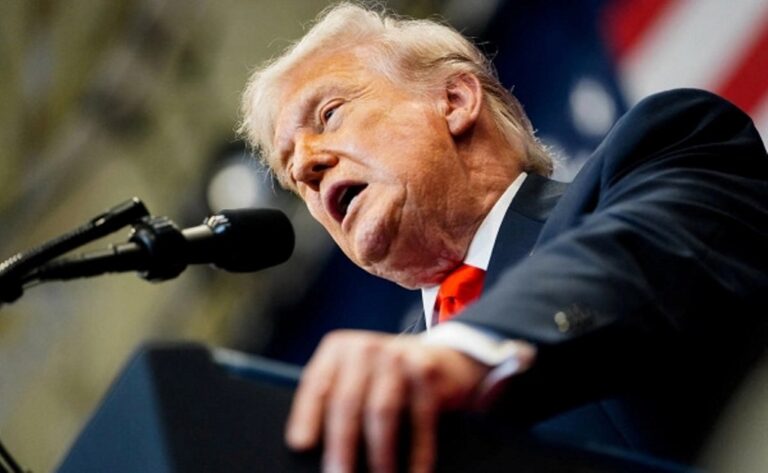
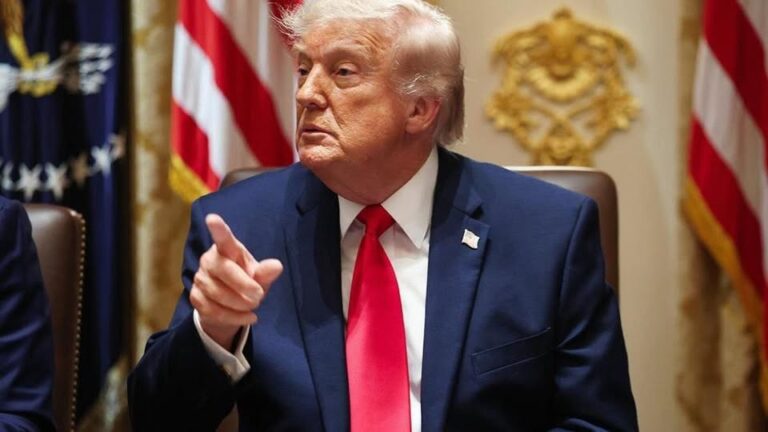
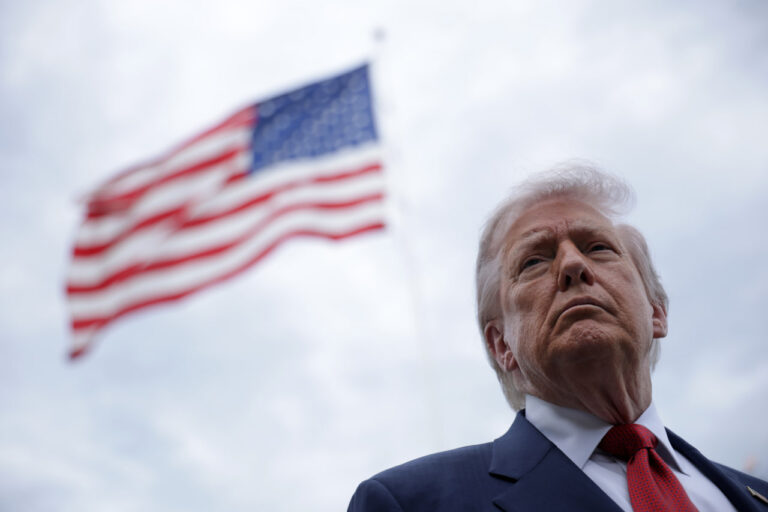
The day before, the US president threatened to throw Iran “back to the Stone Age.” Trump, in an address to the nation, promised to end the war with Iran “very quickly.” However, he did not specify exact timelines for the end of the conflict.
At the same time, he warned that new powerful strikes could be inflicted on Tehran in the coming weeks: if Iran does not agree to a deal, the USA will deliver “very strong strikes on each of their power plants, and likely simultaneously.”
“Back to the Stone Age,” wrote then on X the US Secretary of War, Pete Hegseth.
On Wednesday, Trump stated that Iran allegedly contacted the USA requesting a ceasefire. According to him, Washington will only consider this issue if the Strait of Hormuz is opened. However, this information was rejected by Iran.
On February 28, the USA and Israel announced a military operation against Iran, and numerous strikes were carried out across the country. In response, Iran launched retaliatory strikes on US bases in the region—in the UAE, Bahrain, Saudi Arabia, and Kuwait.
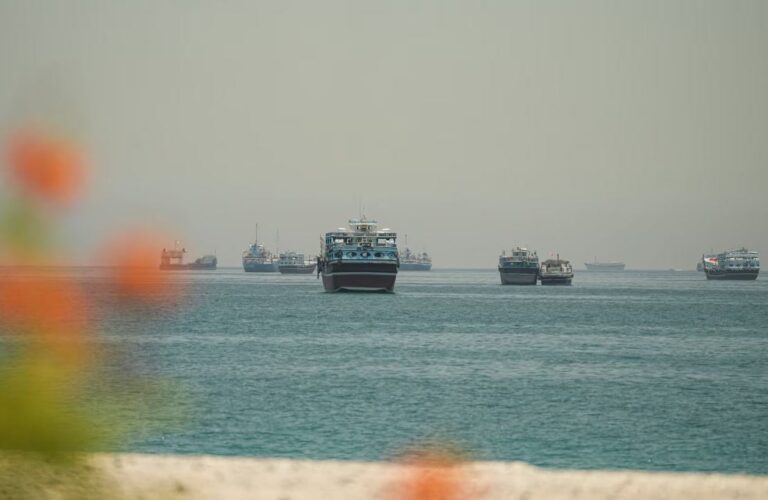
The Iranian ambassador to Russia, Kazem Jalali, on April 1 listed the conditions that Tehran considers necessary for achieving peace. They include a complete cessation of “aggression and terrorist acts”; providing “objective and credible guarantees” against the recurrence of aggression and war; full compensation for material and moral damage; and respect for Iran’s legal jurisdiction in the Strait of Hormuz.
Previously, Trump stated that Tehran agreed to most of the 15 points of the US plan to end the war, 12 of which are Washington’s demands.