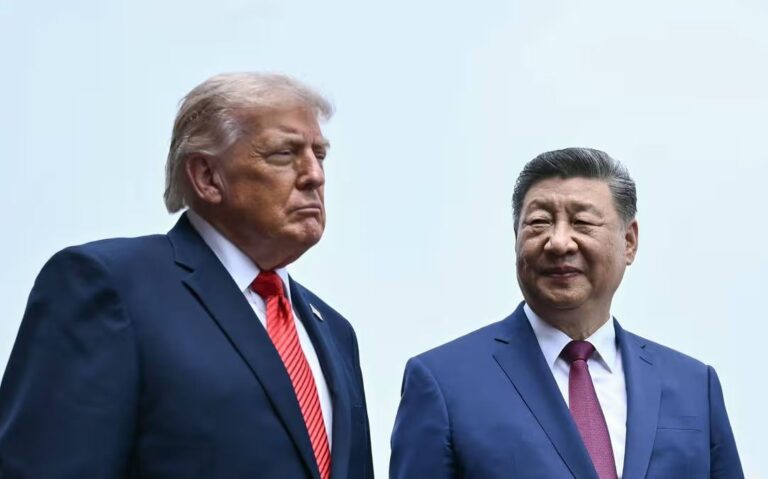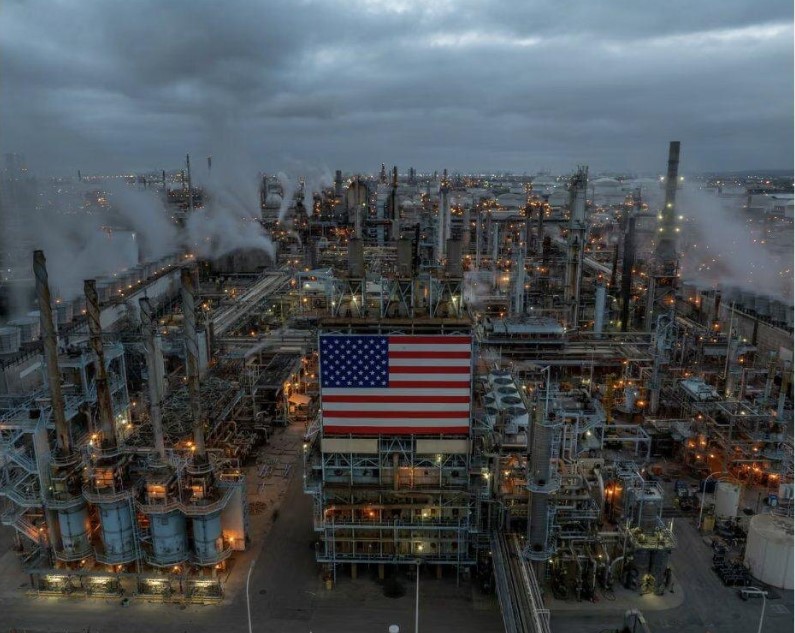
According to a new study, over the past three decades, the US has inflicted a staggering $10 trillion in damage to the world due to its colossal greenhouse gas emissions heating the planet. A quarter of this economic blow has hit the United States itself, writes The Guardian.
As the largest source of carbon emissions in history, the US has done more harm to the global economy than any other country. According to the study’s findings, it surpasses even China, the current leader in emissions, which since 1990 has caused a $9 trillion damage to global GDP.
About 25% of this GDP growth slowdown occurred within the US itself, but other countries have paid an even higher price: economic losses are disproportionately felt in the poorest nations. The study showed that since 1990, US emissions have cost India’s economy about $500 billion and Brazil’s $330 billion.

“These are colossal numbers,” acknowledged Marshall Burke, an environmental scientist from Stanford University, who led the new study.
Burke added that the US “bears a significant responsibility: our emissions have caused damage not only to ourselves but also considerable harm to other parts of the world.”
Like a death by a thousand cuts…
The study, published on March 25 in the journal Nature, attempts to quantify in monetary terms the notion of “loss and damage.” This term is used to describe the harm inflicted on societies due to the dangerous rise in global temperatures caused by burning fossil fuels.
Developing countries are calling on wealthier nations, which have emitted most of the greenhouse gases since the industrial revolution, to provide them with financial assistance. These funds are necessary to combat the consequences of catastrophic heatwaves, floods, droughts, and crop failures exacerbated by rising temperatures.
The new study sums up this damage by calculating how much global warming has limited GDP growth and distributing responsibility among countries based on their emissions since 1990. This metric does not account for all the consequences of climate change but shows how economies suffer from heat that reduces workers’ productivity and overburdens healthcare systems.
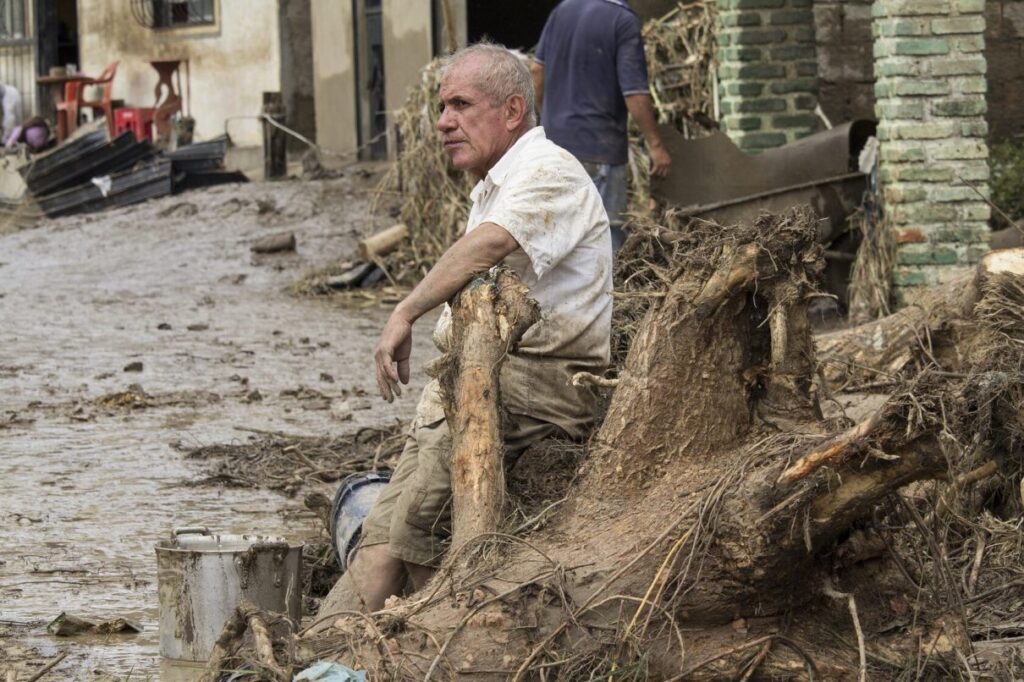
“If you raise the temperature a little, as clear historical experience shows, economic growth will slow,” Burke explained. “If you accumulate these effects over 30 years, you will see really significant changes at the end of this period. It’s like death by a thousand cuts. And the people who suffer are not the ones who caused the problem, which seems extremely unfair.”
Gernot Wagner, a climate economist at Columbia Business School, noted: “Past emissions accumulate quickly, and the damage from them even faster. Paying the full social cost of carbon for future CO₂ and other greenhouse gas emissions pays off many times over.”
The US shirks its commitments
The United States of America has long resisted the idea of legal responsibility for pollution that heats the planet, which has helped push the world towards unprecedented climate conditions in the history of human civilization.
Donald Trump accelerated this shirking of commitments: he withdrew the US from the “loss and damage” fund created to help vulnerable countries and exited global climate agreements. Trump advocates a “drill, baby, drill” approach to oil and gas extraction and takes unprecedented measures to slow down domestic clean energy projects.
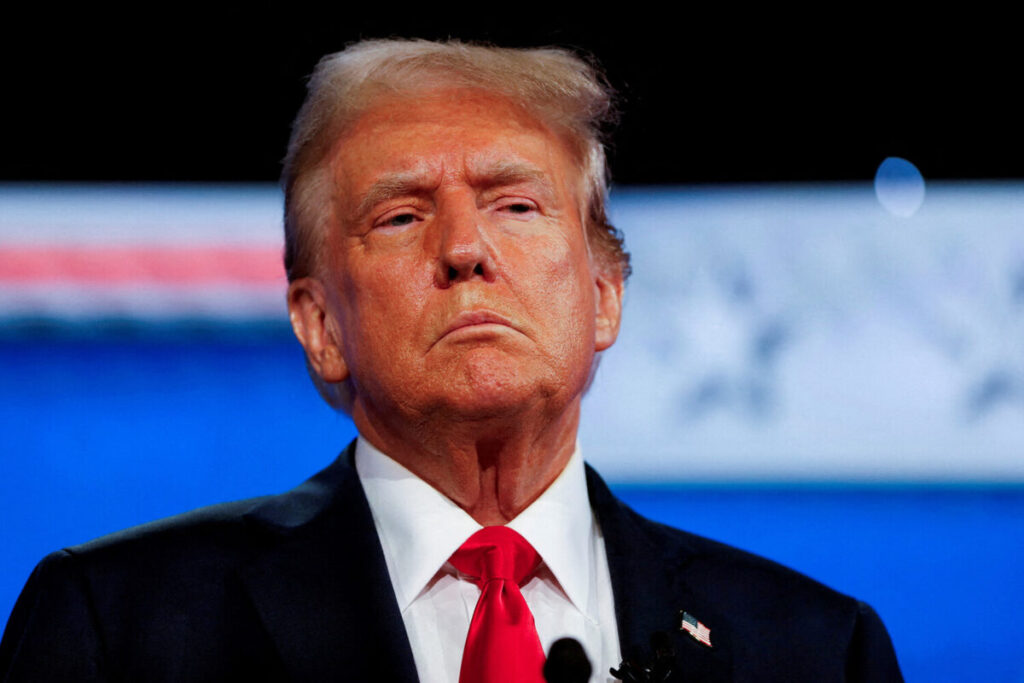
“I don’t think our numbers can bring the Trump administration back to the negotiating table on loss and damage issues, but they certainly suggest that it should,” said Marshall Burke.
Frances Moore, an expert on the social costs of the climate crisis at the University of California, Davis, who was not involved in the study, called the work “useful” but noted that it might still not fully account for the burden of damage incurred by the poorest countries due to a climate crisis they did not cause.
“Many economists argue that the welfare consequences when a very poor person loses a dollar are much more severe than for a wealthier person,” she explained. “This difference in the impact of dollar damage on welfare in rich versus poor countries is not captured in this study.”