Recently, Zafar Sayedzoda, Doctor of Sciences in History, head of the CIS Department at the Institute for the Study of Asian and European Problems of the National Academy of Sciences of Tajikistan and former spokesman for the head of state, sent an open letter to President Emomali Rahmon with proposals to strengthen information security and improve the situation of media workers.
In the appeal, published on Facebook, he noted that in the context of the transformation of the information space, the role of professional and socially protected journalists is increasing. However, workers of state media face low salaries, lack of guarantees, and limited growth opportunities.
Sayedzoda proposed a number of measures, including the creation of a Presidential Fund for Media Support, raising journalists’ salaries, introducing preferential mortgages, establishing a professional development center, and adopting a law “On State Support for Media Workers.”
He also suggested introducing the title “People’s Journalist of the Republic of Tajikistan” and tax benefits for low-income state media employees. According to him, the proposals were prepared taking into account the experience of Russia, Uzbekistan, and Kazakhstan.
Later, commenting on his proposals in a brief interview with Asia-Plus, Zafar Sayedzoda noted that awarding the title “People’s Journalist” implies all journalists, regardless of whether they work in state or private media.
“For the state, for understandable reasons, state media cannot be a non-priority. But the Presidential Fund for Support should be created for all media, without exceptions,” he said.
Sayedzoda also then added that he had addressed the president with this letter back in the fall of last year. “The issue is currently under consideration,” he added.
And what do journalists themselves think about the appeal of the former spokesman for the head of state?
Nouriddin Qarshiboyev, Chairman of the National Association of Independent Media
The head of NANSMIT believes that the idea itself is “good, but some of its points need refinement.”
According to him, the proposal mainly concerns state media, whereas the country needs to develop a comprehensive media support program regardless of ownership form.
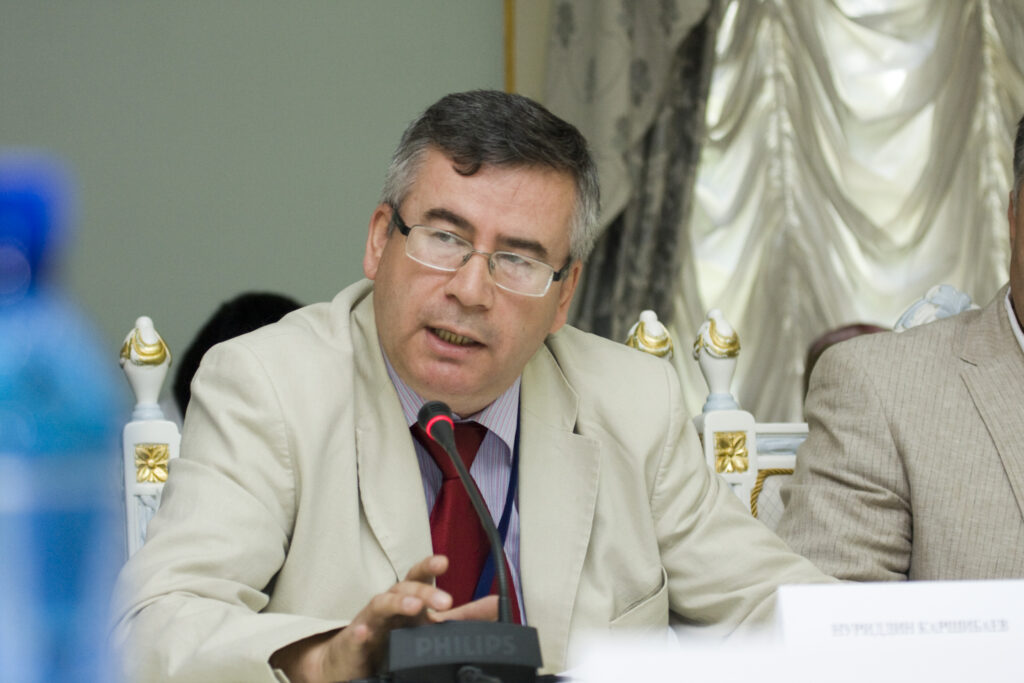
Qarshiboyev emphasized that such a necessity is also reflected in the recommendations of the Universal Periodic Review (UPR) of the UN Human Rights Council.
He also reminded that the Ministry of Culture prepared a draft Media Development Strategy until 2030, however, in his opinion, the document also contains shortcomings. It is planned that appropriate programs and activities will be developed on its basis.
“I believe that all these initiatives should be considered together with the involvement of industry experts. This would be a more effective solution,” he noted.
At the same time, according to Qarshiboyev, in their current form, such approaches may contribute to strengthening state propaganda rather than the balanced development of the entire media system.
“I propose to revise some of the outlined points. We also need to think about other aspects,” he added.
When asked why, in his opinion, Sayidzoda focused on state media, Karshiboev noted that perhaps Zafar Sayidzoda is not fully aware of the existing problems in the industry, especially the situation of independent media.
Shahlo Akobirova, director of the Khoma public organization
Shahlo Akobirova supported the appeal, saying, “as the press secretary to the head of state during the civil war years, he always remained accessible and was close to journalists – this experience is of particular value.”
She noted that “we are significantly delayed in forming a professional and competitive media market,” emphasizing that the development of professional journalism, “devoted to national values and socially protected,” fully corresponds to the modern needs of the industry.
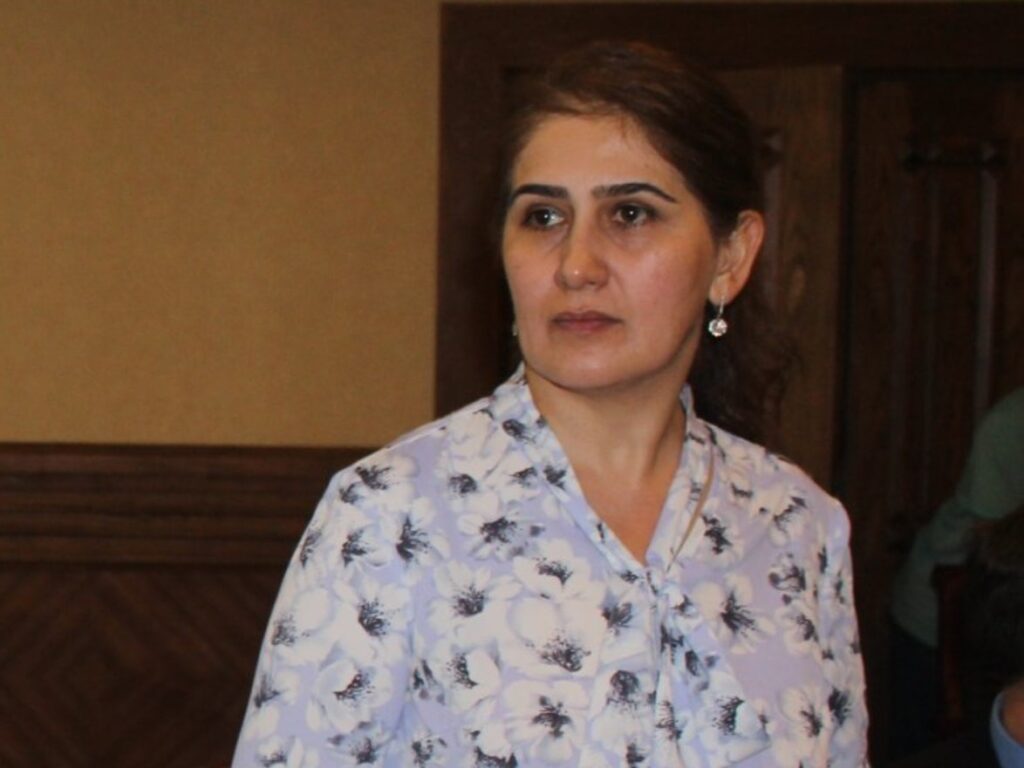
Akobirova also emphasized that “further postponement of industry reforms is unacceptable,” as ignoring existing problems “primarily poses a threat to national security.”
In her opinion, “if we truly want to have professional and competitive media, it is necessary to create favorable conditions for the development of the media market and gradually reach a real level of the media industry.”
She added that “in most neighboring countries, this process has already formed and remains a serious challenge for us.” In this regard, she said, “healthy competition should be the foundation for industry development, benefits should be distributed fairly, equitably, and transparently, and the evaluation of media activities should be carried out based on professional journalistic standards, regardless of ownership form.”
Khurshed Atovullo, journalist
According to him, “when people like Zafar Sayedzoda put forward such initiatives, their words carry weight and significance because the president of the country personally knows and respects him.”
Atovullo noted that after Sayidzoda’s proposals, “who is respected in the professional community,” he suggests considering his candidacy for the head of the Union of Journalists of Tajikistan.
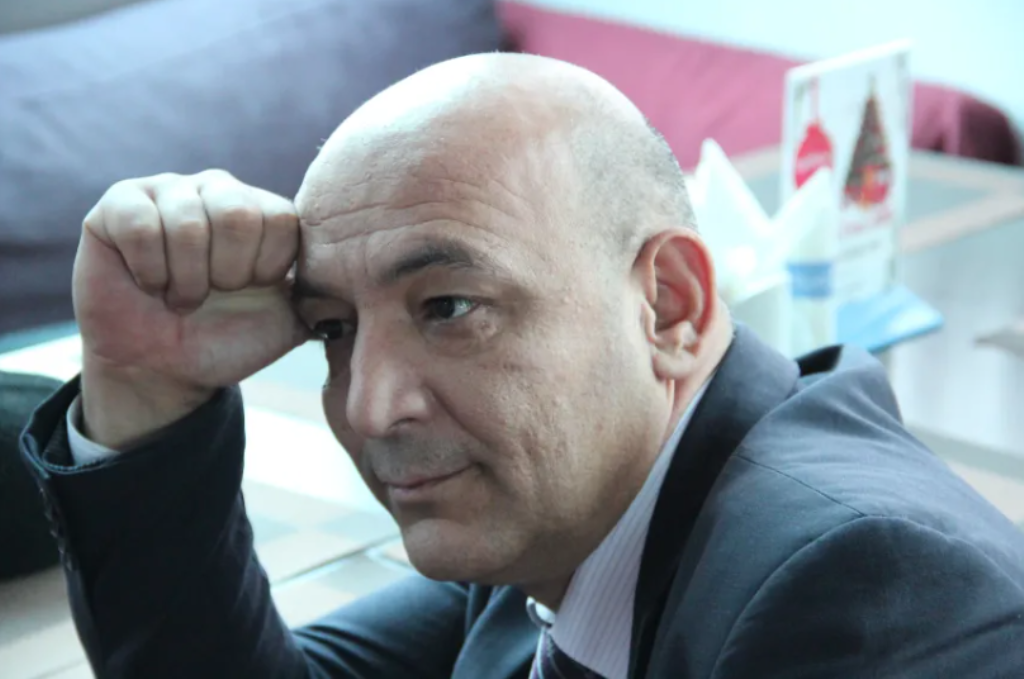
“This could help at least partially raise the public authority of journalism and journalists, which decreased after the death of Akbar Sattor,” he emphasized.
He also added that “after retiring, Zafar Sayidzoda became more free from state obligations and can devote more time to the development of Tajik journalism,” to which he, according to Atovullo, owes much of his professional name and recognition.
Gulnora Amirshoyeva, chairwoman of the Coalition of Women Journalists of Tajikistan
Gulnora Amirshoyeva supported Zafar Sayedzada’s initiative, noting that it “found broad resonance among journalists.”
According to her, “in recent years, few have dared to appeal to the president to support domestic media.” She emphasized that “during his time as press secretary, journalists could always promptly receive the necessary information — today, unfortunately, such accessibility is not available.”
Amirshoyeva noted that “in modern conditions, the support of all journalists is especially important, but particularly non-state media.” According to her, “unlike state media, they lack subsidies, but at the same time play a key role in shaping the information space, ensuring diversity of opinions and the development of civil society.”
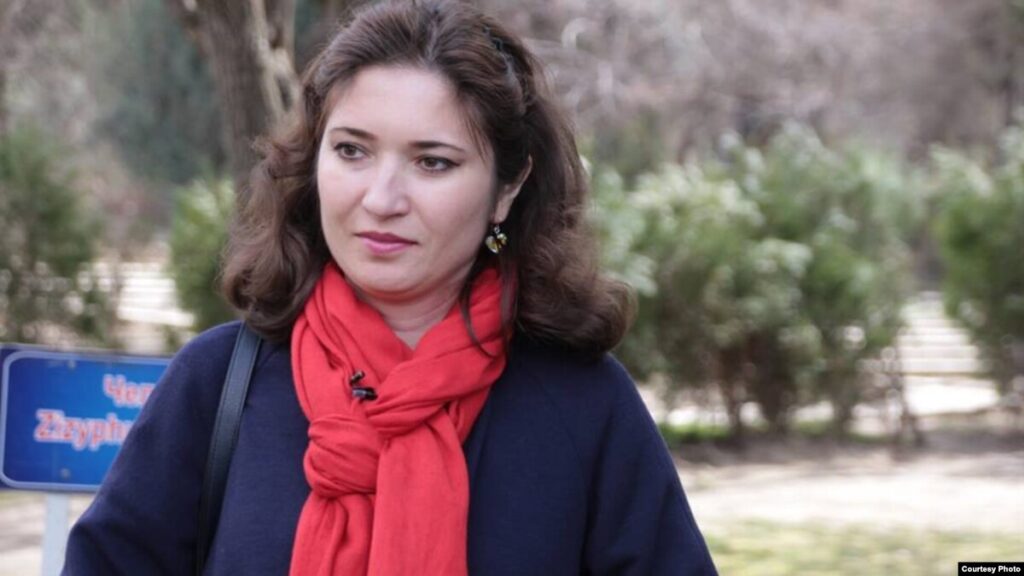
She also pointed out that “private media face constant difficulties, such as rising rents and high tax burdens.”
“Women journalists and media leaders, for whom the profession is associated with additional difficulties, deserve special attention,” Amirshoeva added.
In her opinion, “the state can form a good alliance with non-state media, support them, and gain allies.” As specific measures, she proposed:
– initiating grants and subsidies, i.e., funding socially significant projects;
– introducing tax benefits, especially for regional media;
– simplifying registration and licensing, reducing administrative barriers, as well as ensuring legal guarantees and protection for journalists.
She also listed several other important measures: equal access to information, accreditation for official events on par with state media, inclusion in state programs, and involvement in covering social and cultural projects.