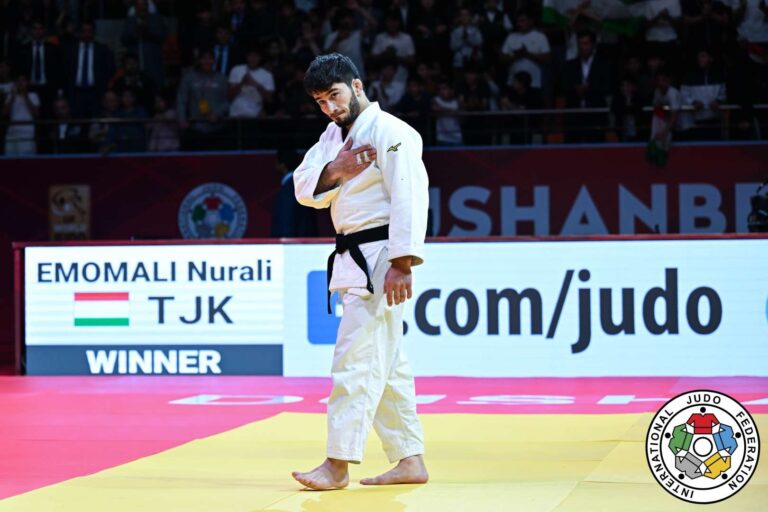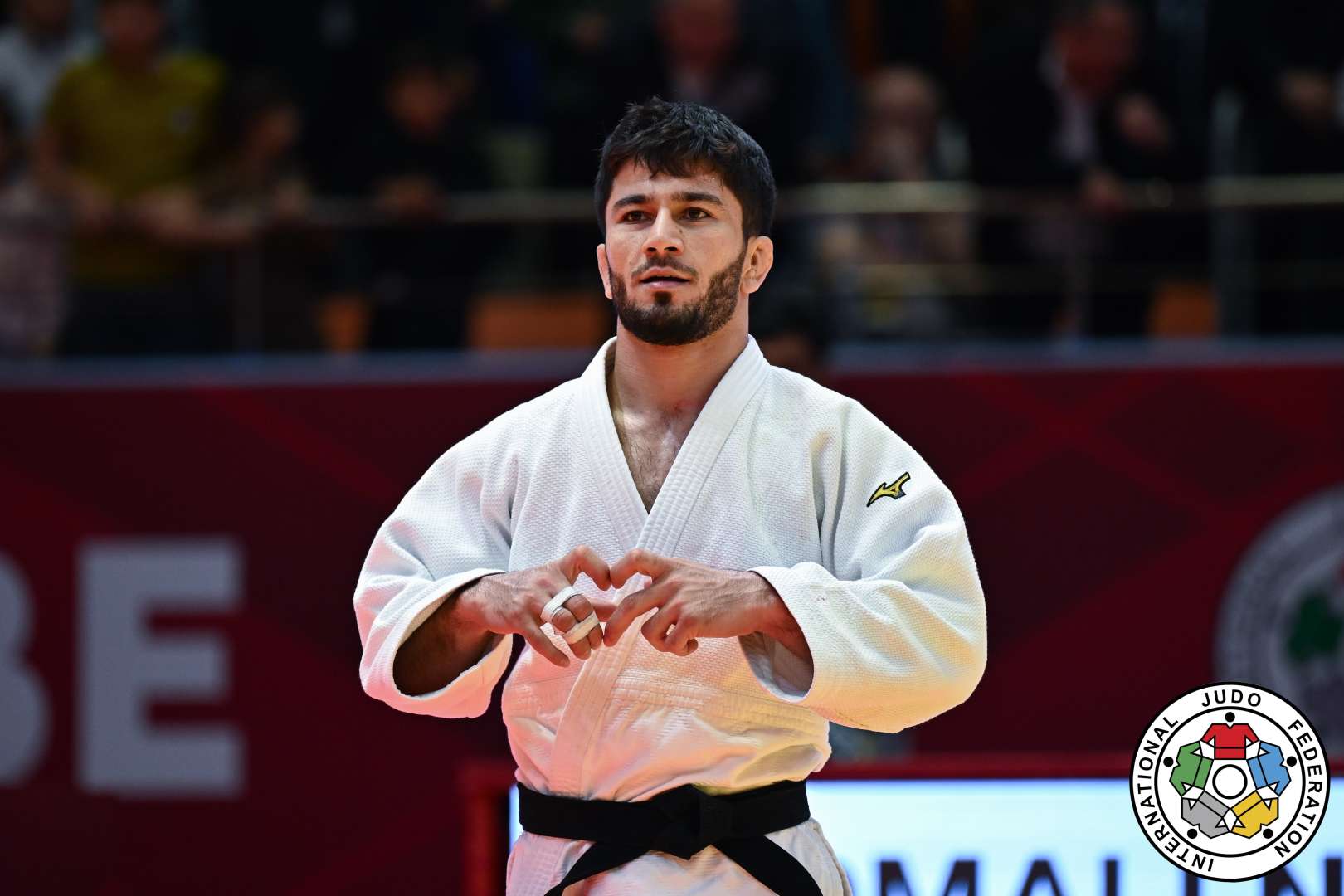
The absolute leader in the 66 kg category was Emomali Nourali with 5226 points, securing the first place in the world. This result allowed him to surpass Japan’s Takeshi Takeoka and establish himself at the top.
In the 73 kg category, the leader of the ranking became Muhiddin Asadulloyev with 4570 points. After his victory in Dushanbe, he rose three positions, surpassing strong competitors from the UAE, Brazil, and France.
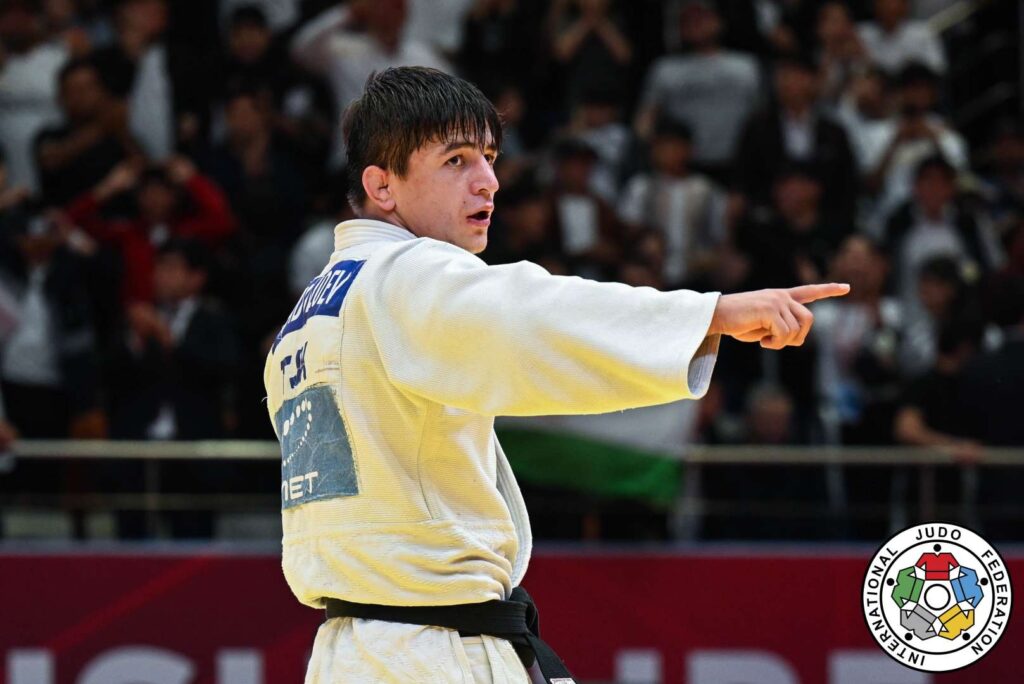
In the 81 kg category, Somon Mahmadbekov secured his position. With 3942 points, he ranks third in the world, having climbed four positions. Obid Jebov also holds a high position – 4th place in the 66 kg category (3640 points).
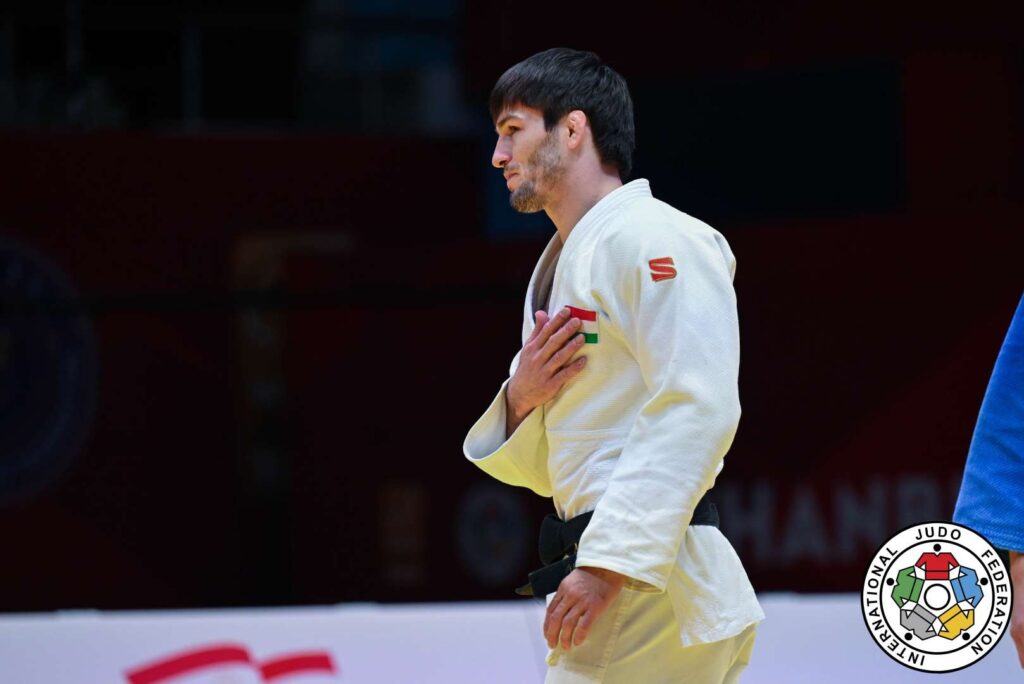
In the heavyweight categories, there are also significant positions: Temur Rahimov – 11th place in the +100 kg category (2940 points), Jahongir Majidov – 13th place in the 100 kg category (2918 points).
In the lightweight 60 kg category, there is Mehrzod Sufiyev – 17th place (1994 points). The 73 kg category is particularly notable, with several Tajik judokas in the top 30: Maqsoud Ahmadzoda – 22nd place (1712 points), Abubakr Sherov – 23rd place (1616 points), and Abdullo Orif – 36th place (1288 points).
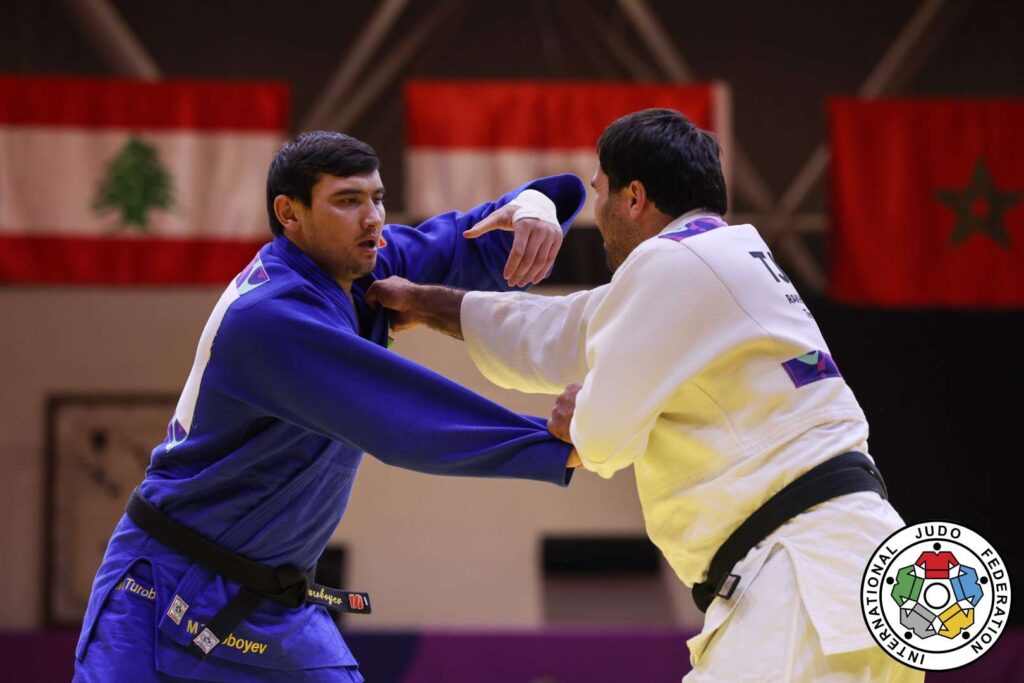
In the second half of the ranking are athletes forming the reserve: Sunatullo Musoyev – 49th place (81 kg, 1001 points), Loiq Qudbuddinov – 54th place (60 kg, 745 points), Behrouz Khojazoda – 57th place (81 kg, 738 points).
In the 90 kg category: Muhammadjon Abdudjalilzoda – 61st place (818 points), Umedjon Rajabov – 63rd place (799 points). And in the 60 kg weight class: Muhammadsoleh Quvvatov – 61st place (662 points).
How the ranking is formed
The International Judo Federation (IJF) World Ranking is a system for assessing judokas’ achievements, taking into account their performance results at IJF-sanctioned competitions. The ranking is regularly updated and reflects the current sporting achievements of athletes in different weight categories.
Points are awarded for performances at continental open tournaments, Grand Prix, Grand Slam, Masters, continental championships, world championships, and the Olympic Games. The ranking calculation considers the five best results for each 12-month period and one additional result from a continental championship or Masters.
If an athlete participates in both events, the higher score is taken as the sixth result, and the lower score is included among the top five results in the WRL.
Points for a tournament are considered based on the time elapsed: in the first 12 months after the tournament – 100%; after 12 months – 50%; after 24 months – 0% (not considered). To earn points for a tournament, at least one match must be won. Exceptions are Grand Prix, Grand Slam, world championships, and continental championships: points are awarded for participation even without victories.
In the case of a tie in total points, the higher ranking is determined by the following rules:
The highest sum of current points from all world championships.
The highest sum of current points from all Grand Prix, Grand Slam, and Masters.
The highest current score from a single event, then (if necessary) the second highest, and so on. If competitors are still equal, the IJF executive committee makes the decision.