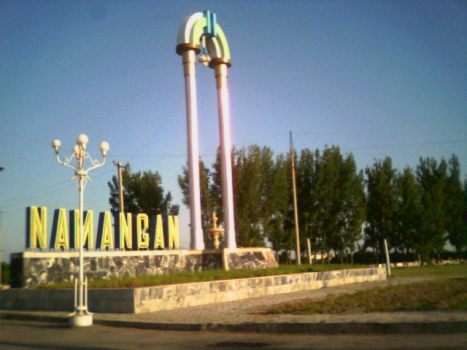
Court of Papsky region of Namangan district of Uzbekistan sentenced Hamzali Khidirov, a 31-year-old resident of Sarvak village of Punuk Jamoat of Asht region, to six years in prison, relative of the convict, director of the #57 secondary school of the given village Ikboljon Nuriddinov reported.
He said Hamzali Khidirov was sentenced to prison for illegal border crossing.
“His father was the only person to attend the trial,” Ikboljon has said. “The defendant, who is a citizen of Tajikistan, was not provided with lawyer.” Currently Hamzali is serving his sentence in prison located on the territory of the neighboring republic.
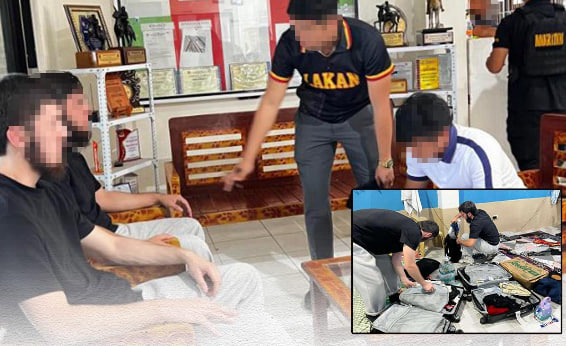
On December 23 a group of 14 officers of the Uzbek National Security Service came to Hamzali Khidirov’s house. They have searched the house and found one hunting rifle, which was the property of a citizen of Uzbekistan. Khidirov was arrested and taken away in an unknown direction. For a long time there was no information about his whereabouts.
Hamzali is a shepherd and a hunter, – Ikboljon has said. – One day he met his colleague, a hunter from Uzbekistan from whom he was purchasing gunpowder and cartridges.
“One day they decided to hunt partridges and went to the mountains. When they returned back an Uzbek hunter stayed for a short period of time at Hamzali’s house and left his hunting rifle,” relatives of the convict reported.
The fact that Uzbek security services arrested Tajik citizen was confirmed by head of the administrative and legal department for Sughd province Sodik Bobojonov.
“We do aware of this fact and the case is investigated by the Tajik State National Security Committee’s border control unit and the police unit for Asht region,” Bobojonov has said.
The fact that Khidirov was already sentenced to jail shows that Tajik authorities failed to release him.
It should be noted that Sarvak village is surrounded by Papsky region of Namangan district of Uzbekistan.
In July last year Uzbekistan blocked the only road which links the village with Tajikistan. As a result, nearly 600 villagers were isolated. Sughd officials were trying to solve the issue with the road. Residents of Sarvak village were forced to travel to Tajikistan through a 50km long by pass road.
In late April Uzbek authorities have partially opened the road which links the village with Punuk Jamoat.