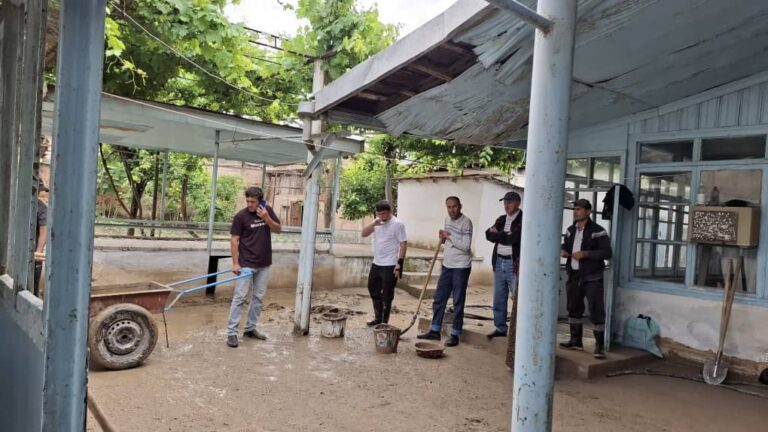
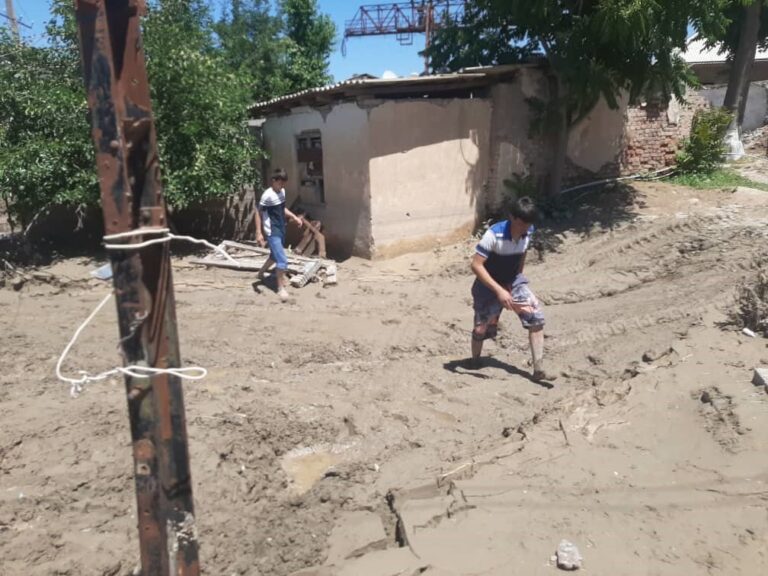
DUSHANBE, May 11, Asia-Plus – A new United Nations report on climate change says natural disasters such as mudslides and others could well become more severe and more frequent in Central Asia over the coming decades.
The report, issued by the UN’s Intergovernmental Panel on Climate Change (IPCC), paints a grim picture for Central Asian governments and policymakers. In the strongest warning yet issued about the influence of humans on the environment, the report says with “high confidence” that soon the region’s mountain ranges will not be able to provide the water necessary to support current agricultural practices.
“Climate Change 2007: The Physical Science Basis” is a summary of over 1,000 pages of findings made by the IPCC. The report initially forecasts avalanches, increased runoff and earlier spring peak discharge from glaciers and floods due to unseasonable rains. But by the end of the 21st century, disappearing glaciers in the Tien Shan, Pamir and Hindu Kush mountain ranges will result in decreased river flows and severe water shortages. Temperatures may experience a dramatic increase, while crop yields are forecast to fall 30 percent by 2050.
“The IPCC’s warnings about melting glaciers, floods and eventual water scarcity have been identified as one of the key vulnerabilities,” said John Coequyt, an energy and global warming specialist for Greenpeace. “It’s one of the report’s most important findings. But few governments worldwide understand this, and I don’t think any of the countries in Central Asia have taken it onboard.”
While rising temperatures may provide short-term benefits for the region’s lucrative cotton industry, the lack of ample irrigation may ultimately doom the cash crop. Mass unemployment looms in already unstable areas, especially in the Ferghana Valley, if Central Asia’s cotton sector collapses.
In Tajikistan, the cotton industry employs about 80 percent of the country’s rural labor force and the crop is the country’s second largest export. However, 75 percent of Tajikistan’s poorest citizens live in cotton growing areas, according to the World Bank.
To avoid economic and political disaster, experts say immediate water-sector and agricultural reforms are needed. Central Asia’s geography, which compels states in the region to share water resources, dictates an international solution.