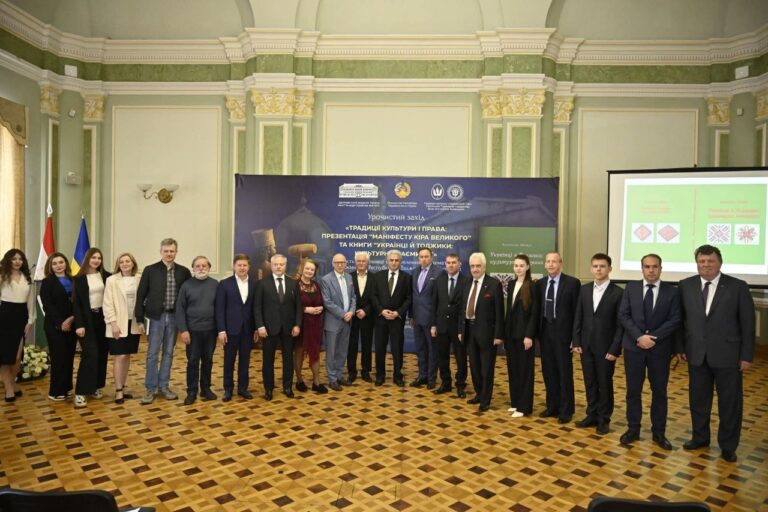
DUSHANBE, November 14, 2008, Asia-Plus — An interregional three-day meeting on problems of fish industry that was held in Dushanbe on November 10-12 ended with preliminary agreement to establish an intergovernmental fisheries body, Ahmadjon Ghafourov, the head of the state unitary enterprise Mohii Tojikiston (Tajikistan’s fishery), said in an interview with Asia-Plus.
According to him, the meeting participants will coordinate the issue with their governments within a month and than will gather for the next meeting to make the final decision on the establishment of the intergovernmental fisheries body that is dedicated to lead efforts to rescue fisheries and aquaculture in Central Asia and promote their future sustainable development.
The Mohii Tojikiston top manager noted that there were now eight large and 14 small fisheries in the country. “14 of them have been granted operating license this year and eight others are still being registered,” Ghafourov said, noting that over the first nine months of this year, Tajik fisheries have produced 131 tons of fishes, which is 15.5 tons more than in the same period of 2007.
According to him, the interregional meeting participants included representatives of Tajikistan, Armenia, Azerbaijan, Georgia, Kazakhstan, Kyrgyzstan, Turkmenistan and Uzbekistan.
We will recall that the meeting, staged by the Ministry of Agriculture (MoA) in cooperation with the UN Food and Agriculture Organization (FAO), discussed issues related to reestablish and expand regional cooperation in fisheries that had been missing in Central Asia for almost two decades.
According to a background report prepared by FAO for the meeting, multiple factors have combined to produce the collapse. These include: overfishing and poor management; dramatic cuts to investment in research and production facilities; decreased spending on maintenance of fleets and hatcheries; weak management of water bodies and other ecological problems, including pollution of rivers; and lack of investment in modern processing and marketing facilities and equipment.