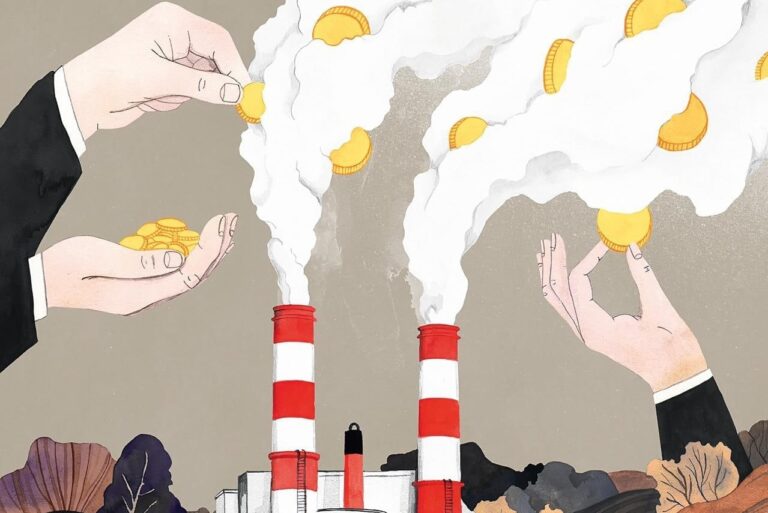
DUSHANBE, January 28, 2011, Asia-Plus — Although the world is on a recovery path from the global economic crisis, action is still needed to address key constraints in the international economy and financial system, including high unemployment and banking problems in advanced economies and risks of overheating in emerging markets, according to the International Monetary Fund (IMF).
The IMF released updates to its two flagship analyses, the World Economic Outlook (WEO) and the Global Financial Stability Report (GFSR), showing that the world is in a two-speed economic recovery, with advanced economies still recovering slowly and emerging markets and even some low-income countries relatively buoyant. Global output is projected to expand by about 4½ percent in 2011, an upward revision of about a ¼ percentage point relative to the October 2010 WEO. IMF economists said this reflects stronger-than-expected activity in the second half of 2010 as well as new policy initiatives in the United States that will boost activity this year.
Overall, advanced economies are projected to grow by 2.5 percent in 2011, with emerging and developing economies seeing growth of 6.5 percent, against 7.1 percent last year.
The WEO Update says the most urgent requirements for robust recovery are comprehensive and rapid actions to overcome sovereign and financial troubles in the euro area and policies to redress fiscal imbalances and to repair and reform financial systems in advanced economies more generally. These need to be complemented with policies that keep overheating pressures in check and facilitate external rebalancing in key emerging economies.
Upward pressure on commodity prices is expected to persist in 2011, due to continued robust demand and a sluggish supply response to tightening market conditions. As a result, the IMF’s baseline petroleum price projection for 2011 is now $90 per barrel, up from $79 per barrel in the October 2010 WEO.
As for non-oil commodities, weather-related crop damage was greater than expected in late 2010, and prices are likely to fall back only after the 2011 crop season. As a result, non-oil commodity prices are expected to increase by 11 percent in 2011.
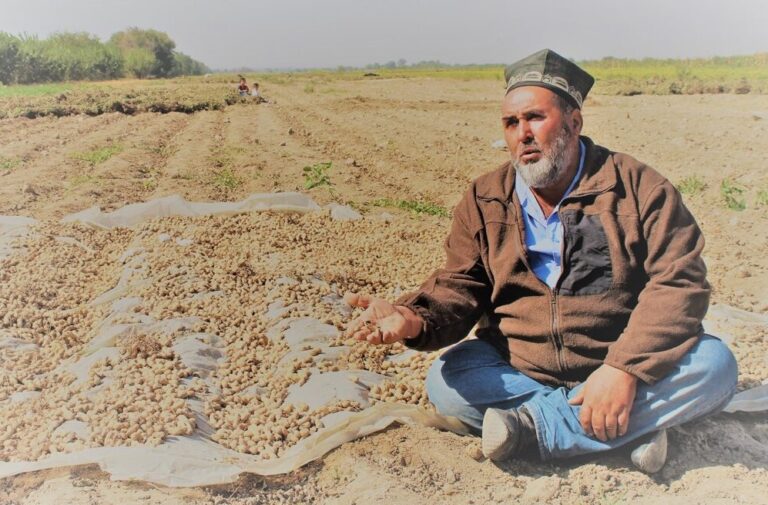
Although inflation is generally under control in advanced economies, the recent bout of high food price inflation in some emerging markets has been quite persistent, straining the budgets of low-income households and beginning to feed into overall price inflation in a number of economies.
More important, rapid growth in emerging and developing economies has narrowed or in some cases closed output gaps in these economies. Accordingly, risks of overheating have increased. Consumer prices in these economies are projected to rise 6 percent this year, an upward revision of ¾ percent relative to the October 2010 WEO.
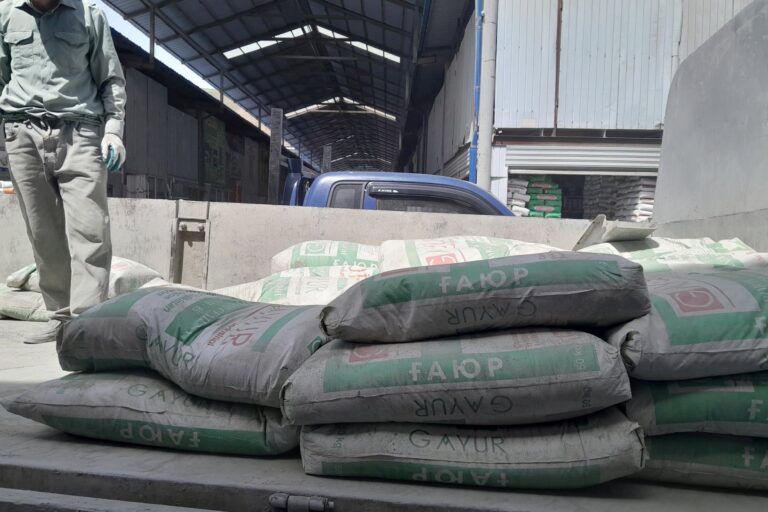
In the meantime, according to the data from the Tajik Ministry of economic Development and Trade (MEDT), Tajikistan’s inflation for 2011 stood at 9.8 percent and 13.5 percent increase in prices of products of food industry was reported last year. The MEDT experts link food price hike to increasing prices of oil products. Compared to 2009 oil product prices in Tajikistan last year rose on average 43 percent.