DUSHANBE, Aril 9, 2011, Asia-Plus – Dekhkan (peasant) farms are seeking a legal entity status.
Chairman of the National Association of Dekhkan (Peasant) Farms (NADF) of Tajikistan Azizbek Sharifov remarked this here on April 8 at a meeting with members of the Majlisi Namoyandagon (Tajikistan’s lower chamber of parliament).
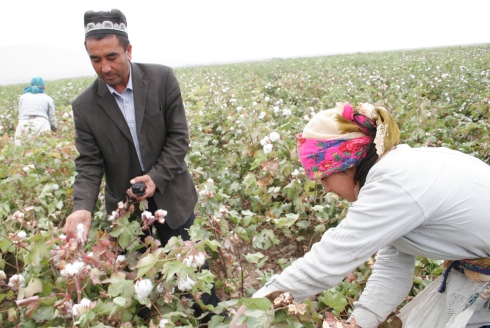
Sharifov considers that dekhkan farms may become real owners of their properties only if they get the legal entity status.
“Land is granted to dekhkan farms and they may use it in their own way, but since these farms are not legal entities, property, equipment and infrastructure are in hands of state,” said Sharifov, “Farmers, for example, do not have the right to sell old equipment in order to buy the new one. Subdivisions of the State Committee on Investments and State-owned Property Management still deal with this by organizing auctions.”
Since dekhkan farms do not have the legal status, they cannot conduct negotiations, at proper level, with banks and donors on financing, the NADF head noted.
“The country’s legislation regulating activities of dekhkan farms is good as a whole, but a mechanism of implementation of this legislation leaves much to be desired,” he said, adding that it is necessary to make amendments to the legislation.
In the meantime, MP Muhddin Kabiri, who is also leader of the Islamic Revival Party (IRP), noted that the country’s legislation was good and did not require any serious amendments.
According to him, dekhkan farms are coming under pressure from local authorities because of their vacillation. MP noted that local authorities made farmers sell their products at various exhibitions and fairs at lower prices. “Farms bear losses, and therefore, they cannot function normally,” Kabiri said.
“Tajikistan is an agrarian country and some 70 percent of the population depends on agriculture for their livelihoods, but neither parliament nor public associations lobby farmers’ interests,” he added.
According to the Majlisi Namoyandagon Committee on Agriculture and Employment, more than 55,000 dekhkan farms have been registered in Tajikistan to date.