
DUSHANBE, June 29, 2011, Asia-Plus — Acting Political Counselor at the United States Mission to the OSCE, Patrick Connell, delivered a statement at OSCE on Tajikistan’s Parental Responsibility Law on June 23.
Mr. Connell, in particular, noted that the United States wished to express its concern and disappointment that the lower house of Parliament in Tajikistan approved the “law on the responsibilities of parents in raising children.”
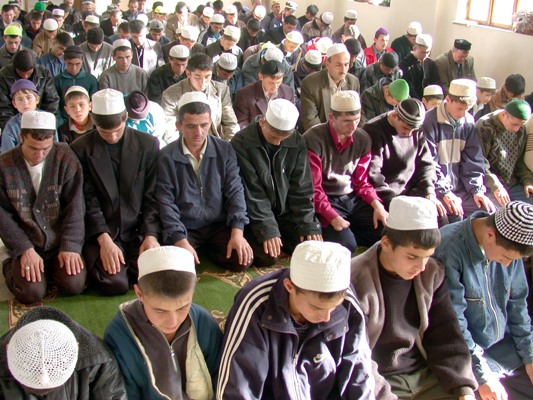
According to him, despite repeated protests from Tajikistan’s civil society, its citizens, and the international community, the Parliament has approved a law that grants the state power to interfere in family life and includes a ban on youth participation in religious communities, with very limited exceptions. If the ban is signed into law, it would effectively deny the right to worship to millions of citizens of Tajikistan under the age of 18, Mr. Connell said.
“We note that the government already supports a de facto ban on women attending mosques.” said the political counselor. “A government’s systematic, ongoing, and egregious violations of religious freedom are considered the threshold required for a Country of Particular Concern (CPC) under The International Religious Freedom (IRF) Act of 1998.”
“As we had advised the government of Tajikistan when it was considering the legislation, clauses in the parenting law constitute a significant violation of Tajikistan”s international human rights obligations, its constitutional guarantees to freedom of religion, and its freely undertaken OSCE commitments. We note that much of the support for the draft law comes from those advocating for the state’s responsibility to provide an education to its youth. Though we concur that states should ensure that every child has access to education, banning participation in religious communities is neither an acceptable nor an effective way of doing so. School attendance and participation in religious communities are not mutually exclusive. Though a state may insist that children attend school, it should not ban participation in religious communities outside of school hours.”
Mr. Connell also noted that the United States is also concerned that although thousands of Tajik citizens, including members of civil society and religious communities, expressed their concern with many elements of the law, the draft considered and approved by parliament contained few significant changes from the version proposed by the presidential administration. “We call on the Upper House of Parliament and the President of Tajikistan to consider returning the parenting law to the lower house for significant revisions, including a removal of the ban on participation in religious communities.”
We will recall that the draft law on holding parents responsible for their children’s action and education, submitted to the parliament by President Emomali Rahmon, was approved by the lower house of parliament on June 15. It must still be approved by the upper house and signed by the president before going into effect.
