DUSHANBE, May 29, 2013, Asia-Plus – Tajik Minister of Energy and Industries, Gul Sherali, has held a number of bilateral meetings in Vladivostok, Russia on the sidelines of the ongoing Asian and Pacific Energy Forum (APEF 2013).
According to the Tajik MFA information department, Gul Sherali on May 29 met in Vladivostok with Mr. Alexander Novak, Minister of Energy of the Russian Federation.
The two reportedly considered issues related to state and prospects of further expansion of bilateral energy cooperation between Tajikistan and the Russian Federation as well as implementation of joint energy projects.
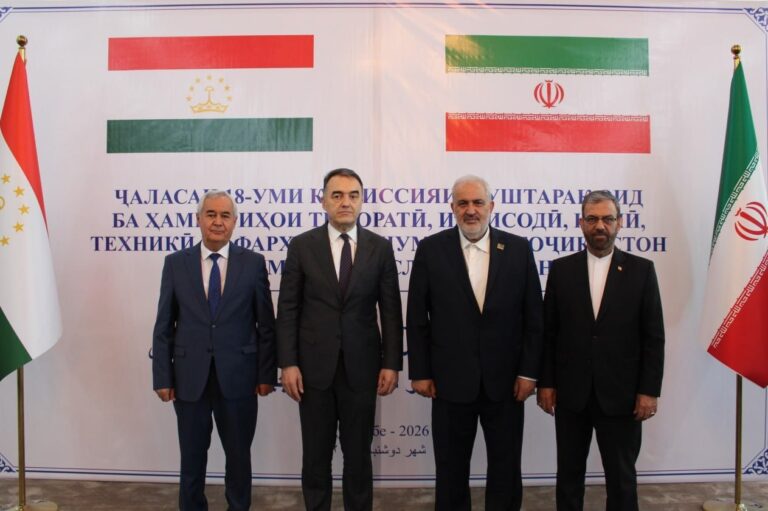
Similar issues were reportedly discussed at a meeting of Gul Sherali with Mr. Majid Namjou, Minister of Energy of the Islamic Republic of Iran that took place in Vladivostok on the same day.
Tajik Minister of Energy and Industries Gul Sherali is expected to deliver a statement at APEF 2013 on May 30. In his statement, Tajik minister will outline the main directions of development of Tajikistan’s energy sector and proposals of our country on establishment and expansion of energy cooperation in the Asia and the Pacific region, the source said.
Convened by the UN Economic and Social Commission for Asia and the Pacific (ESCAP), the Asian and Pacific Energy Forum kicked off on May 27 and will run through May 30.
APEF 2013, which is the first ministerial conference of its kind to bring together 62 member states and associate members from the Asia-Pacific region on energy, aims to promote regional cooperation for enhanced energy security and the sustainable use of energy. It is expected that a Ministerial Declaration and Regional Plan of Action will be agreed, addressing energy issues from access, efficiency and renewables to connectivity and trade, within the overall context of sustainable development and in connection with the UN SG”s global initiative, Sustainable Energy for All.
Energy security issues in Asia and the Pacific are the focus of APEF’s deliberations. The forum has provided a unique platform for the exchange of views on all vital aspects of the region’s energy challenges, as well as offered an opportunity for joint development of corresponding solutions that are acceptable for all ESCAP member and associate member nations.