
DUSHANBE, October 2, 2013, Asia-Plus – The Central Commission for Elections and Referenda (CCER) says they cannot lower the electoral 5-percent threshold.
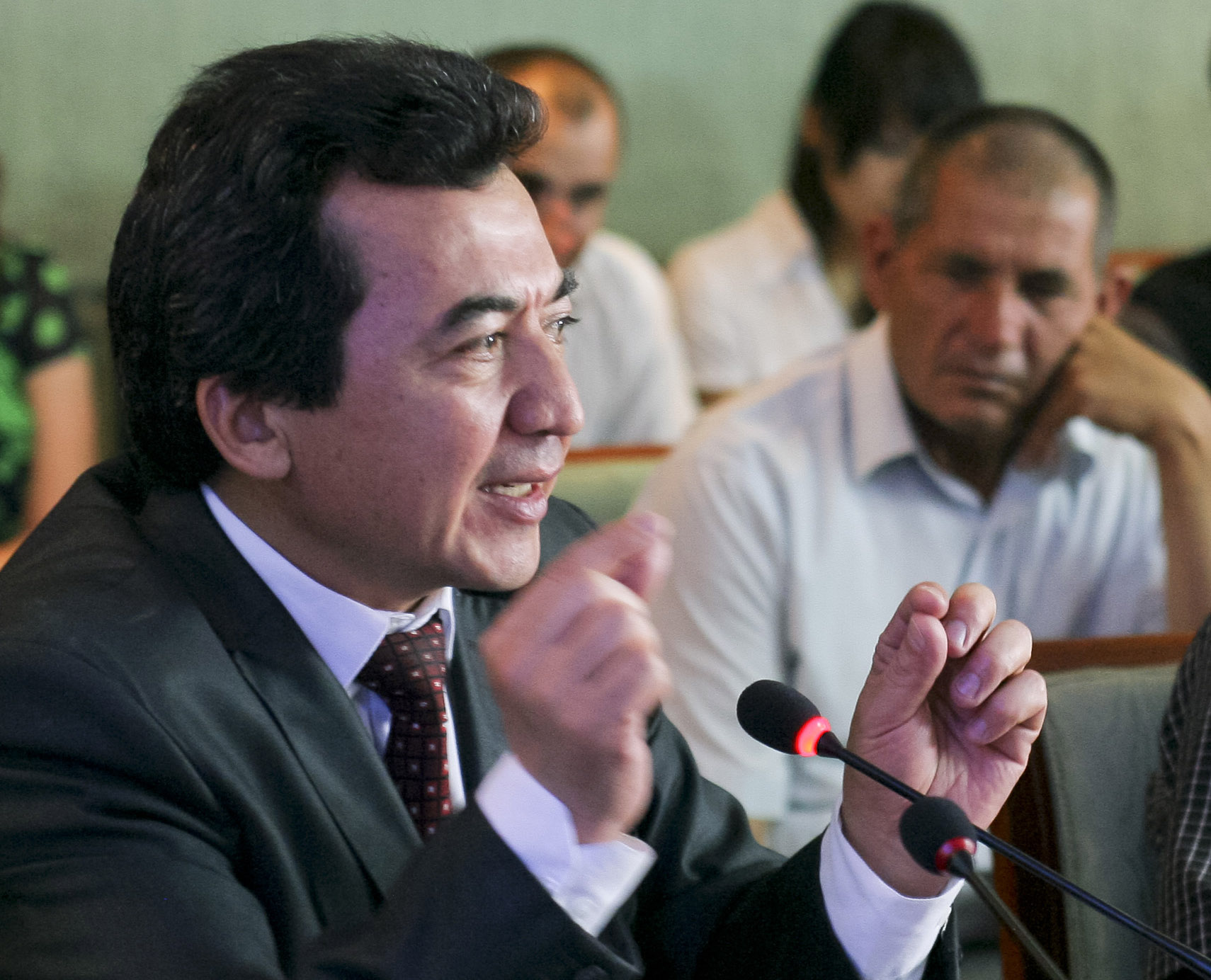
“The CCER cannot to accept a proposal of the Tajik Association of Reformist Forces (TARF) to allow collecting signatures needed in support of candidacy among Tajik labor migrants working abroad or to exclude labor migrants from a total number of voters and thereby lower the percentage of signatures,” Abdumannon Dodoyev, the head of the CCER’s office, told Asia-Plus in an interview Wednesday afternoon.
“We have considered this issue but this proposal contradicts Article 65 of the Constitution, which requires nominated candidates to support their candidature with signatures from 5 per cent of the electorate, and therefore, we cannot do this,” said Dodoyev. “They do not understand; we do not deprive labor migrants of voting. The CEER decision [to take into account only signatures collected inside the country] has been made in connection with the fact that the country’s legislation does not determine the procedure of collection of signatures abroad. The signature collection forms may be certified only by heads of hukumat, while we do not such an opportunity abroad. Tajik missions abroad do not have the right of certifying the signature collection forms.”
Under Tajikistan’s legislation, nominated candidates are required to support their candidature with signatures from 5 per cent (210,000 signatures) of the electorate within a 20-day period. According to some sources, there are around 4 million voters in Tajikistan, including some 900,000 residing abroad.
Many local experts and representatives of some political parties say that the electoral 5-percent threshold, in combination with a short period of time, presents significant obstacles to registering as a candidate.
We will recall that amendments proposed to the presidential election law by the Islamic Revival Party (IRP) in November 2012 and May 2013 sought to lower the percentage of signatures from five to two percent and to provide equal representation of political parties in election commissions at all levels. The amendments were rejected at committee level and did not receive a formal reading in parliament.
