DUSHANBE, July 22, 2015, Asia-Plus — A conference dedicated to the promotion of Fairtrade principles in Central Asia will take place at Bahoriston resort in Sughd province on July 27-29, according to the Delegation of the European Union to Tajikistan.
The event is organized by a group of Central Asian organizations in cooperation with Hilfswerk Austria International, as part of the project, Economic Development in Central Asia by Promoting Business Intermediary Organizations and SMEs in the Processing Sector, financed by the European Union Program “Central Asia – Invest III.”
The initiative is joined by the UNDP Regional Project “Wider Europe: Aid for Trade for Central Asia” and GIZ Regional Program “Support of Regional Economic Cooperation in Central Asia.”
Objectives of the conference include the establishment of local and regional cooperation in promotion, expansion of initiatives aiming to implement the Fairtrade standard in the region and exchange the experiences between all stakeholders.
The conference participants will include farmers’ cooperatives, food-processing SMEs, exporters, representatives of business intermediary organizations and a number of development projects from Tajikistan and Kyrgyzstan, to the total tune of about 45 people.
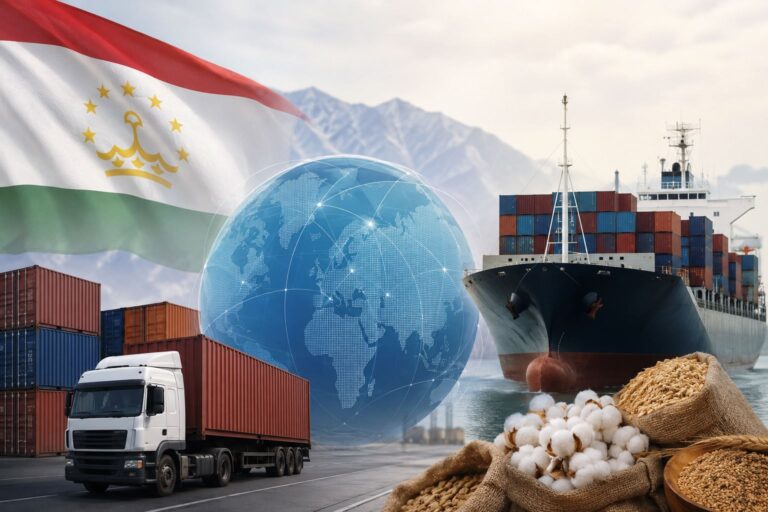
The international non-governmental organization Hilfswerk Austria International implements in equal partnership with regional organizations in Central Asia its third project as part of the “Central Asia – Invest” program of the European Union. This series of projects, which have been implemented for the last five years by a joint team of six regional and international organizations, aims at Central Asia’s integration into the global economy by developing the fruit and vegetable processing sector as well as increasing the competitiveness and export capacity of SMEs.
UNDP Regional Project “Wider Europe: Aid for Trade for Central Asia” supports inclusive growth and assist the national efforts to reduce poverty and improve people’s lives by promoting trade and competitiveness of the country. The main objective of the project is to contribute to human development through advancing trade, with special attention on the crosscutting themes of gender equality, rights of the most vulnerable groups in society, and environmental sustainability, among others. (The project implemented in Tajikistan, Kyrgyzstan and Uzbekistan). UNDP partners with people at all levels of society to help build nations that can withstand crisis, and drive and sustain the kind of growth that improves the quality of life for everyone. On the ground in 177 countries and territories, we offer global perspective and local insight to help empower lives and build resilient nations.
GIZ Program “Support of Regional Economic Cooperation in Central Asia” is aimed to increase regional cooperation in order to facilitate intra-regional and international trade in Central Asia by reduction of administrative and technical barriers. Regional approach is primary as it allows to study from experience of neighboring countries and opens a way to new cross-border decisions.
Deutsche Gesellschaft für Internationale Zusammenarbeit (GIZ) GmbH (The German international cooperation) is the federal company of Germany operating in 130 countries of the world. GIZ gives support to the Government of the Federative Republic of Germany in realization of its purposes in the sphere of the international cooperation for assistance to a sustainable development. Besides, GIZ actively participates in the international educational and educational work, and also helps people and societies to improve own prospects and living conditions.