

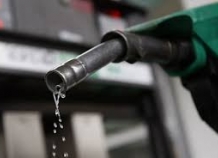
DUSHANBE, June 24, 2016, Asia-Plus – Tajikistan has reportedly reduced fuel imports despite increasing demand for petroleum, oil and lubricants (POL) in the country.
Over the first five months of this year, Tajikistan has imported 417,800 tons of oil products, which was 5,000 tons fewer than in the same period last year, according to the Ministry of Energy and Water Resources (MoEWR).
An official source at a MoEWR says a totaled included 178,400 tons of gasoline (28,500 tons fewer than in January-May 2015), 85,500 tons of diesel fuel (24,300 tons fewer), 16,900 tons of aviation fuel, and 139,000 tons of liquefied gas.
Russia provides the bulk of Tajikistan’s oil product imports and Kazakhstan provides the bulk of Tajikistan’s liquefied gas imports.
We will recall that under the indicative fuel balance endorsed for 2016, Russia is expected to supply 830,000 tons of oil products free of duty to Tajikistan this year. A totaled will include 260,000 tons of gasoline, 310,000 tons of diesel fuel as well as other oil products.
Last year, Tajikistan imported only 560,000 tons of duty-free oil products from Russia though the indicative fuel balance for 2015 provided for supplying 830,000 tons of duty-free oil products to the country.
In 2014, Tajikistan managed to import only 576,000 tons of duty-free oil products from Russia though the indicative fuel balance for 2014 provided for supplying 1 million tons of duty-free oil products to Tajikistan.
Tajikistan was exempted from paying Russian tariffs on oil and gas exports from 1995-2010 and Russia cancelled Tajikistan’s tax exemption on May 1, 2010 that resulted in gasoline prices rising in the country.
The agreement on duty-free Russian oil product deliveries to Tajikistan was signed between the governments of Russia and Tajikistan in Moscow on February 6, 2013.
Under this agreement, the sides consider and endorse the indicative fuel balance for the next calendar before October 1 of each year. Fuels delivered in addition to the indicative fuel balance will be liable to export duty.
Russian oil products delivered to Tajikistan in the volumes not exceeding those agreed on indicative balance are not subject to re-export to the third countries.
