DUSAHNBE, July 1, 2016, Asia-Plus — A law banning cousin marriages takes effect in Tajikistan starting from today.
The law banning marriages between blood relations was adopted in January after years of heated debate in media.
We will recall that Tajikistan’s lower house (Majlisi Namoyandagon) of parliament on January 13 endorsed a bill amending the country’s law on registration of acts of civil status and family code.
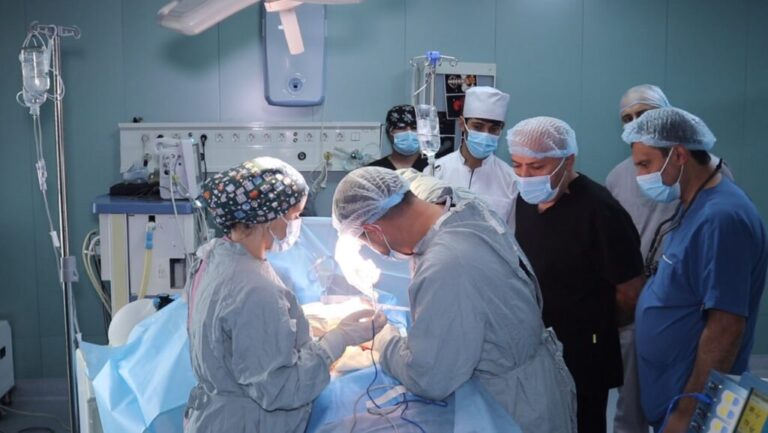
The amendments offered to the family code and the law on registration of acts of civil status by the government, in particular, required couples who want to marry to undergo a mandatory medical examination.
Beginning on July 1, 2016, couples who want to marry have to undergo the mandatory medical examination.
However, after familiarizing themselves with medical opinion couples will decide themselves weather to enter into marriage or not.
The push to mandate the exams comes after President Emomali Rahmon in January this year instructed the government to ban consanguineous marriages – marriages between first cousins and other blood relations – which he blamed for causing the majority of disabilities among Tajik children.
Under 2006 legislation, genetic and virginity tests are currently available free-of-charge in Tajikistan – but they are not mandatory.
Meanwhile,
Radio Liberty’s Tajik Service
reports that civil registry offices across Tajikistan say that in recent months they have noticed a rise in the number of applications for marriage licenses, a phenomenon they attribute to people trying to beat the ban on consanguineous unions.
“We are getting unprecedented number of applications from young couples, most of whom are first cousins,” an official from the Dushanbe civil registry department told
RFE/RL”s Tajik Service
on condition of anonymity.
Public divided on this issue.
Supporters of the ban argued that children from first cousins run higher risk of birth defects and genetic illnesses.
Those who oppose the ban called for more scientific research to link birth defects to consanguineous marriages.
The Ministry of Health said it has registered more than 25,000 disabled children across the country, 30 to 35 percent of them born to consanguineous marriages.
State media and government officials have continued an unofficial campaign to raise awareness about the perceived risks of the marriage between blood relatives.
RFE/RL’s Tajik Service
reports that according to official statistics, at least 60 first-cousin marriages took place in the first quarter of 2016, although there are no figures for comparison to previous years.
Authorities reportedly suspect the real figure could be higher, though.