DUSHANBE, July 12, 2016, Asia-Plus – A meeting of the Organizing Committee for High-Level International Symposium on SDG 6 and Targets Ensuring that No One Is Left Behind in Access to Water and Sanitation, presided over by Prime Minister Qohir Rasouzloda, took place on July 12, according to the Prime Minister Secretariat.
Foreign Minister Sirojiddin Aslov, Minister of Energy and Water Resources Usmonali Usmonzoda, and Finance Minister Abdusalom Qurboniyon reported on preparations for the symposium.
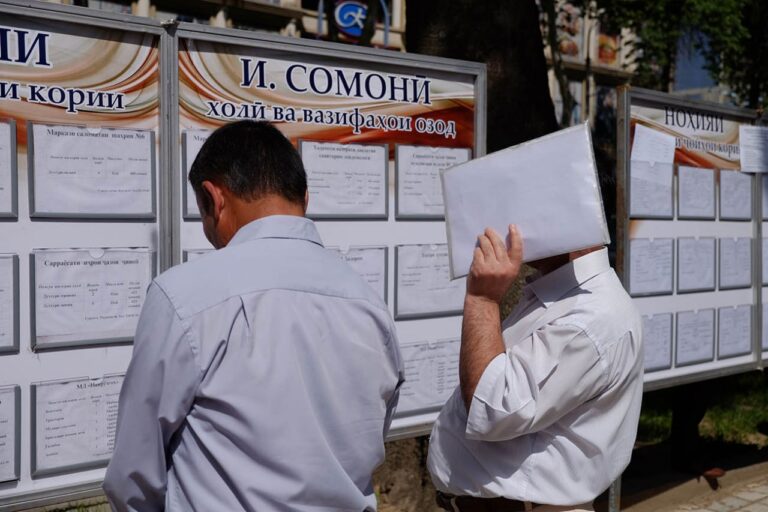
Co-organized by UN-DESA and the Government of Tajikistan, the Symposium will take place at the Kokhi Somoniyon in Dushanbe from August 9-11, 2016.
The Symposium reportedly offers a platform for government officials, water policy makers and experts, businesses and civil society representatives to discuss how to implement SDG 6 and its related targets, including through an international decade of water for sustainable development, currently under consultation initiated by Tajikistan.
The Symposium seeks to provide a platform for a focused and balanced discussion on policy measures, actions and means of implementation to fast-track implementation of the water SDG and related targets. The Symposium will undertake an evidence-based assessment of recent country experiences in advancing integrated water resource management, by sharing lessons learned and good practices in improving access to water, sanitation and hygiene, in increasing water use efficiency, reducing water pollution, protection of water basins and ecosystems and advancing international cooperation and partnerships.
Participants will also identify and discuss obstacles encountered and explore opportunities for regional and multilateral cooperation and partnerships. To this end, it is expected that the Symposium will also provide an occasion for announcing concrete partnership initiatives.
The United Nations notes that clean, accessible water for all is an essential part of the world we want to live in. There is sufficient fresh water on the planet to achieve this. But due to bad economics or poor infrastructure, every year millions of people, most of them children, die from diseases associated with inadequate water supply, sanitation and hygiene.
Water scarcity, poor water quality and inadequate sanitation negatively impact food security, livelihood choices and educational opportunities for poor families across the world. Drought afflicts some of the world’s poorest countries, worsening hunger and malnutrition.
By 2050, at least one in four people is likely to live in a country affected by chronic or recurring shortages of fresh water.
Ensuring universal access to safe and affordable drinking water by 2030 requires we invest in adequate infrastructure, provide sanitation facilities and encourage hygiene at every level, UNDP says. Protecting and restoring water-related ecosystems such as forests, mountains, wetlands and rivers is essential if we are to mitigate water scarcity. More international cooperation is also needed to encourage water efficiency and support treatment technologies in developing countries.
Universal access to clean water and sanitation is one of 17 Global Goals that make up the 2030 Agenda for Sustainable Development. An integrated approach is crucial for progress across the multiple goals.