Tajikistan ratifies extradition agreement with Afghanistan

Tajikistan’s lower house (Majlisi Namoyandagon) of parliament on February 16 ratified an agreement on extradition between Tajikistan and Afghanistan. Presenting the document to law makers, First Deputy Interior Minister, Abdurahmon Alamshozoda, noted that the parties would extradite to each other, pursuant to the provisions of the agreement, persons sought by the authorities in the requesting […]

Asia-Plus

Tajikistan’s lower house (Majlisi Namoyandagon) of parliament on February 16 ratified an agreement on extradition between Tajikistan and Afghanistan.

Presenting the document to law makers, First Deputy Interior Minister, Abdurahmon Alamshozoda, noted that the parties would extradite to each other, pursuant to the provisions of the agreement, persons sought by the authorities in the requesting state for trial or punishment for extraditable offenses.

The deputy head of the Majlisi Namoyandagon Committee on Defense, Security and Law-and-Order, Zayniddin Safarov, noted that ratification of the document would promote further expansion of cooperation between the two countries in searching for criminals and extraditing them.  

The agreement on extradition between Tajikistan and Afghanistan was signed in Dushanbe on May 10, 2016 during Afghan President Ashraf Ghani’s visit to Tajikistan
Join us on social media!

Article translations:

Related Article

Оби зулол
Оби зулол
Дидитал Бизнез Астана

Most Read

Recent Articles

The Taliban officially legalize child marriages: a bride’s silence is now considered a sign of consent

The new law allows marriages of underage boys and girls, and even not the closest relatives can negotiate the conclusion of such a marriage.

Tajikistan, Kazakhstan increase mutual road freight transport

The transport ministers of the two countries discussed the further development of cooperation.

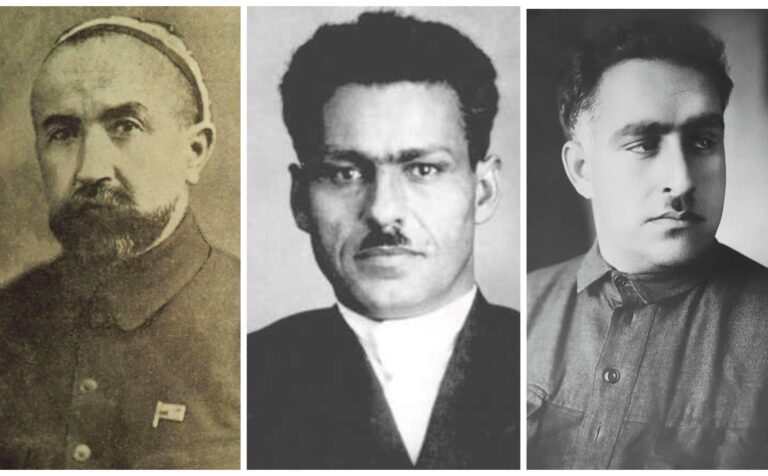
Capsules with soil from the graves of the founders of Soviet Tajikistan were handed over to Sirojiddin Muhriddin

Nusratullo Maksum, Shirinsho Shotemur, and Nisor Muhammad are buried in mass graves at the Donskoye Cemetery in Moscow.

By 2034, Central Asia will be more dependent on food imports

The population of the region will have increased by 14.5% by that time.