A new project of the United Nations Development Programme (UNDP) and the Global Environment Facility (GEF) aimed at supporting conservation of snow leopard in Tajikistan has been presented in Khorog, the capital of the Gorno Badakhshan Autonomous Region (GBAO).
The project, Conservation and Sustainable Use of Pamir Alay and Tien Shan Ecosystems for Snow Leopard Protection and Sustainable Community Livelihoods, aims to support implementation of priorities provided for by the national plan of actions on conservation and protection of snow leopard in Tajikistan.
The project will be implemented in Tajikistan during three years.
The main objective of the project is in demonstrating viability of landscape approach to conservation of internationally important biodiversity, land and forest resources in Tien Shan and Pamir Alay Mountain Ecosytems in harmony with sustainable development of local communities.
The project components include conservation of and sustainable management of Key Biodiversity Areas within landscape, ecosystem resilience and habitat connectivity in wider landscape outside protected areas, and support to international cooperation.
In October 2013, officials from the 12 snow leopard range countries gathered in Bishkek, Kyrgyzstan for the first Global Snow Leopard Conservation Forum. Following two years of intense preparations, all 12 governments signed the historic Bishkek Declaration on the Conservation of Snow Leopards and unanimously endorsed the Global Snow Leopard and Ecosystem Protection Program (GSLEP). The core of the GSLEP are the National Snow Leopard and Ecosystem Protection Priorities (NSLEP) documents, one for each range country, as well as a series of Global Support Components (GSCs), outlining how international organizations may best assist the countries' efforts, particularly in trans-boundary and range-wide contexts. UNDP and GEF are two such international organizations committed to contributing to the GSLEP through financial and technical support.
In Tajikistan, a 2012-2013 GEF SGP (Small Grants Program) project combined awareness raising about the importance of snow leopards with incentives for active support of snow leopard conservation by local communities. These efforts focused on reducing human-snow leopard conflict and diversifying livelihood options for both women and men. The project conducted trainings and provided materials to build reinforced shelters (koshaar) to protect livestock from depredation, as well as constructed two yurts (nomad tents) to promote tourism-related income generation from handicraft sales.
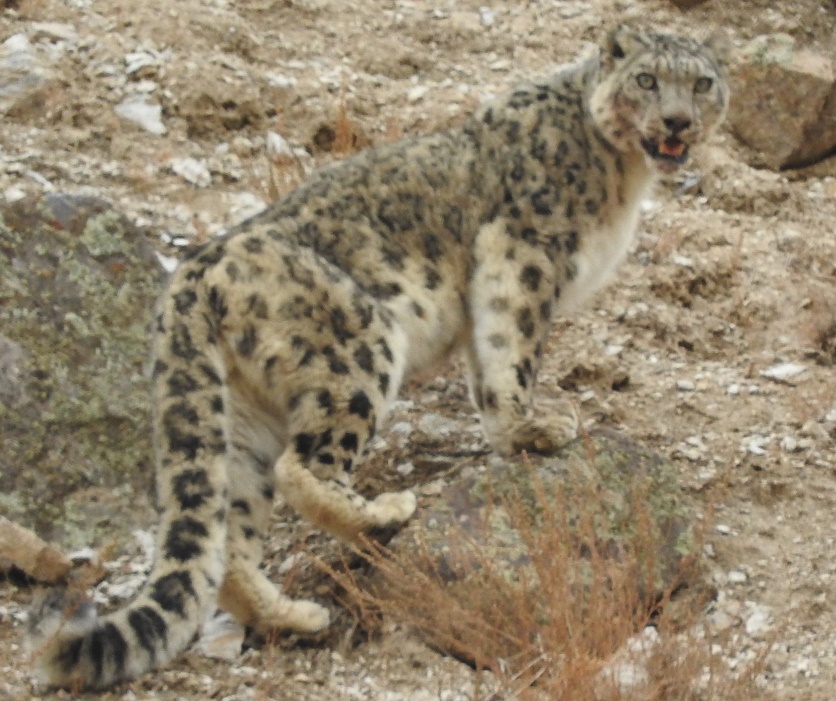
Snow leopards specialize in one of the harshest and most remote habitats on Planet Earth. Well-adapted to the cold, dry conditions, snow leopards roam the high mountains of Central and South Asia up to elevations of 3,000-4,000 meters or more. Steep slopes, rocky crags and rugged terrain provide ideal hunting grounds for snow leopards.
As of 2016, estimates for the size of the global population vary from at least 4,080 to about 8,700 individuals.
In Tajikistan, the total habitat area for snow leopards is about 85,700 km, which represents 60% of the total territory of the country. According to local experts there are approximately 260 snow leopards. However there are significant threats to snow leopards in Tajikistan including loss of prey, poaching, lack of awareness among decision makers and local population on importance of snow leopard conservation and poor implementation of legislation which protects snow leopards and other endangered wildlife in the country.