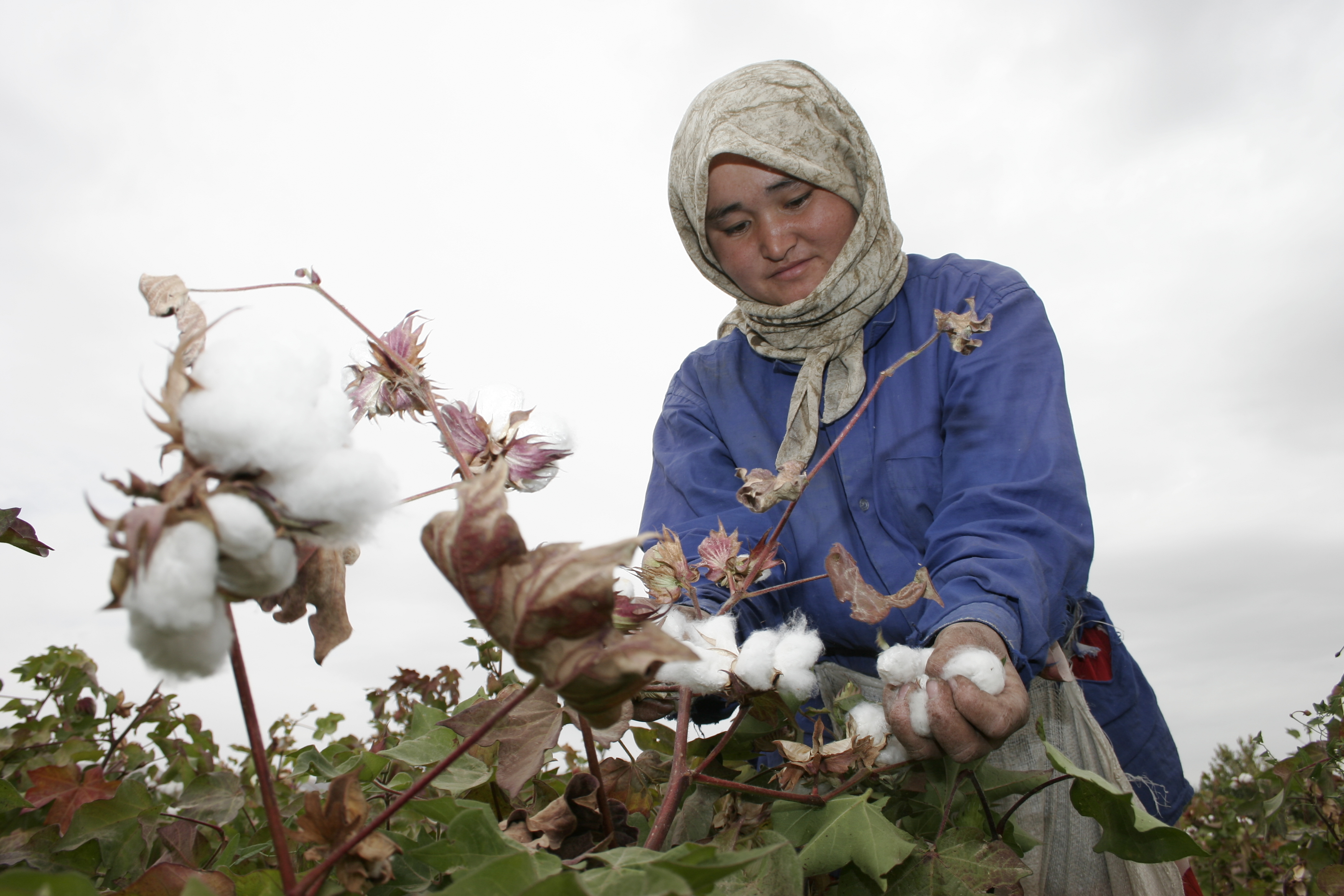
The Tajik authorities reportedly again make farming units plant cotton instead of wheat, vegetables, and melons and gourds. Meanwhile, some peasants who annually leased lands from farming units have refused to conclude contracts for the next year. They do not want to cultivate cotton.
Najmiddin is a typical representative of such peasants. Over the last five years, he has leased 2-3 hectares of land from neighboring farming unit. At first, he has planted cereals, primarily wheat. He has yielded wheat in late May and then planted various vegetables and rice. Thus, he has had two crops a year. The wheat crop has reportedly covered his expenses, including taxes and rental payment, while the second crop (vegetables and rice) has earned him a profit.
“Last year, I paid rent at the rate of 6,000 somoni per hectare. This year, I have refused to conclude a contract because they said that I cannot plant wheat,” Najmiddin told Asia-Plus in an interview.
“Expenses on cotton cultivation are not less than 30,000 per hectare, while you will not earn more than 15,000 somoni from one hectare,” the peasant said.
Meanwhile, rumors about unspoken ban on wheat cultivation have cause panic among millers.
A miller from the Shahritous district (Khatlon province) has applied to Asia-Plus, saying that there are rumors in Shahritous that local authorities have ordered to shut down all traditional mills in the district. “The government is said to be able to meet population’s requirements in wheat flour and there is no need in traditional old mills. The flour made by such mills is not enriched with vitamins and allegedly injurious to health,” the miller said.
Meanwhile, as it turned out there is no order to shut down mills, but millers will just have no work because areas under wheat will be reduced in the country.
“Recommendations” to increase areas under cotton are probably connected with the rise in the international cotton prices.
However, none of officials says that there is an instruction banning farmers from cultivating cereals.
Most farmers have taken the authorities’ recommendations as an order. According to farmers, local authorities make them allocate 40-50 percent of lands to cotton cultivation; otherwise, they threaten to destroy their planted wheat.
Recall, along with primary aluminum, cotton fiber has been one of major export items for Tajikistan. In 2015, cotton fiber accounted for 23.1 percent of Tajikistan’s exports. In 2016, cotton fiber’s share in Tajikistan’s exports fell to 16.1 percent.