CIS heads of government are holding an online conference on May 29 to discuss efforts to stop the spread of COVID-19 infection within the CIS area and mitigate its effects.
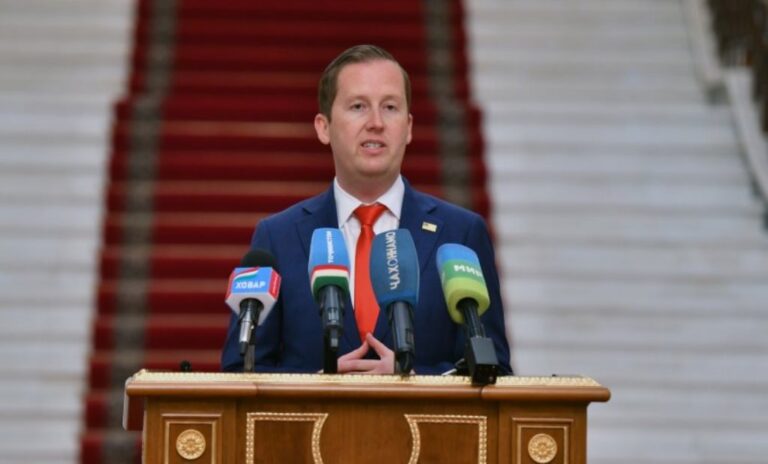
The meeting participants include prime ministers of Azerbaijan (Ali Asadov), Belarus (Sergei Rumas), Kazakhstan (Askar Mamin), Moldova (Ion Kik), Russia (Mikhail Mishustin), Tajikistan (Rasoul Qohirzoda) and Uzbekistan (Abdulla Aripov) as well as vice premiers of Kyrgyzstan (Erkin Asrandiyev), Armenia (Mger Grigoryan) and Turkmenistan (Rashid Meredov).
CIS Executive Secretary Sergei Lebedev will also attend the meeting that will be presided over by Uzbek Prime Minister Abdulla Aripov.
The conference’s agenda reportedly includes 15 issues related to the collaboration between the CIS member nations in the fields of transportation, construction, energy, education, tourism, sports, culture, youth cooperation and security.
The CIS Council of Heads of Government is also expected to take a look at the amendments to its regulations.
The CIS Council of Heads of Government was established on December 21, 1991. The council is the second major body in the CIS after the CIS Council of Heads of State, and consists of the prime ministers of all member states. The council coordinates the CIS member states' cooperation in economic, social and other areas of their common interests, and adopts corresponding decisions through consensus. A session of the CIS Council of Heads of Government is convened twice a year, normally in winter and autumn. Extraordinary meetings are summoned on the initiative of the government of a member state.
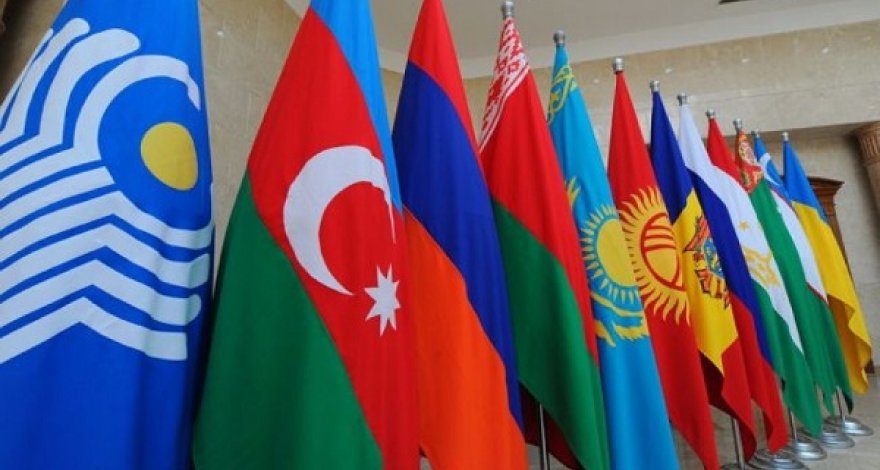
Established on December 8, 1991 after the dissolution of the Soviet Union, the Commonwealth of Independent States (CIS) is a regional organization. It now consists of Azerbaijan, Armenia, Belarus, Kazakhstan, Kyrgyzstan, Moldova, Russia, Tajikistan, Turkmenistan, Uzbekistan and Ukraine. Georgia pulled out of the organization in 2009.
Although Ukraine was one of the founding countries and ratified the Creation Agreement in December 1991, Ukraine chose not to ratify the CIS Charter as it disagrees with Russia being the only legal successor state to the Soviet Union. Thus it does not regard itself as a member of the CIS. In 1993, Ukraine became an "Associate Member" of CIS. On March 14, 2014, a bill was introduced to Ukraine's parliament to denounce their ratification of the 1991 Agreement Establishing the CIS, following the Russian military intervention in Ukraine and annexation of Crimea, but was never approved. Following the 2014 parliamentary election, a new bill to denounce the CIS agreement was introduced. In September 2015, the Ukrainian Ministry of Foreign Affairs confirmed Ukraine will continue taking part in CIS “on a selective basis.” Since that month, Ukraine has had no representatives in the CIS Executive Committee building. In April 2018, Ukrainian President Petro Poroshenko indicated that Ukraine would formally leave the CIS. On May 19, 2018, President Poroshenko signed a decree formally ending Ukraine's participation in CIS statutory bodies. However, as of 1 June the CIS secretariat had not received formal notice from Ukraine of its withdrawal from the CIS, a process which will take 1 year following notice being given. Ukraine has stated that intends review its participation in all CIS agreements, and only continue in those that are in its interests.