Indian man with ‘world’s largest family’ dies, leaving behind 38 wives and 89 children

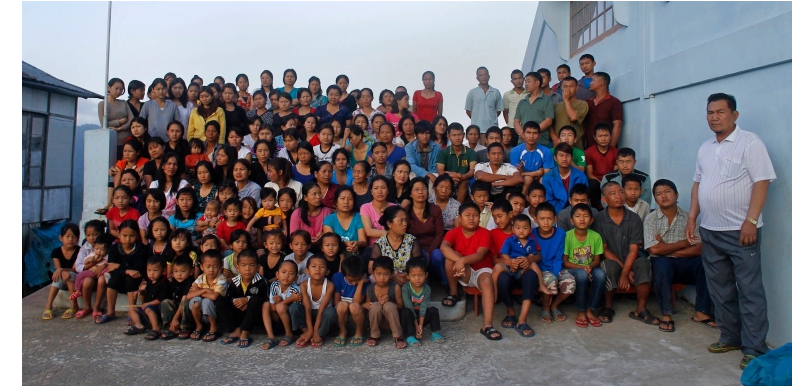
Media reports said an Indian man from the northeastern state of Mizoram, who is believed to have headed the “world’s largest family”, died on June 13.  Ziona Chana, 76, who headed a Christian sect that allowed polygamy for men, has left behind 38 wives and 89 children. According to Al Jazeera, the sect, called Chana […]

Media reports said an Indian man from the northeastern state of Mizoram, who is believed to have headed the “world’s largest family”, died on June 13. 

Ziona Chana, 76, who headed a Christian sect that allowed polygamy for men, has left behind 38 wives and 89 children.

According to Al Jazeera, the sect, called Chana Pawl, was founded by his father in 1942.  It has about 2,000 members, most of them living in Mizoram’s Baktawang village.

Mizoram and Baktawng Tlangnuam have reportedly become major tourist attractions because of Chana’s family.

Indian media reports said that according to officials, Chana, who also had 33 grandchildren, died due to complications related to diabetes and high blood pressure.

Chana reportedly married his first wife in 1959 when he was 17, reports said, and claimed he once married ten wives in a single year. His last marriage came in 2004 to a 25-year-old.

They shared a dormitory near his private bedroom, and locals said he liked to have seven or eight of them by his side at all times.

Polygamy is illegal under the Indian law. However, a few tribes in India’s northeast allow polygamy under their customary laws, which state authorities permit.


Join us on social media!

Article translations:

Related Article

Tenisi
Оби зулол
Оби зулол

Most Read

Коммерсбонк Точикистон

Recent Articles

RZD announces the restoration of passenger services between Moscow and Dushanbe

Direct rail services between the capitals of Russia and Tajikistan were suspended in March 2020 due to the COVID-19 pandemic.

#AP30/Stories. “Selam! Heller nichek?” How Tatars live today in Sughd province

On the 30th anniversary of "Asia-Plus," we continue to publish reports that remain relevant even after years. This story was told in 2021, and since then, little has changed in the life of the Tatar community in Tajikistan.

15,000 cameras, drones, and robots: how technology monitors pilgrims in Mecca and Medina

During Hajj 2026, Mecca and Medina were under unprecedented digital control.

Another child in Dushanbe removed from family and sent to boarding school

The Ministry of Internal Affairs reports that the parents did not pay adequate attention to the child.

Emomali Rahmon instructs to address issues in seed production following criticism of the industry

Issues have been noted with certification, seed quality, and the material and technical base of the industry.

Water, climate, and a $130 billion deficit: seven key outcomes of the Water Conference in Dushanbe

At the forum, countries and international organizations discussed new mechanisms for cooperation, investments, and technologies that are essential for addressing the global water crisis.

Eskhata Bank introduces a new generation children’s wallet

"Eshkata Bank" has created a full-fledged digital platform that helps children aged 7 to 16 learn how to manage money.