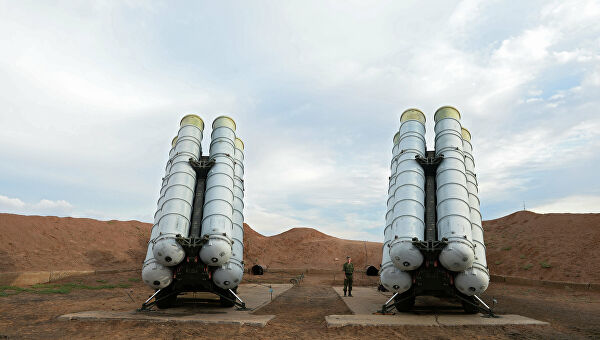
Russian President Vladimir Putin on November 23 sent a government-to-government agreement between Russia and Tajikistan on creation of an integrated air defense system to the State Duma (Russia’ lower chamber of parliament) for ratification
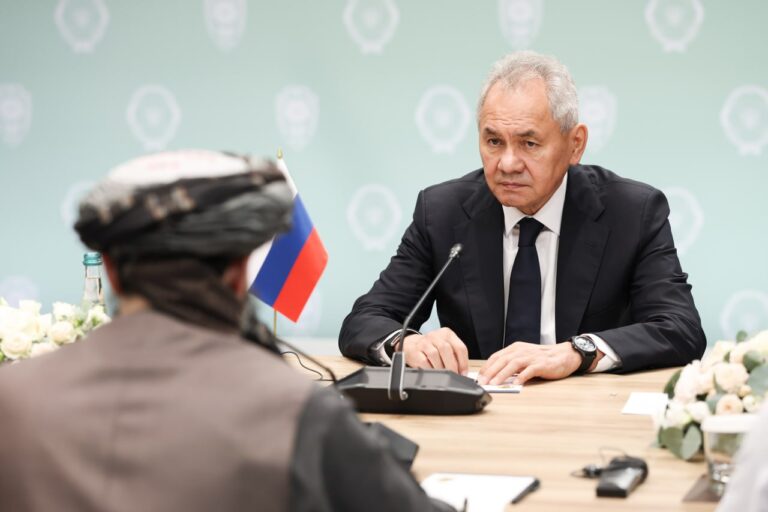
The agreement was signed by defense ministers of the two countries in Dushanbe on April 27, 2021. The integrated air defense system is reportedly designed to increase the reliability of the protection of the state border in the airspace
The agreement is concluded for an indefinite period, but each of the parties has the right to terminate it at any time by sending a prior written notification to the partner.
Tajikistan-Russia integrated air defense system will become a part of the unified air defense system of the CIS member states.
According to TASS, the CIS unified air defense system currently comprises 19 aviation units, 38 anti-aircraft missile formations, 15 radio-technical units, nine air defense brigades and three electronic warfare units. The national commands exercise command and control of these forces and capabilities while the chairman of the Air Defense Coordination Committee coordinates joint activities.
The CIS unified air defense system was established on 10 February 1995 by the Almaty agreement. The agreement was signed by Armenia, Belarus, Kazakhstan, Kyrgyzstan, Russia, Tajikistan, Georgia, Turkmenistan, Ukraine and Uzbekistan. Georgia and Turkmenistan ceased their membership in 1997, while Uzbekistan is maintaining cooperation with Russia on a bilateral basis. By decision of the Council of CIS Heads of Governments of November 3, 1995, an effective financing mechanism for the CIS air defense system was created from a targeted allocation of funds by participating states. Since September 1996, combat firing has been conducted by CIS air defense units. The first joint tactical exercises of the system "Combat Commonwealth – 98" were held in September 1998,. Such exercises have become traditional and are held once every two years.
Currently there are six de facto members of the CIS unified air defense system: Armenia, Belarus, Kazakhstan, Kyrgyzstan, Russia and Tajikistan. According to some sources, 70% of all expenditures of the military budget of the Commonwealth of Independent States are directed to the improvement and development of this system.