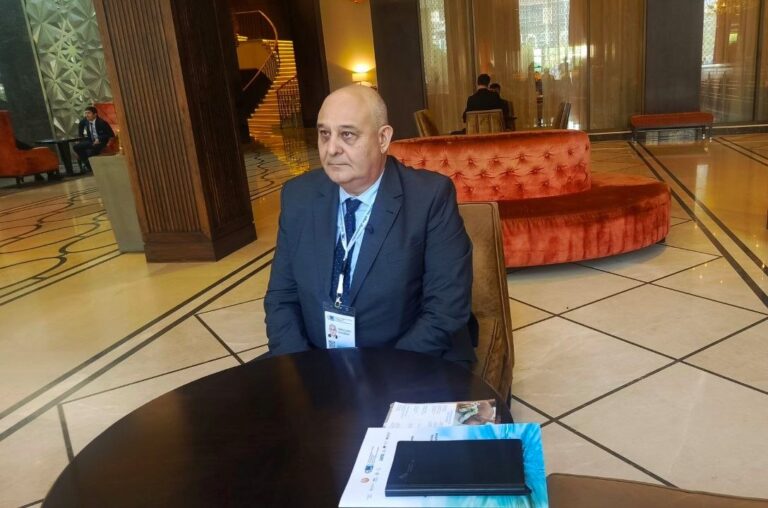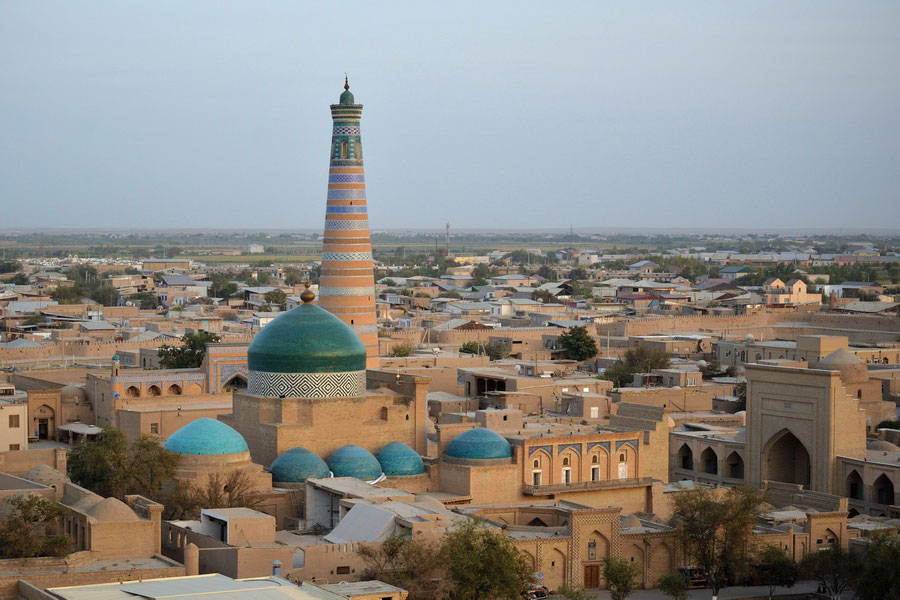
At the 11th session of the Islamic Conference of Tourism Ministers of the Organization of Islamic Cooperation (OIC), hosted by the Azerbaijani capital, Baku, on June 27-29, the Uzbek city of Khiva was chosen as the OIC City of Tourism for 2024.
Uzbek media reports, citing the country’s Ministry of Tourism and Cultural Heritage, says the members of the OIC recognized the reforms conducted in the country’s tourism sector, namely the simplification of the visa regime, preservation of cultural heritage, and landscaping of historical cities, as the key factors for victory.
“Khiva is planning to organize and host high-level meetings of the OIC ministers of tourism and heads of tourism administrations, scientific and research conferences, workshops, photo exhibitions, art expositions which will help unleash the potential of pilgrimage tourism,» head of the Uzbek delegation, Deputy Prime Minister – Minister of Tourism and Cultural Heritage of Uzbekistan Aziz Abduhakimov said.
Five cities reportedly vied for the title of the Islamic world’s tourism capital. They are Abu Dhabi (UAE), Şanlıurfa (Turkiye), Lagos (Nigeria), Dushanbe (Tajikistan), and Khiva (Uzbekistan). The Turkish city of Şanlıurfa became the OIC City of Tourism for 2023.
Khiva is a district-level city of approximately 93,000 people in Uzbekistan’s Khorazm region. According to archaeological data, the city was established around 1500 years ago. It is the former capital of Khwarezmia, the Khanate of Khiva, and the Khorezm People's Soviet Republic. Itchan Kala in Khiva was the first site in Uzbekistan to be inscribed in the World Heritage List (1991).
In the early part of its history, the inhabitants of the area came from Iranian stock and spoke an Eastern Iranian language called Khwarezmian. Turks replaced the Iranian ruling-class in the 10th century A.D., and the region gradually turned into an area with a majority of Turkic speakers.