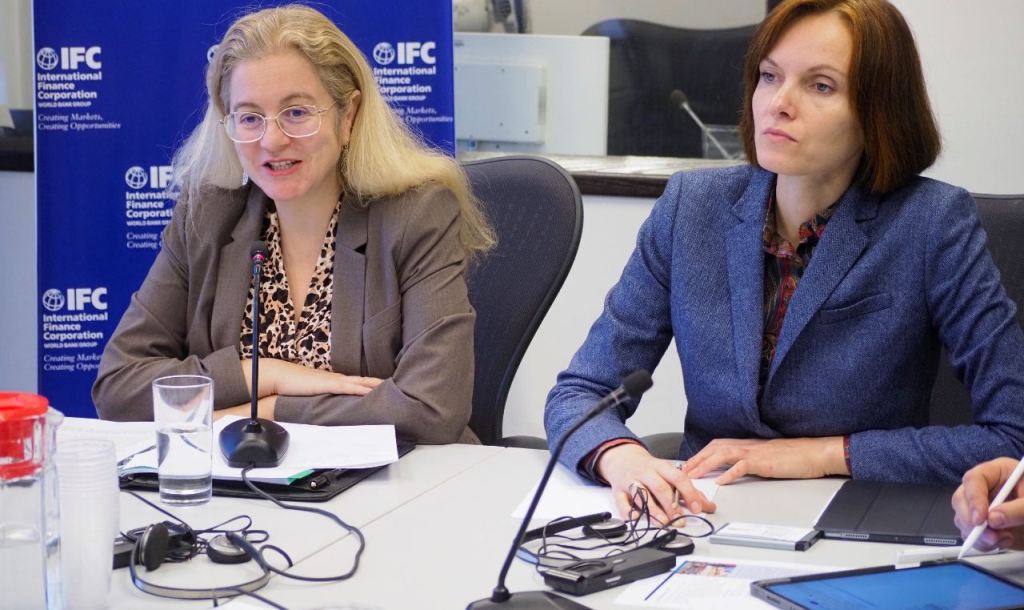
On November 7, during the visit of Hela Cheikhrouhou, IFC's regional Vice President, discussions were held with entrepreneurs from the most priority industries for the country, according to press release issued by IFC. Companies from the textile, agriculture, and fintech sectors reportedly took part in the round tables.
Ms. Hela Cheikhrouhou, IFC's regional Vice President for the Middle East, Central Asia, Turkiye, Afghanistan, and Pakistan, is visiting Tajikistan during November 6-9. During this visit, meetings were organized with high-ranking government officials, development partners, as well as representatives of the private sector. The goal is to expand IFC's activities in the country and attract additional investment in key sectors of the economy.
Engagement with the private sector included holding a series of roundtables with entrepreneurs from textiles, agriculture, and fintech industries. Discussions were held in the format of an informal constructive dialogue – entrepreneurs shared the features of their industries, as well as their intentions to expand. Within the framework of the discussions, a free exchange of views took place, which allowed entrepreneurs to openly discuss current problems and opportunities.
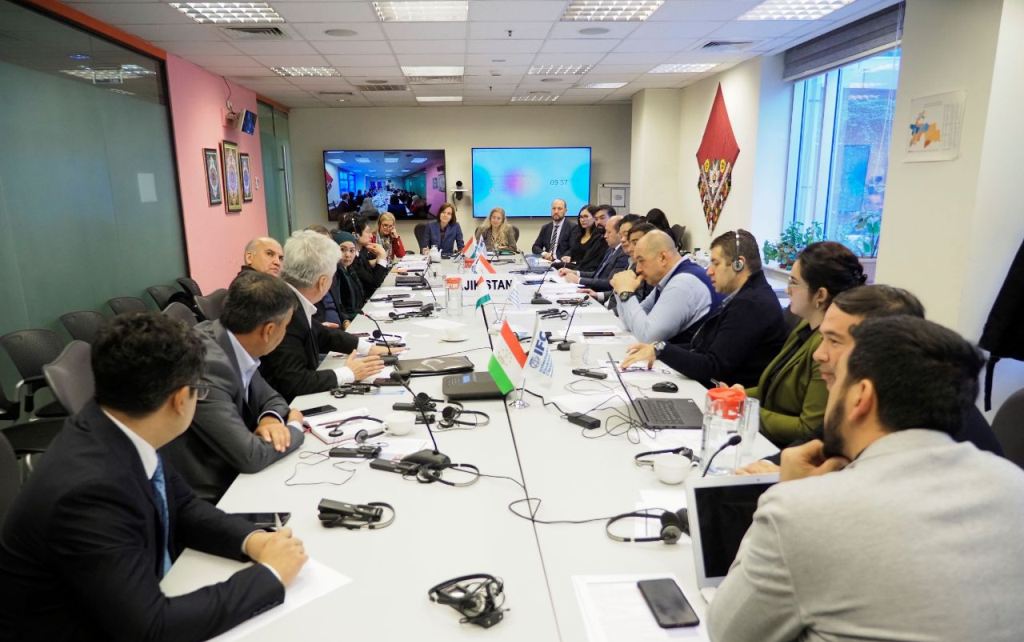
The discussion included the identification of the main directions for the export of national products. The roundtable participants noted that to develop the sector, it is necessary to provide companies with access to finance, help introduce advanced technologies and equipment, and help resolve issues related to the lack of qualified workers. IFC is committed to continuing to work with local businesses to promote their performance in line with sustainable development standards — which will ultimately enable them to thrive both internally and externally.
New opportunities for agribusiness were discussed at a round table with representatives of agricultural enterprises. Producers of dried fruits, nuts, watermelons, and other food products took part at the event. “It is important to identify new opportunities to further develop the industry, invest in post-harvest processing and increase price stability through better storage,” noted the participants of the event. About 22% of Tajikistan's GDP reportedly comes from agriculture and about 50% of the population is involved in this sector. That's why helping agribusiness is one of IFC's objectives, from improving the effectiveness of marketing opportunities to adopting climate-smart farming practices.
In addition, Ms. Cheikhrouhou took part in a roundtable discussion on the development of fintech and related startups. IFC has been supporting fintech companies that focus on technological innovation in financial services for over a decade, with more than US$600 million invested in fintech startups worldwide. The digitalization of financial services, accelerated by the COVID-19 pandemic, is changing the landscape of the financial sector, making it more inclusive. In this regard, IFC is focusing on encouraging beneficial innovation and competition in fintech. For local companies, IFC is ready to consider the possibility of investing, as well as providing a channel of communication with the state.
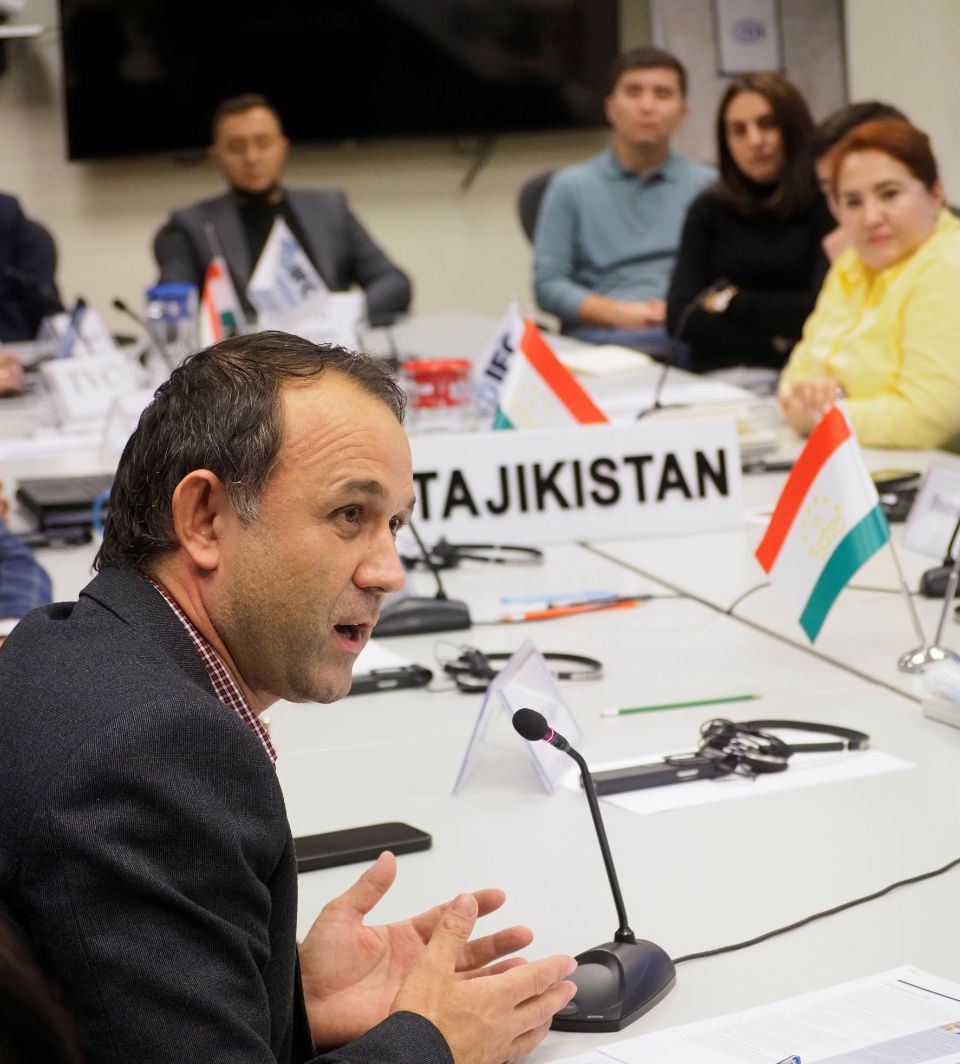
These meetings are aimed at promoting the development of the private sector and helping enterprises to solve a number of economic problems, including the consequences of the COVID-19 pandemic. IFC intends to work on attracting additional investment in key sectors of the Tajik economy, thus helping to increase the export of goods. Communication with local entrepreneurs allows identifying the most priority areas of IFC activities in Tajikistan.