OSCE criticizes Kazakhstan’s early presidential election for lack of competitiveness

The 20 November early presidential election in Kazakhstan took place in a political environment lacking competitiveness and, while efficiently prepared, the election underlined the need for further reforms to bring related legislation and its implementation in line with OSCE commitments to ensure genuine pluralism, observers from the OSCE Office for Democratic Institutions and Human Rights […]

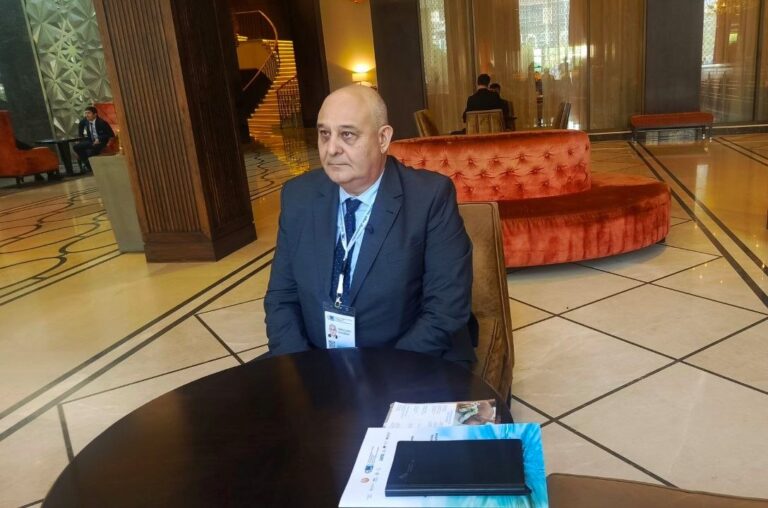
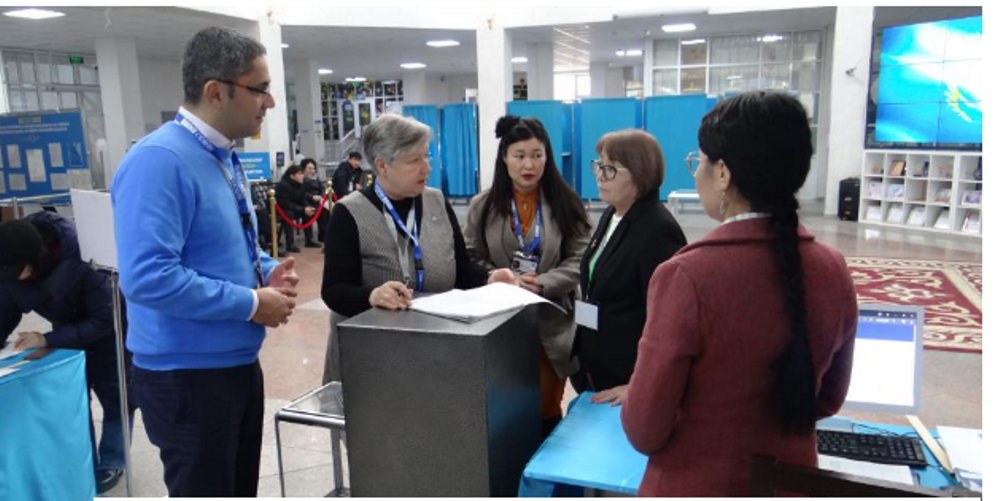
The 20 November early presidential election in Kazakhstan took place in a political environment lacking competitiveness and, while efficiently prepared, the election underlined the need for further reforms to bring related legislation and its implementation in line with OSCE commitments to ensure genuine pluralism, observers from the OSCE Office for Democratic Institutions and Human Rights (ODIHR) said in a statement released on November 21.

The incumbent stood as the joint candidate of all parliamentary parties and, in effect, was not meaningfully challenged in a low-key campaign, according to the statement.  The ability of citizens to participate fully in political life reportedly remains significantly constrained, including by limitations on fundamental freedoms, the observers said.

The statement notes that the election administration provided extensive voter information in the media, but scarce campaign coverage by the media and the virtual absence of analytical reporting, including online, limited voters’ ability to make an informed choice. 

Independent candidates are reportedly not allowed to run for president, the statement says.

Guaranteed by the Constitution, freedom of speech and access to information are reportedly limited by the restrictive legal framework and its uneven implementation. 

The Constitution, the Election Law and other election-related legislation have been revised several times. Of the latest reforms, only the change to a single, seven-year term in office for the president applied to this election, and previous ODIHR recommendations remain unaddressed, and the legal framework is not fully consistent with international standards and OSCE commitments for democratic elections, the statement notes. 
Join us on social media!

Article translations:

Related Article

Tenisi
Оби зулол
Оби зулол

Most Read

Коммерсбонк Точикистон

Recent Articles

RZD announces the restoration of passenger services between Moscow and Dushanbe

Direct rail services between the capitals of Russia and Tajikistan were suspended in March 2020 due to the COVID-19 pandemic.

#AP30/Stories. “Selam! Heller nichek?” How Tatars live today in Sughd province

On the 30th anniversary of "Asia-Plus," we continue to publish reports that remain relevant even after years. This story was told in 2021, and since then, little has changed in the life of the Tatar community in Tajikistan.

15,000 cameras, drones, and robots: how technology monitors pilgrims in Mecca and Medina

During Hajj 2026, Mecca and Medina were under unprecedented digital control.

Another child in Dushanbe removed from family and sent to boarding school

The Ministry of Internal Affairs reports that the parents did not pay adequate attention to the child.

Emomali Rahmon instructs to address issues in seed production following criticism of the industry

Issues have been noted with certification, seed quality, and the material and technical base of the industry.

Water, climate, and a $130 billion deficit: seven key outcomes of the Water Conference in Dushanbe

At the forum, countries and international organizations discussed new mechanisms for cooperation, investments, and technologies that are essential for addressing the global water crisis.

Eskhata Bank introduces a new generation children’s wallet

"Eshkata Bank" has created a full-fledged digital platform that helps children aged 7 to 16 learn how to manage money.