On August 21, 2022, Tajik doctors traveled to the Republic of Korea to participate in the "Educational Program on Advanced Health Management and Burn Treatment System ('20-'22)". On May 12 this year, at a seminar at Rumi Hotel, they spoke about the experience they gained there and the results they achieved in the burn treatment.
The trip was organized by the Representative Office of the Korea International Cooperation Agency (KOICA) in Tajikistan and the Embassy of the Republic of Korea as part of the CIAT scholarship program. The training took place at the Bestian Hospital in Seoul from August 22 to September 1, 2022.
CIAT is a cooperation program in which politicians, government officials and experts from developing countries are invited to Korea for technical training and knowledge sharing.
The group of doctors consisted of 18 specialists from the Ministry of Health and Social Protection of the Population of Tajikistan in the field of burn diseases and plastic surgery from all over Tajikistan. Through the program, they gained knowledge of innovative burn treatment methods, as well as learned about the modern technologies of South Korea. Some of them have already been implemented, some are only going to be put into practice.
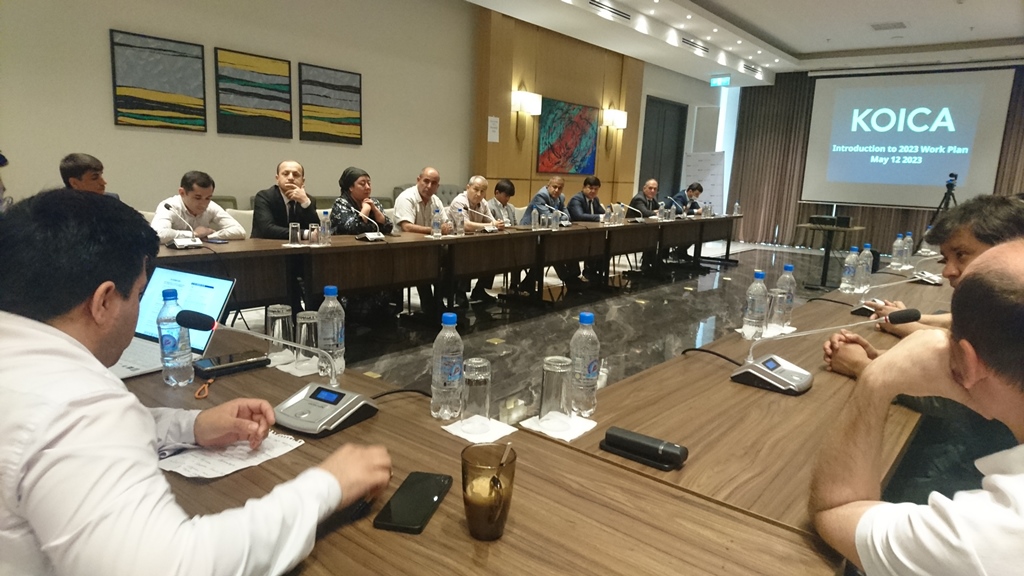
Some participants spoke about this in more detail during the seminar.
Thus, according to Asadullo Sharopov, the Leading Specialist of the International Cooperation Department of the Ministry of Health of Tajikistan, 80% of primary health care facilities (PHC) in the country have been repaired, another 89% have been provided with the necessary equipment.
“Funding of primary health care has increased over 10 years from 15.9% in 1998 to 39% in 2022. 5,000 doctors and 10,000 mid-level health workers have been trained in family medicine in Tajikistan. 110 clinical protocols have been developed and approved. The scope of emergency medical care has also been improved,” he concluded.
Among other things, there have been reforms in the health sector, including in the national strategy of Tajikistan.
What new treatments are already being used?
One of the participants in the CIAT program is a specialist from the Republican Scientific Center for Cardiovascular Surgery in Dushanbe. On the basis of the Center there is a department of reconstructive and plastic microsurgery, where from 200 to 300 emergency reconstructive plastic surgeries and from 80 to 900 elective surgeries are performed annually.
“At the moment, as part of the training from KOICA, we have successfully eliminated defects in the eye sockets, performed reconstructive rhinoplasty, elimination of hypospadias (malformation of the genitourinary system in children) and a number of other operations,” the specialist noted.
Also, according to him, they attended trainings and seminars, listened to lectures on the consequences of reconstructive surgery burns from leading Korean specialists. As a result, all participants received certificates.
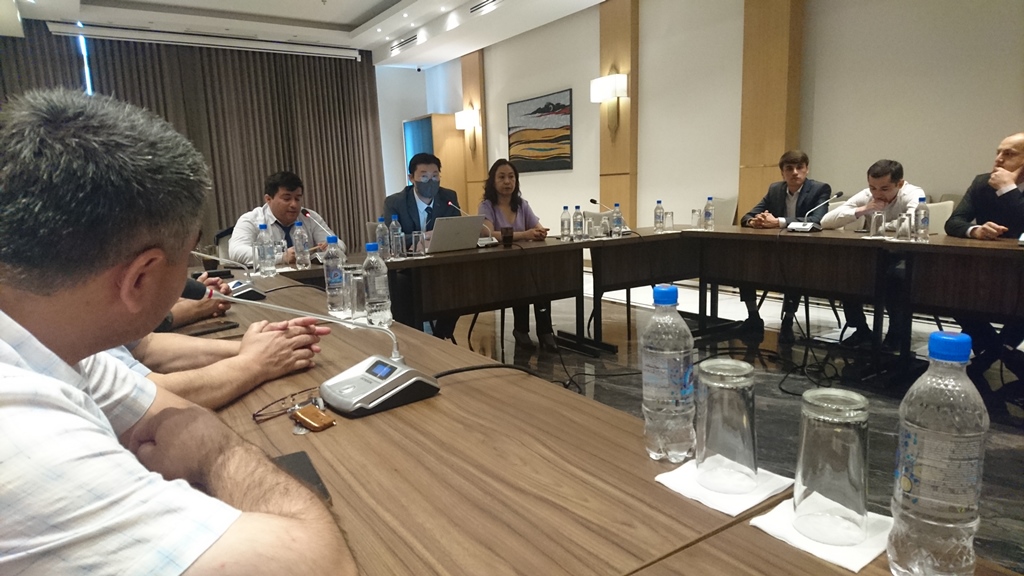
And some of the methods that specialists learned about during the training have already been put into practice.
“One of our cases was an extensive defect in the patient's foot after an injury. In such cases, there are 2 options: amputation of the limb, or, roughly speaking, replacement with another defect. Professor Moon recommended free skin plastic surgery to us. There is a compression material for such operations in Korea, but not yet in Tajikistan, so we created it ourselves and performed the operation. The patient was satisfied with the results of our work. If in the future the clinic "Bestian" provides us with this material, the results will increase.
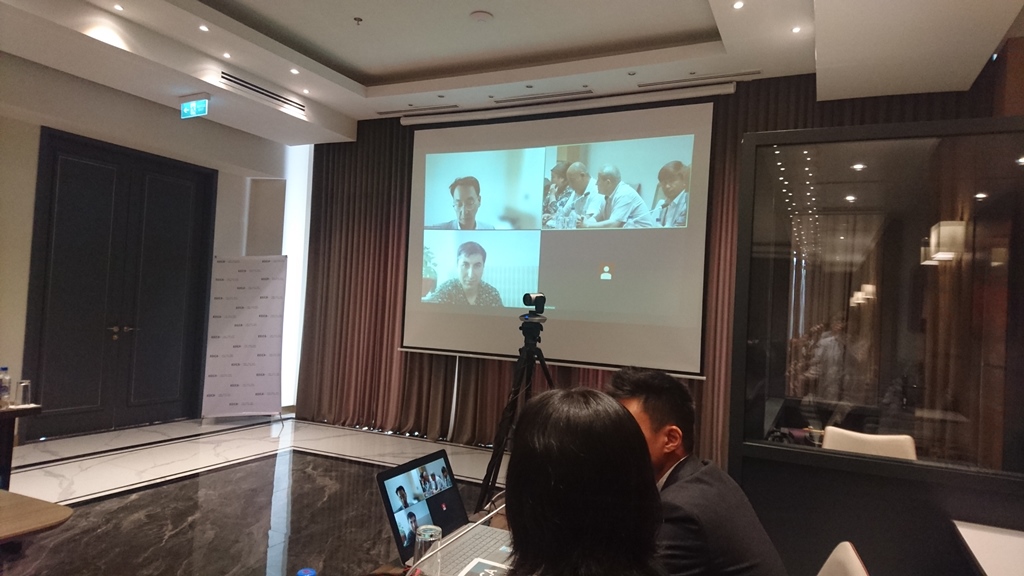
Another patient of ours received a serious injury, healing did not start in any way. Previously, in such cases, it was recommended to amputate the limb and install a prosthesis. But instead, we transferred the patient to our clinic, where, thanks to the knowledge gained, we performed a two-stage operation. The treatment was very long, but the patient saved the limb,” said an employee of the Republican Scientific Center for Cardiovascular Surgery.
What needs to be improved?
At the seminar, the participants of the program shared their opinion about what is lacking in specialists, departments, hospitals that treat burns in Tajikistan.
The list includes: lack of beds, modern technologies, qualified personnel, modern equipment, etc.
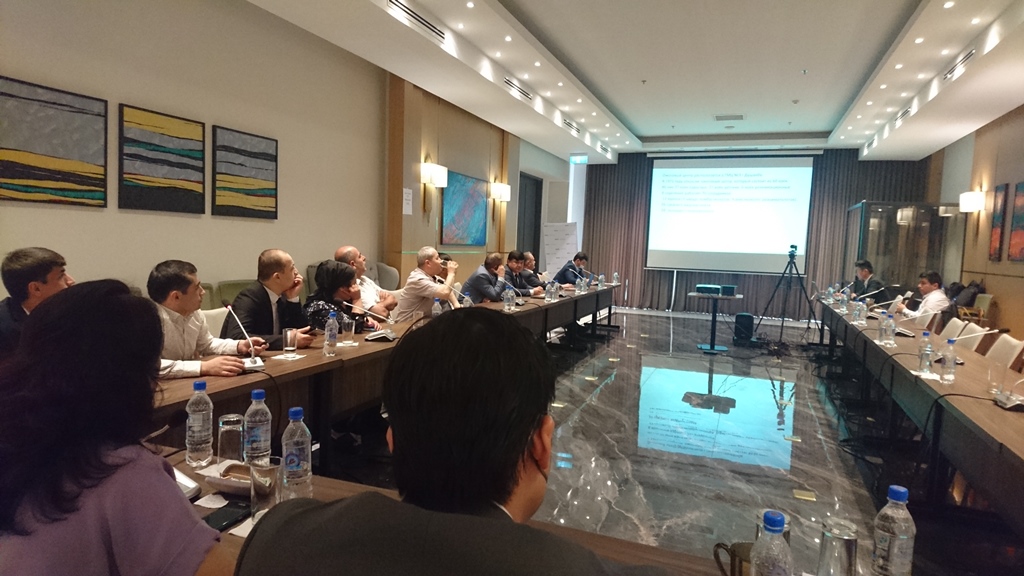
Participants also made a number of suggestions to improve their work. Among them: improving the skills of employees, conducting demonstration operations and briefings from qualified Korean specialists, replacing equipment in burn treatment facilities with more modern equipment, as well as strengthening the electronic patient registration system. As tasks were identified: the gradual expansion of departments at the expense of central and state administration, the development of cooperation between the Ministry of Health of the Republic of Tajikistan with other international partners to provide modern technologies, consumables and retraining of specialists.