The European Union develops plan of using frozen Russian assets to help Ukraine

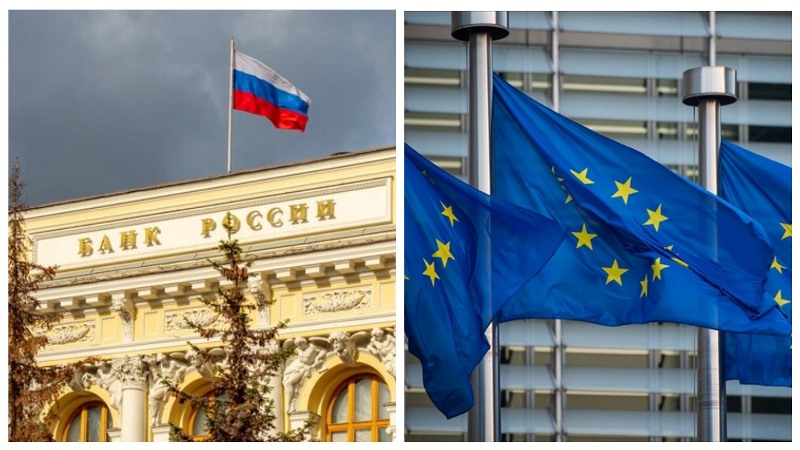
Media reports say the European Union has developed a plan to use profits generated from frozen Russian assets to help Ukraine. The Financial Times reported on December12 that the plan provides for setting aside profits generated from frozen Russian assets in the EU with the aim of eventually raising 15 billion euros (US$16.1 billion) to […]

Asia-Plus

Media reports say the European Union has developed a plan to use profits generated from frozen Russian assets to help Ukraine.

The Financial Times reported on December12 that the plan provides for setting aside profits generated from frozen Russian assets in the EU with the aim of eventually raising 15 billion euros (US$16.1 billion) to benefit Ukraine.  

The New York Times, citing an official involved in the process who was not authorized to speak about it publicly,  says the plan has the potential to provide Ukraine up to 3 billion euros ($3.25 billion) a year from 2023 to 2027.

The proposal still has a way to go before it can be implemented.  It must be approved by the European Parliament and all 27 member states, and is expected to face resistance from some countries.  According to the official, France, Germany and Italy expressed objections and Hungary has been blocking a separate financing mechanism for Kyiv, which the leaders are expected to discuss at a summit later this week.

Recall, the European Commission's plan had previously been delayed after several EU members and the European Central Bank raised legal and financial concerns about it.    
 

Join us on social media!

Article translations:

Related Article

Оби зулол
Оби зулол

Most Read

Акика Алиф

Recent Articles

In Tajikistan, the workforce has increased, but not everyone is employed

Statistics show a significant gap between men and women in the labor market.

Amin Qobilov and Marvori Nasriddinzoda become chess champions of Tajikistan

The national chess tournament, which brought together the strongest players, has concluded in Dushanbe.

How to tame snow avalanches: how many houses and roads in Tajikistan are at risk?

Large avalanches can occur on average once every 40 years, causing residents to eventually consider dangerous areas safe and build houses on them.

Emomali Nourali and Muhiddin Asadulloyev became No. 1: Tajik judokas in the world ranking

After the "Grand Slam" in Dushanbe, the IJF ranking was updated, recording a historic result.

Media: the US struck Iranian ports but denies resuming war

Iran's military opened fire on forces that attempted to attack a pier on Qeshm Island.

Uzbekistan implements digital residency registration system

It will be possible to process it online through Face-ID.