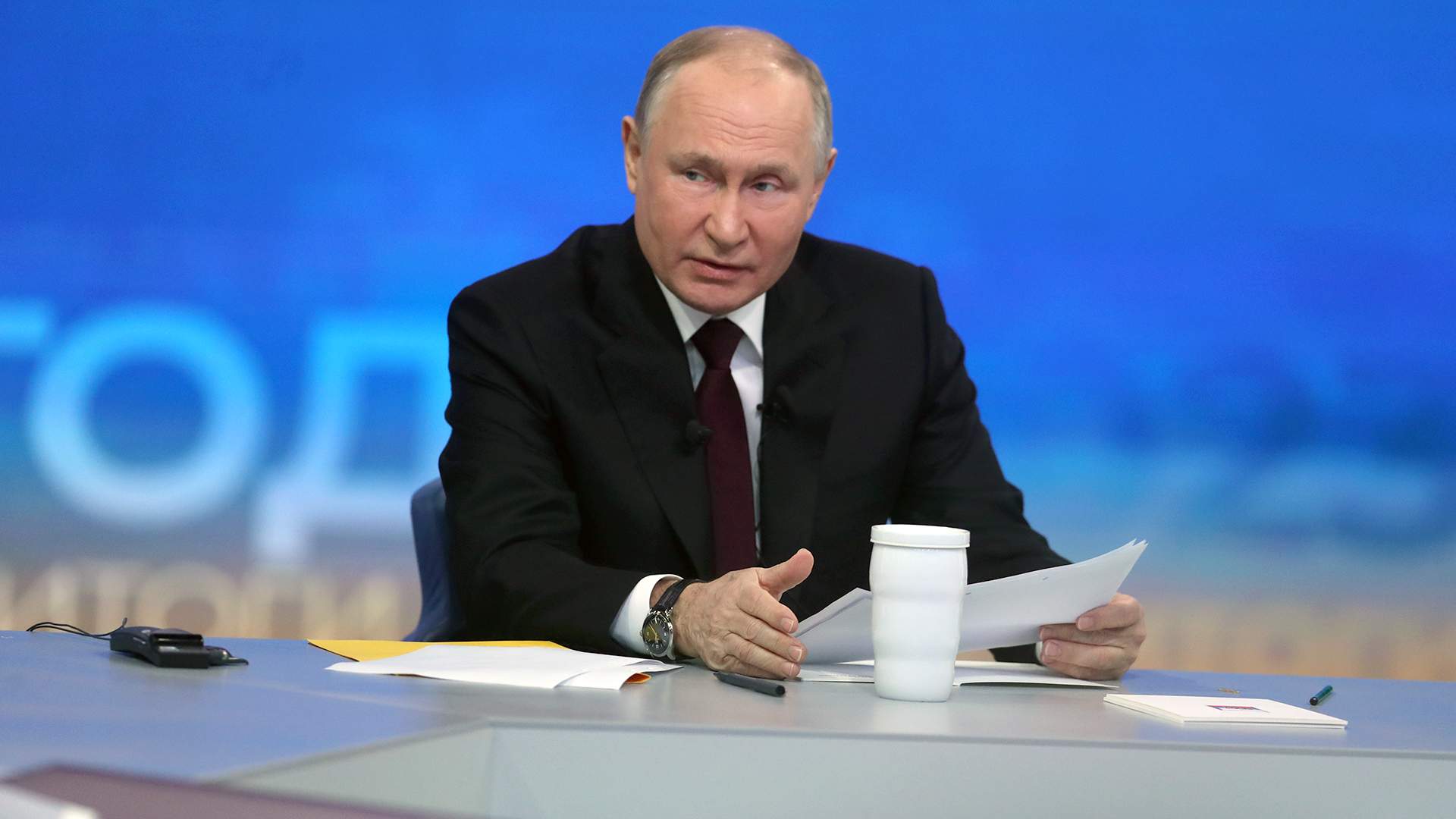
After a one-year hiatus, Russian President Vladimir Putin again held his marathon end-of-year press conference on December 14 that was broadcast live on state television.
Unlike Putin's previous year-end press conferences, there was no official accreditation procedure this time, and the Kremlin issued invitations only to selected journalists.
Citizens who get a chance to ask Putin a question tend to focus on domestic issues, with health care, the economy and infrastructure being common topics.
Russia media reports say more than one and a half million questions have been submitted.
Speaking at the press conference, the Russian president called for creating a special body that would deal with labor migration problems.
“We need a special body that would look at this problem in its entirety and would promptly find a solution to every aspect of this problem. It's a lot of work, but without a doubt we must be guided primarily by the interests of the local population – citizens of the Russian Federation,” Putin said.
According to him, it is necessary to start working with the countries where workers come from in advance.
“Russian-language schools and branches of our higher educational institutions and universities are opening there. They need and ask us to send our teachers, expand these programs, send textbook to them. But it is necessary that migrants respect the laws and traditions of the peoples of the Russian Federation. Authorities must monitor compliance with laws and promptly respond to violations,” the Russian leader noted.
At the same time, Putin noted that it is necessary to create humane conditions for arrivals.
Recall, President Vladimir Putin said on December 4 that immigrants who come to work and live in Russia must comply with its laws and respect its customs and traditions, including learning the language.
Putin reportedly addressed the issue at a meeting of the Council for the Development of Civil Society and Human Rights, traditionally held in early December.
“We need to attract such labor resources that meet the interests of the Russian economy,” said the Russian president. “This means that [these] people must be prepared from a linguistic, ethno-cultural point of view. They must know our traditions and so on.”
The interest of Russia and its citizens “must be put first,” the president insisted. All immigrants and visitors also “must comply with Russian laws,” Putin clarified. “And, of course, we, as a civilized country, must also ensure their rights.”
Russia is opening schools in several countries of the former Soviet Union – part of the Commonwealth of Independent States (CIS) to assist with Russian language instruction and cultural events, the president informed the council.
Moscow has withdrawn from several international human rights organizations because they have become “virtually controlled” by the West, demonstrating “political bias, hypocrisy, and open selectivity,” Putin said in his opening remarks.
Moscow is fully committed to the principles of the Universal Declaration of Human Rights and is “ready to cooperate with all interested countries and partners to find solutions to form an effective, fair, equal system for ensuring human rights for all,” Putin concluded.
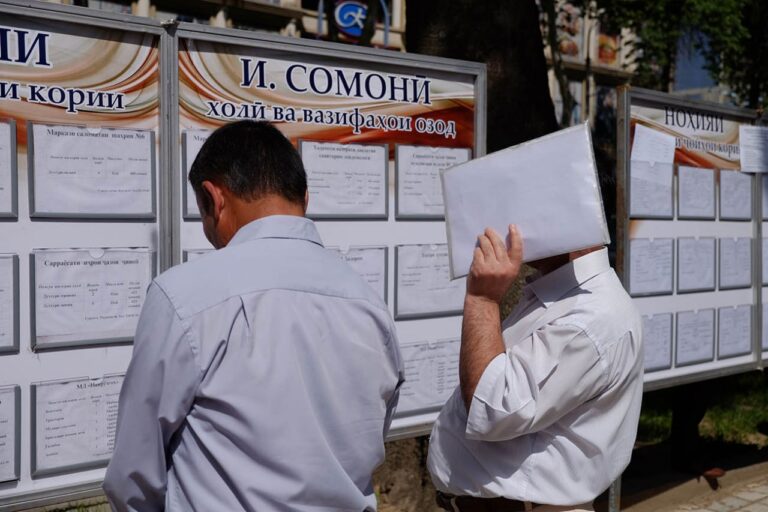
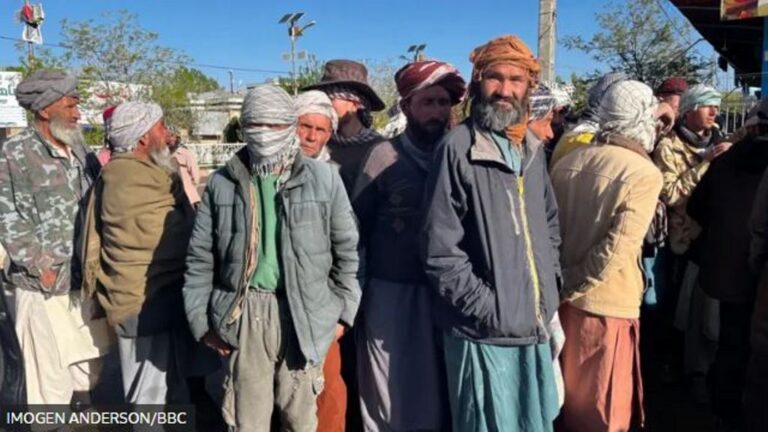
Labor migrants are still a critical component in the economy of Tajikistan, keeping many struggling families at home above the poverty line.
According to data from the Russian Interior Ministry, driven by a lack of economic opportunities in Tajikistan, more than 1 million Tajiks travel to Russia for work each year.
Meanwhile, some sources note that the worsening state of the Russian economy and sustained abuse from law enforcement there is pushing ever more expatriate laborers from Tajikistan to seek out alternative countries in which to find work.